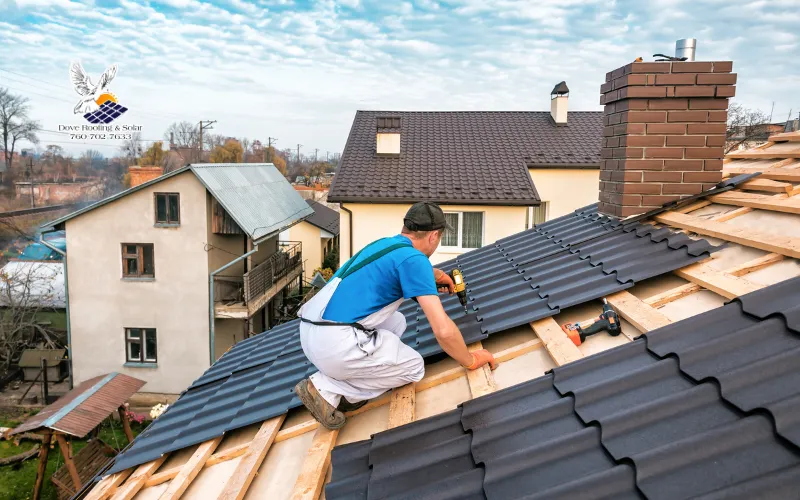
How Much Does Metal Roofing Cost in 2026? | Dove Roofing
Metal roofing in 2026 comes with a lot of noise. You’ll see one article calling it overpriced, another claiming it pays for itself overnight. Neither really tells the full story.
The truth is, metal roofing costs vary because the system itself isn’t simple. Material choice, roof shape, prep work, and long-term expectations all play a role. And right now, that matters more than it used to. Homeowners are staying put longer, energy costs aren’t going down, and nobody wants to replace a roof twice if they don’t have to.
At Dove Roofing, these conversations happen daily. Most people aren’t shocked by the numbers. They’re confused by why the numbers are so different. This guide breaks down real 2026 costs, explains what actually drives pricing, and helps you avoid the quiet mistakes that make projects more expensive than they should be.
Key Takeaways
Time savings: fewer repairs and fewer disruptions over the years
Cost efficiency: higher upfront cost, but lower ownership cost long-term
Performance: better handling of heat, wind, and moisture
Long-term value: many metal roofs last 40–70 years
Professional advantage: fewer problems when planning is done right
What Is Metal Roofing and What Does It Include?
Metal roofing isn’t just “metal on a roof.” It’s a system. Panels or metal tiles are designed to lock together, move with temperature changes, and move water away efficiently.
A complete scope usually includes:
Evaluating the roof and structure
Choosing the right profile and material
Moisture barriers and underlayment
Ventilation planning (often overlooked)
Panel or tile placement
Final detailing and inspection
Some projects focus only on placement. Others take a full-scope approach. The difference doesn’t always show right away—but it usually shows up later.
Metal Roofing Cost Breakdown in 2026
This is where most confusion starts. There isn’t a single “metal roofing price,” because every roof asks different things of the system.
What actually affects cost:
Material type
Steel and aluminum sit on the more accessible end. Zinc and specialty metal tile roof systems cost more, but they also tend to last longer.Roof complexity
Steeper pitches, valleys, skylights, and edges all add time and precision. That matters with metal.Preparation work
Removing old materials, fixing decking issues, or correcting ventilation often changes the final number more than homeowners expect.Finish and coating choices
Reflective or textured finishes raise upfront cost, but often improve energy performance over time.
Higher pricing usually isn’t random. It’s tied to durability, performance, and fewer future problems.
Industry Trends You Should Know About
More homeowners are stepping back and asking better questions. Not just “What’s cheapest?” but “What lasts?” and “What gives me fewer headaches?”
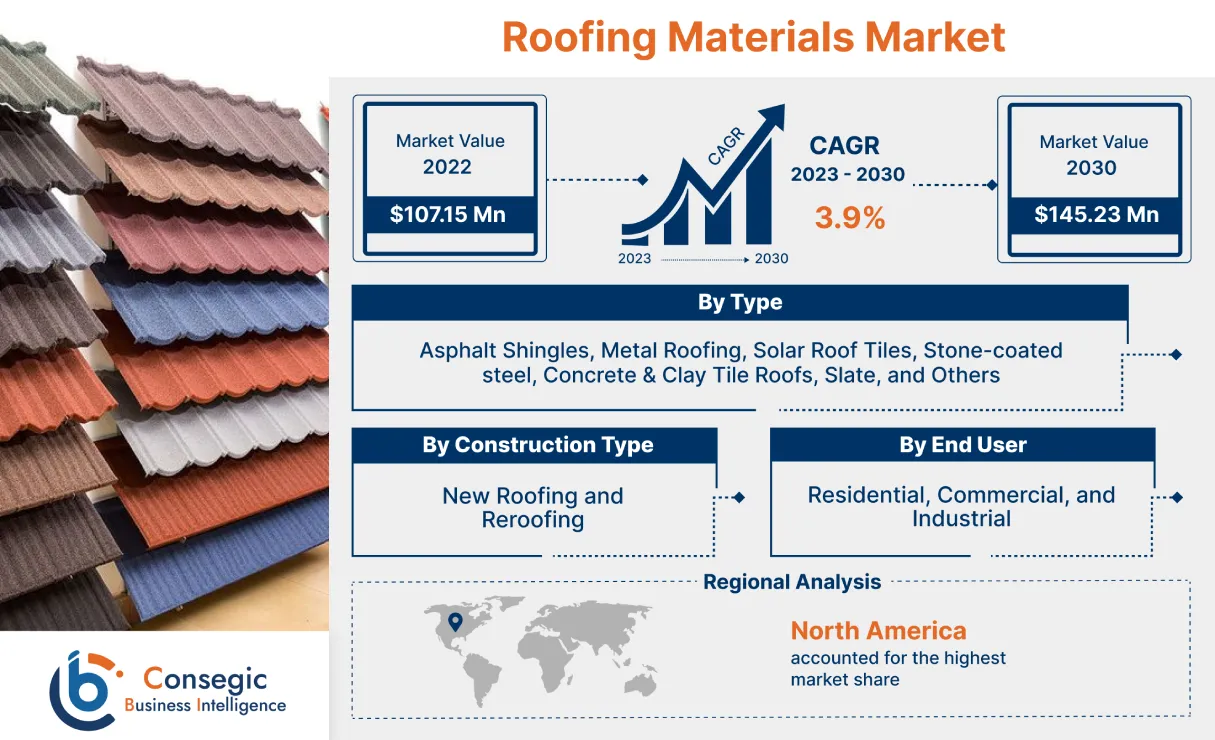
A few trends shaping 2026:
Growing interest in heat-reflective materials
More focus on lifecycle cost, not install price
Higher expectations around documentation and warranties
That shift explains why metal roofing isn’t a niche option anymore. It’s a serious consideration.
Benefits and Advantages of Metal Roofing
Saves Time (Later On)
Less patching, fewer replacements. That adds up.
More Consistent Performance
Metal handles temperature swings and moisture better when it’s planned correctly.
Fewer Surprises
Precision systems reduce the chance of early failure.
Strong Long-Term Results
Longevity often offsets the higher upfront investment.
Easier to Live With
Maintenance is predictable and usually minimal.

Why Planning and Strategy Matter First
Most metal roofing issues don’t start on the roof. They start before materials are even ordered.
Common problems we see:
No allowance for thermal movement
Poor airflow leading to condensation
Flashing details rushed or improvised
Once those issues exist, fixing them later is harder—and more expensive. Planning avoids that.
Tools, Materials, or Methods That Work in Real Life
Professionals stick with systems that perform, not shortcuts.
That usually means:
High-gauge steel or aluminum
Proven underlayment systems
Engineered fastening methods designed for movement
These choices affect lifespan, energy use, and maintenance far more than people realize at the start.
Tips to Avoid Costly Mistakes
Rushing into execution
Choosing based only on price
Ignoring reviews or past work
Moving forward without a clear written scope
Thinking short-term instead of long-term
Most budget problems come from early decisions, not surprises.
Metal Roofing vs Other Roofing Options (Quick Look)
Asphalt: lower upfront cost, shorter lifespan
Tile: durable, but heavier and structurally demanding
Metal: balanced option with long lifespan and lower weight
That balance is why many homeowners come back to metal after replacing other materials once already.
Read also: Homeowner’s Guide to Roof Replacement

Frequently Asked Questions
How much does metal roofing cost in 2026?
Pricing varies, but most homeowners balance higher upfront cost with long-term durability and fewer repairs.How long does a metal roof last?
When planned properly, metal roofing often lasts 40 to 70 years.Is it better to combine upgrades at the same time?
Yes. Handling ventilation or insulation together usually prevents future issues.Do professionals handle permits and setup?
Experienced teams typically manage documentation, compliance, and inspections.Why do homeowners compare metal roofing companies in my area?
Local experience matters. Climate and building standards aren’t the same everywhere.
Conclusion
Metal roofing in 2026 isn’t really about chasing the lowest number. It’s about predictability. When you look at cost over decades—not just the first invoice—the value becomes easier to see. Fewer repairs. Fewer replacements. Less second-guessing.
How Dove Roofing Helps You Succeed
Dove Roofing focuses on planning-first decisions, clear expectations, and long-term results. If you want real answers instead of generic averages, you can call (760) 702-7633 or request a consultation through the website.
