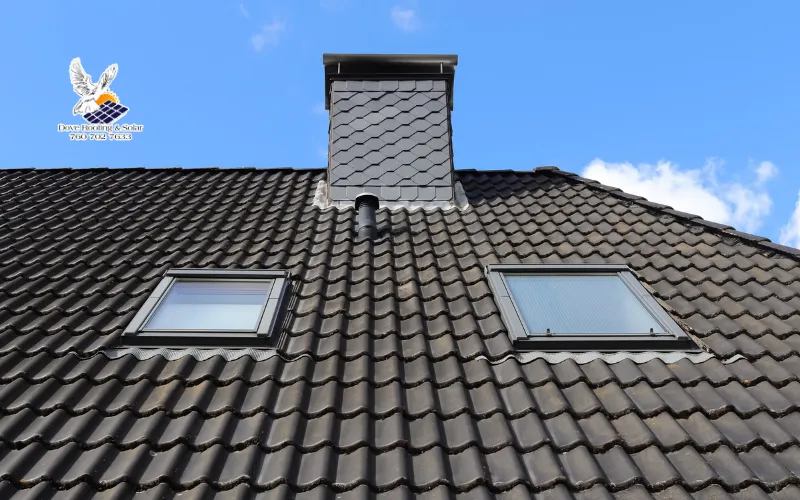
How to Install a Roof Window — Step-by-Step Guide | Dove Roofing
Installing a roof window sounds simple on paper. Cut an opening. Set the window. Seal it up. Done. In reality, that’s where most problems begin.
Homeowners usually hesitate because they’re worried about leaks, roof damage, or spending money on something that causes more trouble than it’s worth. And honestly, those concerns make sense. A roof window isn’t just a visual upgrade—it directly affects your roof system.
When done correctly, installing a roof window brings in natural light, improves airflow, and makes rooms feel more open without compromising the roof. When done poorly, it can lead to slow leaks, insulation issues, and expensive repairs months later. At Dove Roofing, we’ve seen both outcomes. This guide walks you through the eight practical steps that make the difference, so your roof window installation starts—and finishes—the right way.
Key Takeaways
Saves time by avoiding mid-project surprises
Reduces long-term repair and maintenance costs
Improves indoor light, comfort, and ventilation
Protects roof structure and manufacturer warranties
Delivers better results when handled with experience
What Are Roof Window Installation Services?
Roof window installation services go far beyond cutting a hole and dropping in glass. A proper installation looks at how the window interacts with the entire roofing system.
This service usually includes evaluating the roof structure, choosing the right placement, preparing the opening, fitting the window, sealing it correctly, and finishing the interior. Each step matters. Skip one, and problems show up later.
There’s also a big difference between basic and full-service work. A basic approach might only focus on fitting the window itself. Full-service roof window installation includes planning, materials, compliance, and finishing—everything needed to make sure the window performs for years.
Professionals typically handle layout planning, material selection, flashing systems, permit requirements, and final water testing. That’s where experience really matters, especially with roof window fitting on pitched roofs.
Industry Trends You Should Know About
More homeowners are choosing roof windows to reduce reliance on artificial lighting and improve indoor airflow. Modern roof window designs are better insulated, more energy efficient, and paired with flashing systems that reduce failure points.

What’s changed is homeowner awareness. People are realizing that most roof window failures aren’t product issues—they’re installation issues. That’s why professional installation is becoming the norm. Quality, longevity, and warranty protection matter more than quick savings.
This shift toward durability explains why experienced installers are in higher demand than ever.
Benefits and Advantages of a Professional Approach
Saves time and reduces friction
Experienced teams follow a clear process, which keeps the project moving without delays or guesswork.
Improves consistency and performance
Correct placement and sealing improve both daylight spread and airflow.
Reduces errors and rework
Most leaks come from flashing mistakes. Professionals know how to avoid them.
Enhances long-term results
Proper materials protect shingles, underlayment, and roof framing over time.
Simplifies communication
One accountable team means fewer misunderstandings and cleaner timelines.
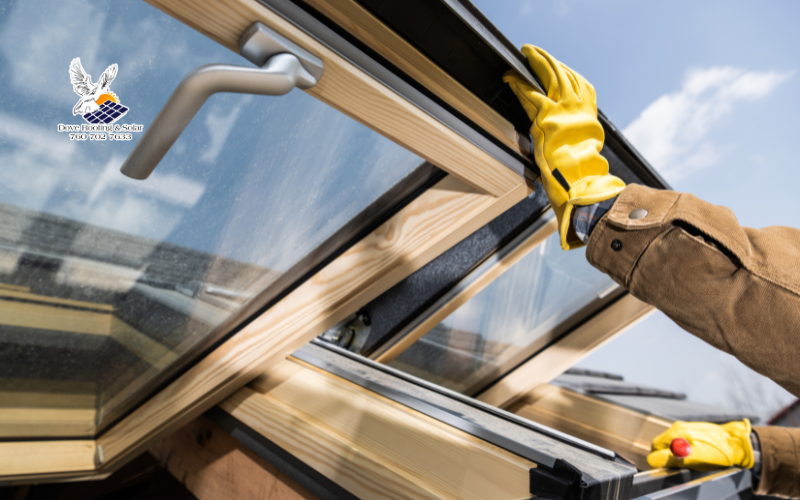
Why Planning and Strategy Matter First
The biggest mistake homeowners make is rushing into execution. Roof pitch, rafter spacing, and water flow all affect where a roof window should go. Even small miscalculations can cause problems down the road.
We’ve seen cases where roof windows were installed too close to valleys or edges. They looked fine at first. Months later, slow leaks appeared after repeated rain. That’s not bad luck—it’s poor planning.
A thoughtful strategy ensures the window integrates with the roof instead of fighting against it.
Tools, Materials, or Methods That Work in Real Life
Reliable roof window installation depends on the right materials. That includes window units rated for your roof pitch and climate, manufacturer-approved flashing kits, and proper waterproof underlayment around the opening.
Professionals rely on these systems because they reduce long-term risk. Cheap materials may save money upfront, but they almost always cost more later.
Good tools and methods don’t just make installation easier—they protect the roof for the long haul.
Tips to Avoid Costly Mistakes
Skipping layout and load planning
Choosing installers based only on price
Ignoring experience or verified reviews
Failing to document permits or warranties
Thinking short-term instead of long-term
These mistakes are common, and they’re expensive.
Read also: Local Roofing Services You Can Trust for Long-Lasting Protection

Frequently Asked Questions
How much does installing a roof window cost?
Costs depend on window type, roof pitch, and interior finishing needs.How long does roof window installation take?
Most projects are completed within one to two days.Is it better to combine roof window fitting with other services?
Yes. Combining services can reduce labor time and disruption.Do professionals handle permits and setup?
Licensed contractors typically manage permits and compliance.Why choose a local roofing provider?
Local teams understand climate demands and building codes.
Conclusion
Installing roof window can be a valuable upgrade, but only when the process is handled correctly. Proper planning, quality materials, and experienced installation protect your roof and your investment. When each step is done right, the result is brighter spaces, better airflow, and long-term peace of mind.
How Dove Roofing Helps You Succeed
Dove Roofing focuses on clear planning, honest guidance, and reliable execution. If you’re considering roof window installation or want professional help with roof window fitting, our team walks you through the process before any work begins. No pressure—just experience, transparency, and results you can trust. Call us today at (760) 702-7633.
