How Long Does a Roof Last by Material? | Dove Roofing
A roof in Southern California can last 15 to 70+ years, depending on the roofing material, installation quality, maintenance, ventilation, and exposure to heat. Asphalt shingles usually have the shortest lifespan, while tile and metal roofs often last longer when installed correctly.
By David Berumen, Owner, Dove Roofing and Construction· Last updated May 13, 2026
For homeowners comparing Roof Lifespan California estimates, the real question is not only age. It is whether the roof still protects the home from heat, wind, leaks, and weather damage.
Key Takeaways
Asphalt shingle roofs often last 15 to 30 years.
Tile roofs can last 50 years or longer.
Metal roofs can last 40 to 70 years.
Desert heat can shorten roof lifespan.
Regular inspections help delay full replacement.
How Long Does A Roof Last in California by Roofing Material?
How long a roof lasts depends mostly on the material, climate, and maintenance history. In California, roof lifespan can vary widely because coastal, inland, mountain, and desert homes all face different weather conditions.
Common roof lifespan ranges include:
Asphalt shingle roofing: 15 to 30 years
Architectural shingle roofing: 20 to 30 years
Concrete tile roofing: 50 years or longer
Clay tile roofing: 50 to 75 years
Metal roofing: 40 to 70 years
Spray foam roofing: 20 to 35 years with coating maintenance
Flat roof membranes: 15 to 30 years, depending on material
In hot areas such as Palm Desert, Rancho Mirage, La Quinta, Indian Wells, and Palm Springs, roof materials age faster when they are exposed to extreme UV rays and high surface temperatures.
A licensed roofing Southern California contractor can inspect the surface, underlayment, flashing, drainage, and ventilation to estimate how much life remains.
How Long Does An Asphalt Shingle Roof Last?
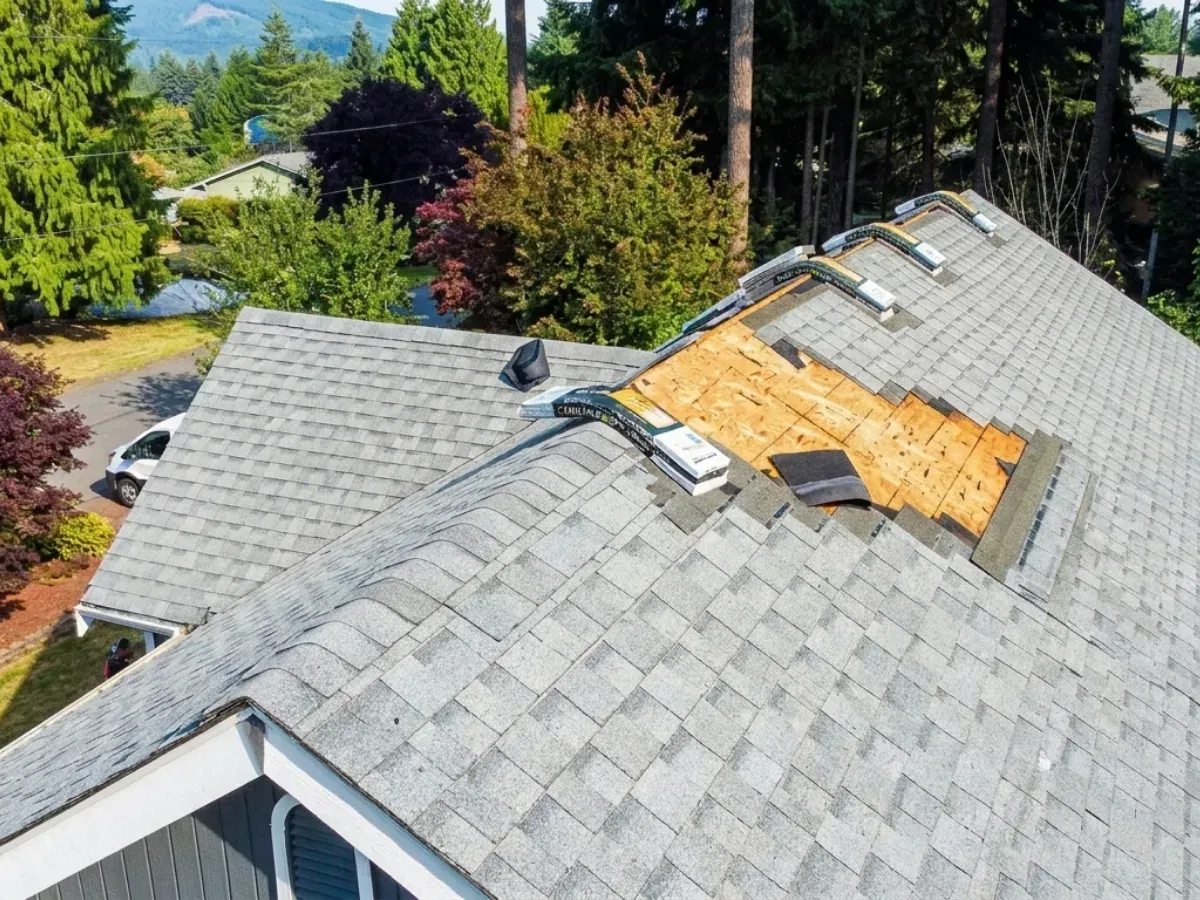
An asphalt shingle roof usually lasts 15 to 30 years in California, depending on shingle quality, attic ventilation, installation, and heat exposure. In hotter inland and desert climates, asphalt shingles may age faster than they would in cooler coastal areas.
Asphalt shingles may reach the end of life sooner when homeowners notice:
Curling shingle edges
Missing shingles
Cracked shingles
Heavy granule loss
Bald patches on the roof surface
Dark streaking or heat damage
Repeated leaks after wind or rain
Brittle shingles that break easily
Asphalt shingles are often chosen because they are more affordable than tile or metal. However, they may not last as long in areas with intense sun, high heat, and repeated thermal expansion.

How Long Does A Tile Roof Last In California?
A tile roof in California can last 50 years or longer, but the underlayment beneath the tile may need replacement sooner. Concrete and clay tiles are common in Southern California because they handle heat well and fit many Spanish, Mediterranean, and desert-style homes.
Tile roofing often lasts longer because:
Concrete and clay resist UV exposure well.
Tile does not decay like some lower-grade materials.
Tile performs well in hot, dry climates.
Individual broken tiles can often be replaced.
Tile adds strong curb appeal to California homes.
However, tile roofs still need inspections because the visible tiles are only part of the system. The underlayment, flashing, valleys, vents, and fasteners can wear out before the tiles themselves fail.
Common tile roof problems include:
Cracked tiles
Slipped tiles
Broken ridge caps
Worn underlayment
Leaks around penetrations
Debris buildup in valleys
Damage from foot traffic
For homeowners searching for Roofing Palm Desert CA, tile roof inspections are especially important because desert heat can dry out underlayment over time.
How Long Does A Metal Roof Last?
A metal roof can last 40 to 70 years when installed correctly with the right coatings, fasteners, flashing, and ventilation. Metal roofing is often chosen for durability, energy performance, and strong resistance to heat.
Metal roofs can be a strong option because they offer:
Long service life
Strong wind resistance when properly fastened
Good heat reflection with the right coating
Lower maintenance needs than some materials
Modern curb appeal
Strong performance in hot climates
Metal roofing still needs maintenance. Fasteners, seams, flashing, sealants, and coatings should be checked regularly, especially after high wind events.
In Southern California, metal roofing can be useful for homeowners who want a long-lasting system that can handle heat, sun exposure, and seasonal wind.
How Long Does Spray Foam Roofing Last?
Spray foam roofing can last 20 to 35 years when it is installed properly and maintained with protective coating. It is often used on low-slope and flat roofs, especially in hot desert climates where heat reduction matters.
Spray foam roofing can help with:
Heat reduction
Seamless waterproofing
Low-slope roof protection
Energy efficiency
Lightweight roof coverage
Added insulation value
Spray foam roofing needs coating maintenance because the foam must be protected from UV exposure. If the coating wears away, the roof can weaken faster.
This roofing system is often useful for Southern California homes with flat or low-slope designs, including many mid-century modern properties in desert communities.
How Long Does A Flat Roof Last?
A flat roof usually lasts 15 to 30 years, depending on the material, drainage, installation quality, and maintenance. Flat roofs require careful waterproofing because water does not run off as quickly as it does on steep-slope roofs.
Flat roof lifespan depends on:
Drainage design
Membrane type
Roof slope
Seam condition
Ponding water
UV exposure
Coating maintenance
Flashing around roof edges and penetrations
Flat and low-slope roofs are common in parts of Southern California. They can perform well when installed with the right waterproofing system, but they need regular inspections to catch drainage issues early.
How Does Southern California Heat Affect Roof Lifespan?
Southern California heat can shorten roof lifespan because UV rays, thermal expansion, and dry desert air weaken roofing materials over time. Roofing Coachella Valley CA faces some of the harshest roofing conditions in California because summer temperatures can exceed 110°F.
Heat can cause:
Asphalt shingles to crack or curl
Sealants to dry out
Underlayment to become brittle
Roof coatings to fade
Flashing areas to loosen
Flat roof surfaces to expand and contract
Dark roofing materials to absorb more heat
California Title 24 energy standards can also affect material choices for reroofing projects. Cool roof products may be required or recommended in certain climate zones because they help reduce heat absorption.
Homeowners in hot areas should choose roofing materials that match the local climate, not just the lowest upfront price.
How Do Santa Ana Winds Affect Roof Lifespan?
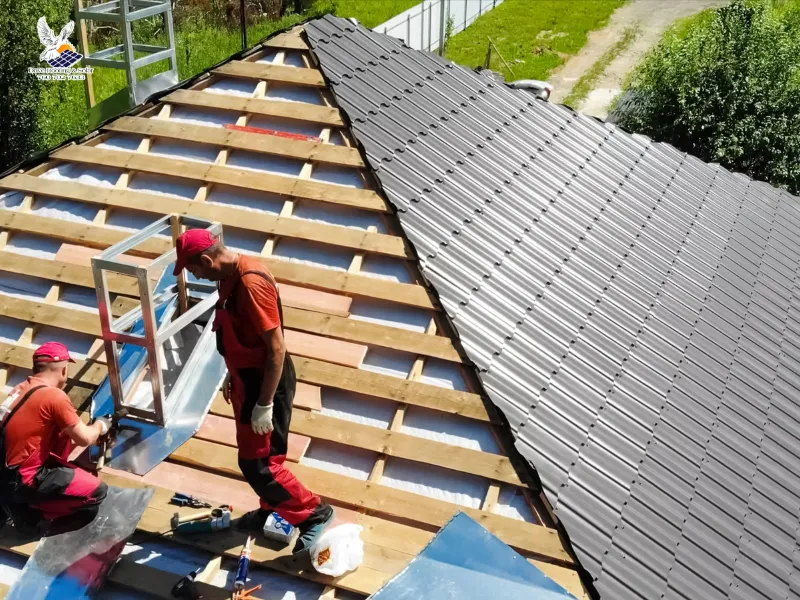
Santa Ana winds can reduce roof lifespan by lifting shingles, loosening tiles, damaging flashing, and exposing weak roof areas. Even a roof that looks stable from the ground may have wind damage after repeated high-wind events.
Wind damage may include:
Missing shingles
Lifted shingle tabs
Loose ridge caps
Slipped tiles
Exposed underlayment
Bent flashing
New leaks after wind events
Debris impact damage
After strong wind, homeowners should check for visible roof changes from the ground. A professional inspection is safer and more accurate than climbing onto the roof.
Dove Roofing and Construction provides free roof inspections for homeowners across Riverside and San Bernardino Counties.
Can Maintenance Extend Roof Lifespan?
Yes, regular maintenance can extend roof lifespan by catching small problems before they become major roof damage. In Southern California, maintenance is especially important because heat, wind, dust, and UV exposure can wear down roof systems faster.
Helpful maintenance steps include:
Inspecting the roof after major wind events
Replacing cracked or missing tiles
Repairing loose shingles
Checking skylight seals
Clearing debris from valleys
Cleaning flat roof drains
Checking flashing around vents and chimneys
Recoating spray foam roofs when needed
Scheduling a professional inspection before leak season
Maintenance cannot make a failing roof last forever. However, it can delay replacement when the roof structure is still sound and damage is limited.
When Is Roof Replacement Better Than Roof Repair?
Roof replacement is better than repair when damage is widespread, leaks keep returning, underlayment has failed, or the roof is near the end of its lifespan. Roof repair is usually better when damage is small, isolated, and not connected to a larger system failure.
Repair may be enough when:
Only a few shingles are missing
A small number of tiles are cracked
Flashing needs minor repair
One skylight is leaking
Damage is limited to one roof section
Replacement may be better when:
Leaks appear in multiple rooms
Underlayment is failing
Roof decking is soft or damaged
Shingles are curling across the roof
Tile underlayment is old and brittle
Repairs are becoming frequent
The roof is past its expected lifespan
A professional inspection helps homeowners decide whether repair or replacement is the more cost-effective choice.
Frequently Asked Questions
1. How Long Does An Asphalt Shingle Roof Last In California?
An asphalt shingle roof in California usually lasts 15 to 30 years, depending on product quality, installation, ventilation, and climate. In hotter inland and desert areas, asphalt shingles may wear faster because UV exposure and high roof temperatures can cause cracking, curling, and granule loss.
2. What Roof Type Lasts The Longest In Hot Climates?
Tile and metal roofs often last the longest in hot climates because they handle heat better than standard asphalt shingles. Concrete tile, clay tile, and coated metal roofing can perform well in Southern California when installed with proper underlayment, ventilation, flashing, and maintenance.
3. Does Heat Affect Roof Lifespan In Coachella Valley?
Yes, heat affects roof lifespan in the Coachella Valley because intense UV exposure, high roof temperatures, and thermal expansion weaken roofing materials over time. Roofs in Palm Desert, Rancho Mirage, La Quinta, Indian Wells, and Palm Springs often need heat-resistant materials and regular inspections.
4. How Often Should I Replace My Roof In Southern California?
Most Southern California homeowners should replace their roof every 15 to 70+ years, depending on the roofing material. Asphalt shingles may need replacement sooner, while tile and metal roofs can last much longer. The best timeline comes from a professional roof inspection.
5. What Are Signs That My Roof Is Reaching End Of Life?
Signs that a roof is reaching end of life include recurring leaks, cracked tiles, curled shingles, missing roofing materials, exposed underlayment, soft decking, sagging areas, heavy granule loss, and repeated repair needs. In hot climates, brittle materials and faded coatings can also signal aging.
6. Can Regular Maintenance Extend My Roof Lifespan?
Yes, regular maintenance can extend roof lifespan by preventing small roofing problems from spreading. Roof cleaning, tile replacement, shingle repair, skylight inspection, flashing checks, drainage maintenance, and spray foam recoating can help Southern California homeowners delay full roof replacement.
7. What Is The Average Roof Lifespan In Riverside County?
The average roof lifespan in Riverside County depends on material and climate exposure. Asphalt shingles may last 15 to 30 years, tile roofs can last 50 years or longer, and metal roofs may last 40 to 70 years. Desert heat can shorten poorly maintained roofs.
8. When Should I Consider Full Roof Replacement Vs. Repair?
You should consider full roof replacement when leaks are widespread, underlayment has failed, decking is damaged, or repair costs keep increasing. Roof repair may be enough when damage is small, isolated, and not connected to aging materials across the entire roof.
Dove Roofing and Construction provides free roof inspections and free estimates for homeowners who want to understand how much life is left in their roof. Call (760) 702-7633 to schedule a no-pressure inspection with a licensed California roofing contractor.
Dove Roofing and Construction is CA License #871103, fully insured with liability and workers’ compensation coverage, rated 4.5 stars on Google, and serving Riverside and San Bernardino Counties with transparent written estimates and no hidden fees.
