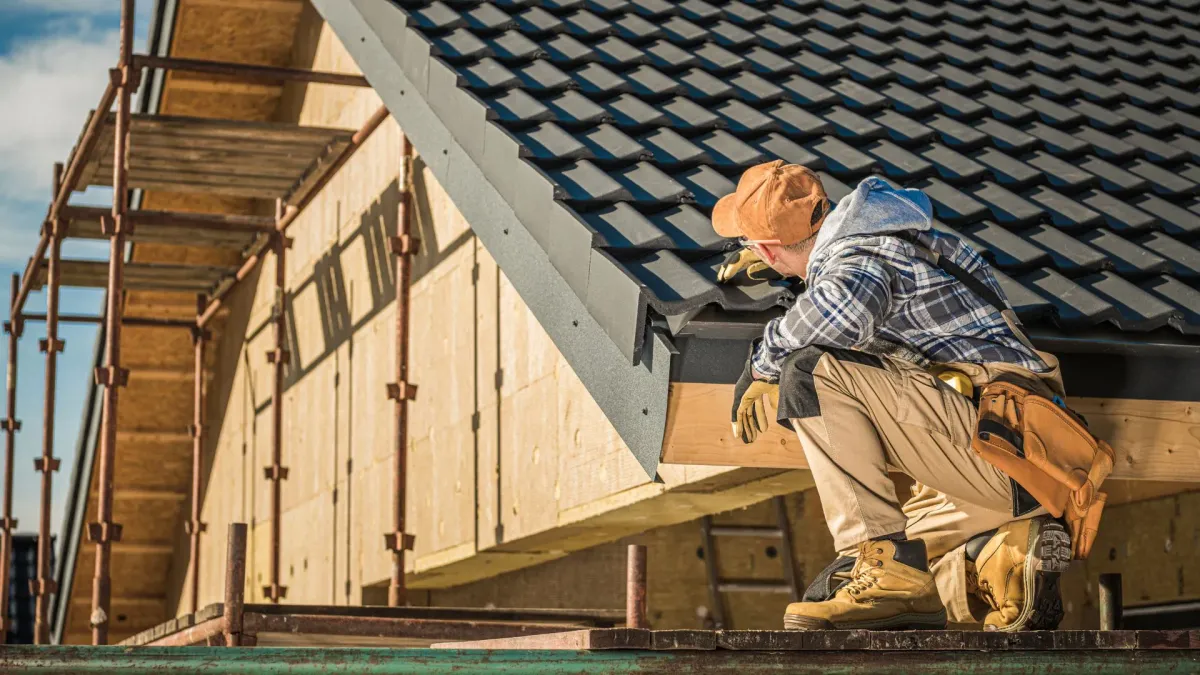
Do Roofers Work in Rancho Mirage Summer Heat?
Do Roofers Work in Rancho Mirage Summer Heat?
Yes, but the workday changes shape. Crews start at first light, do the heavy work before midday, and stop when the roof surface gets unsafe. That means a summer job runs across more calendar days than the same job in March — and a contractor who claims otherwise is either cutting corners or breaking California law.
By David Berumen, Owner · Last updated October 2026
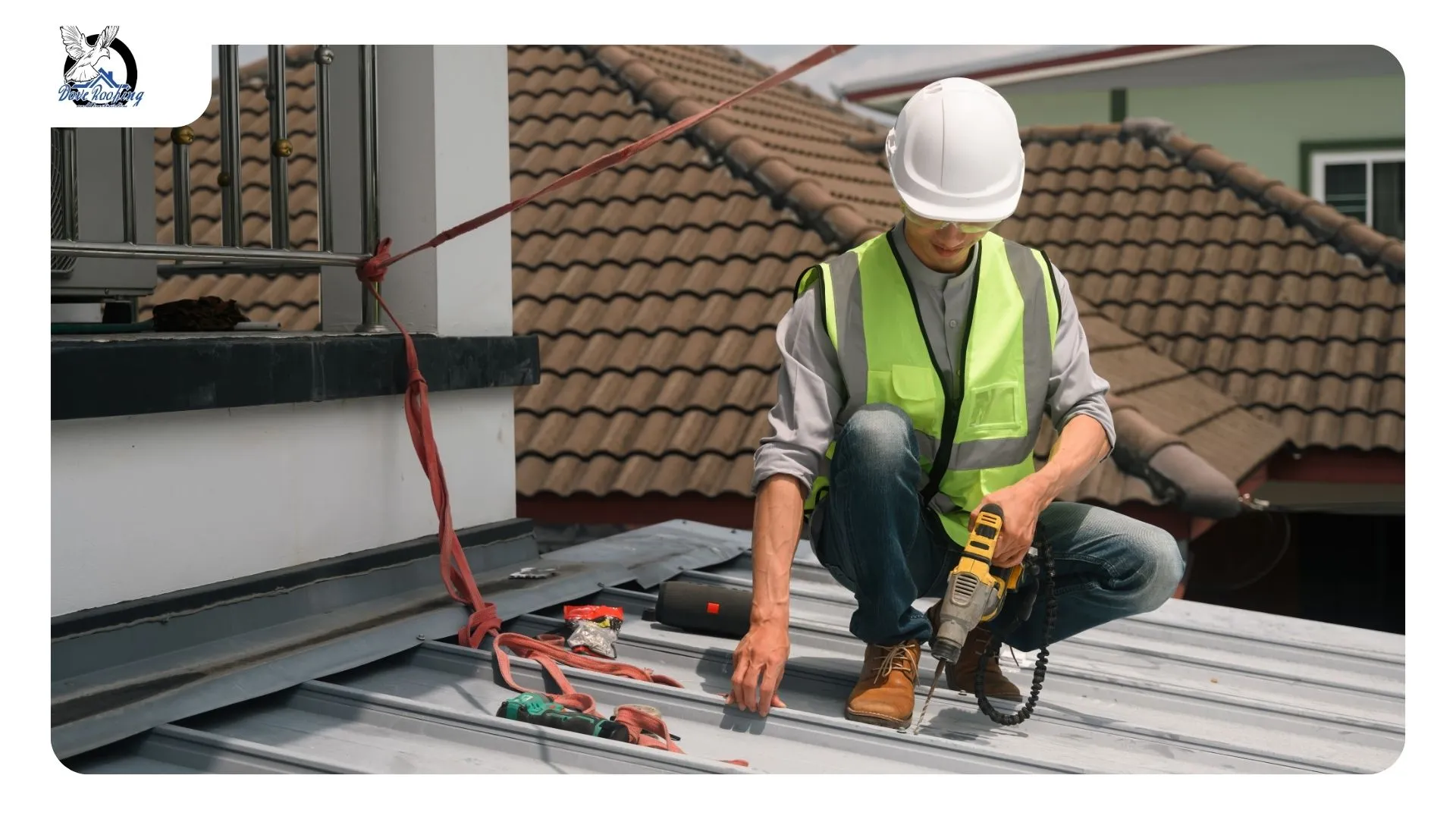
The summer day starts before sunrise
Air temperature is not the number that matters on a roof. A dark roof surface in Coachella Valley sun runs far hotter than the air around it, and crews are standing on it, kneeling on it, and handling materials that have been sitting in it.
So the summer schedule inverts. Crews arrive at first light, tear-off and the most physical work happen in the first hours, and the day winds down as the surface heats. Afternoons go to lighter tasks in shade or get skipped entirely.
Materials have limits too. Adhesives and sealants behave differently at extreme surface temperatures, shingle sealant strips can activate before they are positioned, and spray foam sprayed onto an overheated substrate sets up with poor cell structure. These are not preferences — they are manufacturer specifications, and ignoring them produces a roof that fails early.
What California law requires of any crew on your roof
This is the part most homeowners have never heard of, and it is worth knowing because it tells you something about who you are hiring.
California has the country's first workplace heat regulation for outdoor workers, Title 8, Section 3395, known as the Maria Isabel Vasquez Jimenez heat illness standard, which applies to all outdoor places of employment. Construction is explicitly covered.
What it requires:
Shade. Shade must be present whenever the temperature exceeds 80 degrees, maintained in one or more areas while employees are present. Below 80 degrees, shade has to be available on request.
High-heat procedures. Required once the temperature equals or exceeds 95 degrees. In Rancho Mirage that is most of the summer.
Cool drinking water, provided free and kept close to the work area.
A written Heat Illness Prevention Plan covering water, shade, rest periods, acclimatization for new crew members, high-heat procedures, training, and emergency response.
Acclimatization. New workers and crews during a heat wave need close observation — and a heat wave has a specific definition: a day where the predicted high is at least 80 degrees and at least ten degrees above the average high of the preceding five days.
Full detail is on Cal/OSHA's heat illness prevention page, at dir.ca.gov.
How to tell whether the crew on your roof follows it. Look for a shade canopy set up on site and water coolers that get refilled. Ask any contractor bidding your job for their written heat illness prevention plan — a legitimate operation has one and will hand it over.
This matters to you, not just to the crew. A contractor cutting safety corners on your property is a liability question, and heat-impaired workers make mistakes on roofs that you live under afterward.
What the heat does to your project timeline
Fewer productive hours per day means more days on the calendar for the same scope.
A job that takes two to four working days in spring can stretch across a longer window in July and August, not because less work gets done in total but because each day is shorter. Honest contractors tell you that up front. The ones who promise identical summer timelines are either planning to work crews through conditions they should not, or planning to blow the schedule and apologize later.
Three practical consequences:
Book shoulder seasons when you can. Spring and fall are the efficient windows in this valley. If your roof is not actively leaking, scheduling for October through May gets you a faster job.
Urgent work still happens in summer. An open roof does not wait for cooler weather. Emergency stabilization and repairs get done year round; it is full tear-offs and foam applications where the calendar matters most.
Expect an earlier start than you want. A 5:30 or 6:00 arrival is normal in summer. It is the trade-off that makes the work safe and the materials perform.
When weather stops the job partway through
Two things interrupt roofing here, and they are opposites.
Monsoon storms, roughly July through September. The rule that matters is that every section torn off gets dried in the same day — new underlayment down before anyone leaves. Your house is never left open overnight. If a storm moves in mid-job, work stops, the roof gets secured, and the crew returns when it is safe. That pause is the system working, not a delay to be annoyed about.
Wind through the pass. Gusts make handling large panels, tile, and underlayment dangerous, and they make spray application impossible without overspray landing on cars, pools, and neighboring property. Wind stops work more often than rain does in this valley.
What should happen on your job either way: the roof is left watertight at the end of every working day, materials are secured so they do not become projectiles, and you get told when the crew is returning. If a contractor leaves an open roof or loose material on your property ahead of weather, that is a serious failure, not bad luck. Our storm damage guidance covers what to do if weather causes damage rather than just delay.
Day one, days on site, and your property
Day one is permits already pulled, a walkthrough with you, protection going down, and then tear-off starting in sections. The deck gets inspected as the old roof comes off, and each torn-off area is dried in the same day.
Most single-family homes run two to four working days in moderate weather, longer in summer heat. Crews are gone by evening and the site is left secured.
Protection comes before anything is removed: pool surfaces and decking covered, rock and decomposed granite landscaping tarped since nails are far harder to recover from gravel than from grass, patio furniture moved, and dumpsters set on plywood rather than directly on pavers or concrete. Debris is hauled continuously here because of the wind. Crews clean up at the end of each working day, not just at the end of the job.
For the full sequence see what to expect during roof installation and our roof replacement service.
Roof contractors serving Rancho Mirage
We work across Rancho Mirage — the Highway 111 corridor, Bob Hope Drive, Frank Sinatra Drive, Country Club Drive, and Magnesia Falls Cove — in ZIP code 92270, and east into Indian Wells, plus Palm Desert, Cathedral City, and Palm Springs.
Dove Roofing and Construction has worked desert roofs for over 20 years and holds California contractor license #871103 (C-39 Roofing), verifiable through the CSLB license lookup. If you are not sure where your roof stands before committing to a project, start with a roof inspection. Completed desert work is in our project portfolio.
Frequently asked questions
What actually happens on day one of a roofing job?
Permits are already pulled and materials staged. The crew walks the property with you, puts down protection — pool covers, tarps over rock landscaping, plywood under the dumpster — then begins tearing off in sections. The deck is inspected as the old roof comes off, and every torn-off section gets new underlayment the same day so the house is never left open overnight.
How many days are crews on site for a typical home?
Two to four working days for most single-family homes in moderate weather, depending on size, pitch, how many existing layers come off, and what the decking looks like underneath. Summer jobs spread across more calendar days because each working day is shorter. Crews are off the property by evening with the site secured.
Do roofers work through valley summer heat?
Yes, with a restructured day. Crews start at first light, do the heavy work early, and stop when the roof surface becomes unsafe. California's outdoor heat standard requires shade above 80 degrees, high-heat procedures at 95 degrees and above, free cool water, and a written heat illness prevention plan. Material specifications also limit what can be installed at extreme surface temperatures.
How are the pool, patio and landscaping protected during the work?
Pool surfaces and decking get covered before any material comes off. Rock and decomposed granite yards are tarped first, since nails are far harder to recover from gravel than from grass. Patio furniture is moved, dumpsters sit on plywood rather than directly on pavers, and debris is hauled continuously because of valley wind. Crews clean up at the end of every working day.
What happens if weather interrupts the job partway through?
Work stops, the roof is secured watertight, loose materials are tied down, and the crew returns when conditions allow. Every torn-off section is dried in with new underlayment the same day, so an interruption does not leave your house exposed. Wind halts work in this valley more often than rain does, particularly for spray application and panel handling.
Visit or Call Us
Dove Roofing and Construction
Adress:P.O. Box 289 Palm Springs, CA 92263
Phone: (760) 702-7633
Hours: Mon–Sat 7am–7pm · Sun Closed
License: #871103 (C-39)
Serving Rancho Mirage and the Coachella Valley including Indian Wells, Palm Desert, Cathedral City, and Palm Springs.
