How to Choose the Right Roofing Materials for SoCal Homes
Tile, metal, spray foam, and cool-rated roofing materials are often the best roofing choices for Southern California homes because they handle heat, UV exposure, and dry weather better than basic asphalt shingles. In the Coachella Valley, homes also face summer temperatures above 110°F, thermal expansion, dust, and Santa Ana wind events.
For homeowners comparing Roofing Materials Desert Climate options, the best choice depends on roof slope, home style, energy goals, maintenance needs, and local building requirements.
Key Takeaways
Tile roofing performs well in hot desert climates.
Metal roofing can reflect heat with proper coatings.
Spray foam works well on low-slope roofs.
Cool roofs help reduce heat absorption.
Asphalt shingles may age faster in extreme heat.
Why Roofing Material Matters For Southern California Homes
Roofing material matters for Southern California homes because heat, UV exposure, wind, and energy-code rules affect roof performance. A roof in a desert climate must protect the home from heat gain, waterproofing issues, surface aging, and seasonal wind damage.
Main local roofing challenges include:
Extreme UV exposure during long sunny seasons
Summer temperatures that can exceed 110°F in desert areas
Thermal expansion and contraction of roofing materials
Santa Ana winds that can loosen shingles, tiles, and flashing
Dust and debris buildup on flat or low-slope roofs
High cooling demand during warm months
California Title 24 cool roof requirements on many reroofing projects
The right material should match both the home and the local climate. A roofing option that works near the coast may not always perform the same way in Palm Springs, Palm Desert, Rancho Mirage, La Quinta, or Indian Wells.
Tile Roofing For Southern California Homes
Tile roofing is one of the strongest options for Southern California homes because concrete and clay tile handle heat, sun, and dry weather well. Tile roofs are especially common across the Coachella Valley and Inland Empire because they fit many Spanish, Mediterranean, and desert-style homes.
Benefits of tile roofing include:
Strong heat resistance
Long service life when installed correctly
Good performance in dry climates
High curb appeal for California homes
Strong fit for Spanish and Mediterranean architecture
Individual tile replacement when damage is isolated
Better heat tolerance than many standard asphalt shingles
Tile roofing is not maintenance-free. The visible tiles may last a long time, but the underlayment beneath them can wear out earlier.
Common tile roof issues include:
Cracked tiles
Slipped tiles
Broken ridge caps
Worn underlayment
Leaks near vents or skylights
Debris buildup in valleys
Damage from walking on the roof
Tile is often a smart choice when the home has the right roof structure and the homeowner wants a durable desert-ready material.
Metal Roofing For Hot And Sunny Climates
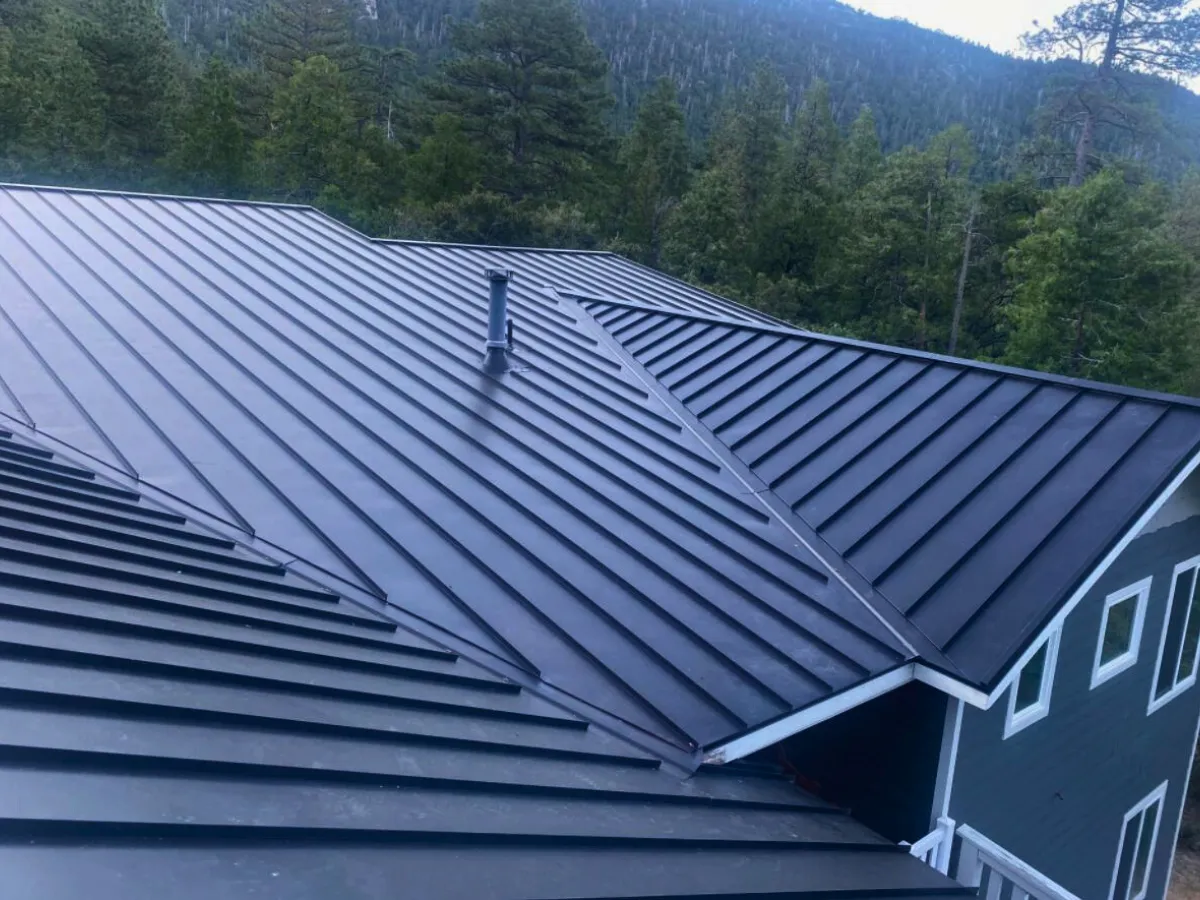
Metal roofing can work well for hot and sunny Southern California homes when it has the right coating, fastening system, and ventilation. Reflective metal roofing can reduce heat absorption and provide long-term durability.
Metal roofing benefits include:
Long service life
Strong heat resistance
Reflective coating options
Good wind performance when installed correctly
Modern design options
Lower maintenance than some materials
Strong resistance to cracking and drying
Metal roofing should be installed by a contractor who understands expansion, fastening, flashing, and roof slope. Poor installation can lead to noise, leaks, loose panels, or wind-related problems.
Metal may be a good fit for homeowners who want:
A long-lasting roof
A modern appearance
Better heat reflection
Strong wind resistance
Lower long-term maintenance
A roof that pairs well with solar planning
A licensed contractor should inspect the roof structure before recommending metal roofing.
Spray Foam Roofing For Low-Slope And Flat Roofs
Spray foam roofing is useful for low-slope and flat roofs because it creates a seamless insulated surface. This roofing system is especially practical in hot desert areas where heat reduction and waterproofing both matter.
Spray foam roofing can help with:
Heat reduction
Seamless waterproofing
Added insulation value
Low-slope roof protection
Reduced risk of leaks at seams
Lightweight coverage for certain roof designs
Better performance on flat or low-slope roof shapes
Spray foam is common on some Palm Springs-area homes because many mid-century modern properties have low-slope or flat roof designs. These roofs need different waterproofing solutions than steep-pitch homes.
Spray foam roofing does need coating maintenance. The protective coating helps shield the foam from UV exposure, and worn coating should be addressed before the foam surface breaks down.
Cool Roof Materials And Title 24 Requirements
Cool roof materials are designed to reflect more sunlight and absorb less heat than standard roofing products. In Southern California, cool roofing can support better indoor comfort and may help meet California Title 24 energy-code requirements.
Cool roof options may include:
Cool-rated asphalt shingles
Reflective tile products
Coated metal roofing
Spray foam with reflective coating
White or light-colored flat roof membranes
Reflective roof coatings for approved systems
Cool roof materials are measured by:
Solar reflectance
Thermal emittance
Solar Reflectance Index
Product rating and code compliance
Climate-zone suitability
California Title 24 energy standards include cool roof requirements for many new and replacement roofing projects. This matters in inland and desert areas where roof heat gain can increase cooling demand.
A roofing contractor should confirm whether cool roof requirements apply before helping homeowners choose materials.
Asphalt Shingles In Southern California
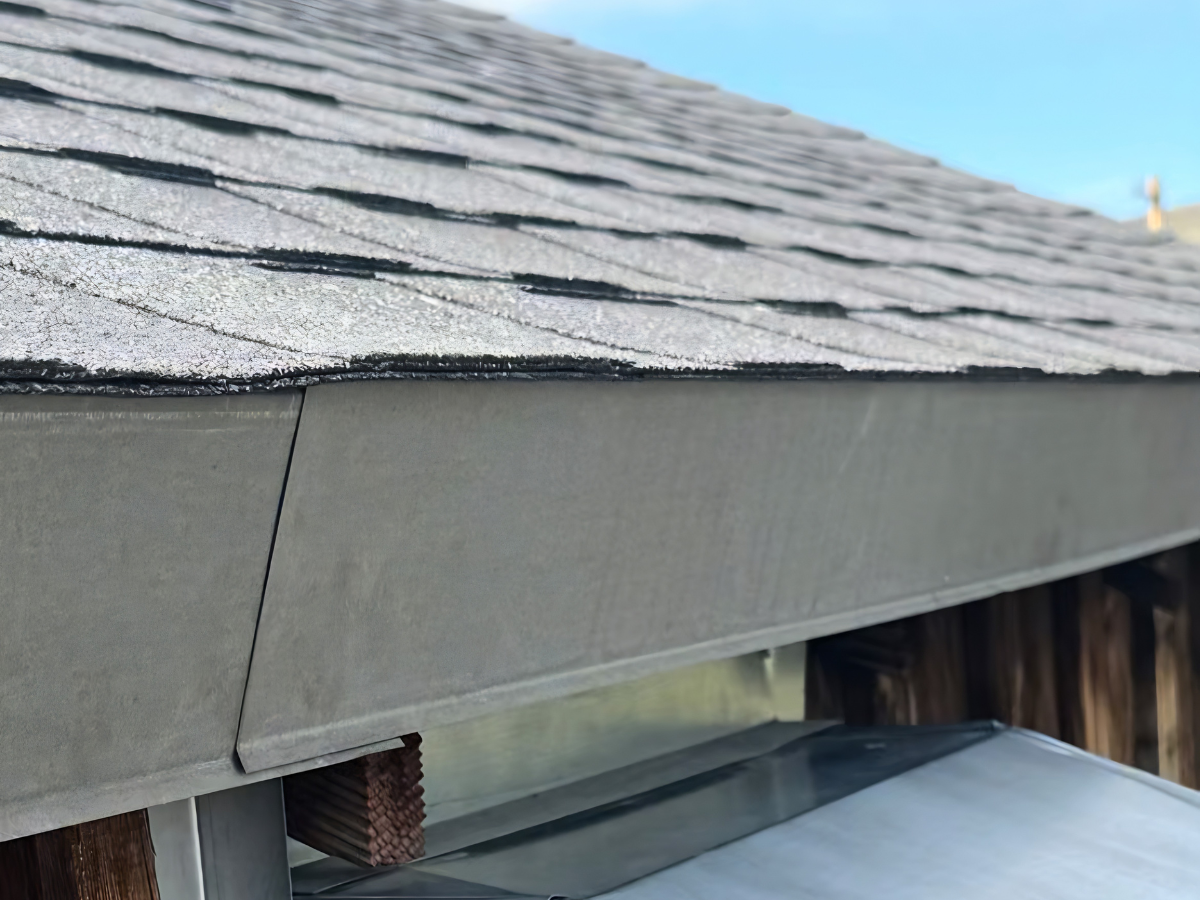
Asphalt shingles can work for some Southern California homes, but they may not last as long in extreme desert heat as tile, metal, or some cool-rated systems. Standard shingles can crack, curl, fade, and lose granules faster under strong UV exposure.
Asphalt shingles may be a practical option when:
The homeowner needs a lower upfront cost
The roof has a standard pitched design
The home does not require a tile or metal appearance
A cool-rated shingle product is available
The homeowner understands the maintenance and lifespan tradeoff
Possible concerns with asphalt shingles include:
Faster aging in hot climates
Granule loss from UV exposure
Curling or cracking shingles
Heat-related brittleness
Wind-lift risk if installation is poor
Shorter lifespan than tile or metal
For What Roofing Material Is Best For Coachella Valley searches, asphalt shingles are usually not the longest-lasting option. However, they may still be considered when budget and roof design make them appropriate.
How To Compare Roofing Materials For Your Home
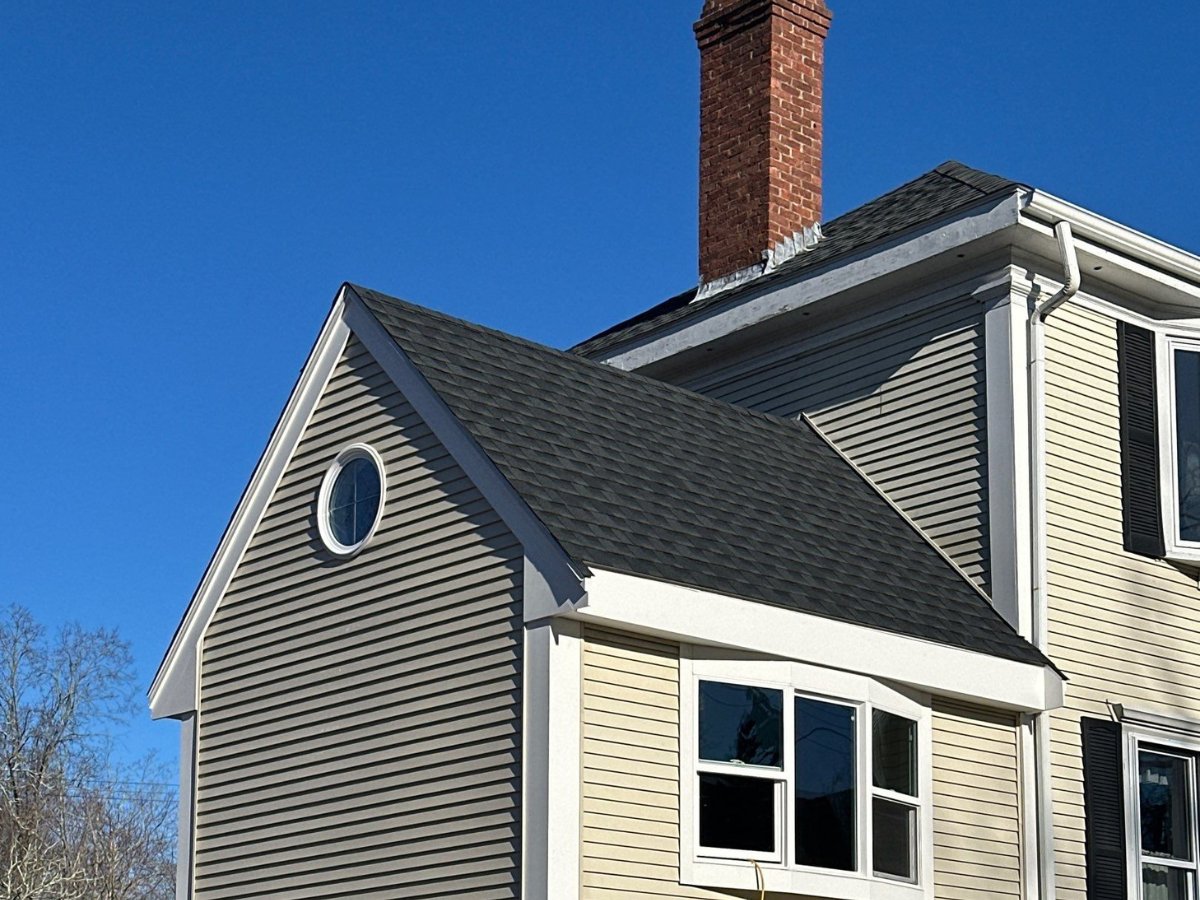
The best roofing material depends on the home’s structure, roof slope, climate exposure, budget, maintenance expectations, and energy goals. A homeowner should compare more than the upfront price because roof lifespan and repair needs affect long-term value.
Compare each material by asking:
How long will this roof last in Southern California heat?
Does this material meet Title 24 requirements if needed?
What type of roof is best for hot weather?
Is the roof steep-slope, low-slope, or flat?
Will this material handle Santa Ana wind events?
Does the roof structure support the material weight?
How much maintenance will the roof need?
Will the material reduce heat absorption?
Does the material fit the home’s architecture?
What warranty applies to the roofing product?
What does the written estimate include?
A licensed roofing contractor can identify early warning signs during a free on-site inspection.
How To Find A Roofing Contractor In Palm Springs
To find a Roofing Contractor Palm Springs homeowners can trust, check the contractor’s California license, insurance, local roofing experience, written estimate process, and familiarity with desert roofing materials. Southern California roofing requires knowledge of heat, UV exposure, wind, roof slope, and cool roof requirements.
Before choosing a contractor, homeowners should confirm:
California roofing license status
Liability insurance coverage
Workers’ compensation coverage
Experience with tile, metal, shingles, spray foam, and flat roofs
Knowledge of Title 24 cool roof rules
Clear written estimates
No-pressure inspection process
Cleanup after installation
Local experience in Riverside and San Bernardino Counties
Dove Roofing and Construction is a licensed California roofing contractor, CA License #871103. The company is fully insured with liability and workers’ compensation coverage, rated 4.5 stars on Google, and provides transparent written estimates with no hidden fees.
Frequently Asked Questions
1. What Roofing Materials Work Best In Extreme Heat?
Tile, metal, spray foam, and cool-rated roofing materials often work best in extreme heat because they manage UV exposure, heat transfer, and long dry seasons better than basic asphalt shingles. In desert areas, roofing should be chosen for heat resistance, energy performance, and long-term durability.
2. Is Tile Roofing Better Than Asphalt In The Desert?
Tile roofing is often better than asphalt in the desert because concrete and clay tile resist heat and UV exposure better than standard shingles. Asphalt shingles can crack, curl, fade, and lose granules faster in extreme heat, while tile can last longer with proper underlayment and maintenance.
3. How Does UV Exposure Affect Roofing In Palm Springs?
UV exposure affects roofing in Palm Springs by drying out shingles, sealants, coatings, and underlayment over time. Intense sun can make asphalt shingles brittle, weaken flat roof coatings, fade roof surfaces, and increase cracking around vents, skylights, flashing, and roof edges.
4. What Is Cool Roof Technology And How Does It Help?
Cool roof technology uses roofing materials with higher solar reflectance and thermal emittance to reduce heat absorption. In hot Southern California areas, cool roofing can help reduce roof surface heat, support indoor comfort, and help certain reroofing projects meet California Title 24 requirements.
5. Are Metal Roofs Good For Coachella Valley Homes?
Metal roofs can be good for Coachella Valley homes when they use reflective coatings, correct fasteners, proper flashing, and suitable ventilation. Metal roofing can resist heat and last many years, but installation quality matters because wind, expansion, and roof design affect performance.
6. What Is The Best Energy-Efficient Roofing For Desert Homes?
The best energy-efficient roofing for desert homes is usually a cool-rated tile, metal, spray foam, or reflective roof system matched to the home’s roof slope. Low-slope homes may benefit from spray foam, while pitched homes often perform well with tile or coated metal roofing.
7. How Do I Choose A Roof That Withstands Desert Weather?
Choose a roof that withstands desert weather by comparing heat resistance, UV performance, wind resistance, slope compatibility, maintenance needs, and California energy-code compliance. A licensed contractor should inspect the roof before recommending tile, metal, spray foam, cool shingles, or flat roof membranes.
Dove Roofing and Construction provides free roof inspections and free estimates for homeowners choosing roofing materials for Southern California’s desert climate. Call (760) 702-7633 to schedule a no-pressure inspection with a licensed California roofing contractor.
Dove Roofing and Construction helps homeowners compare tile, metal, spray foam, shingles, and cool roof options based on heat performance, roof design, energy needs, and long-term value.
