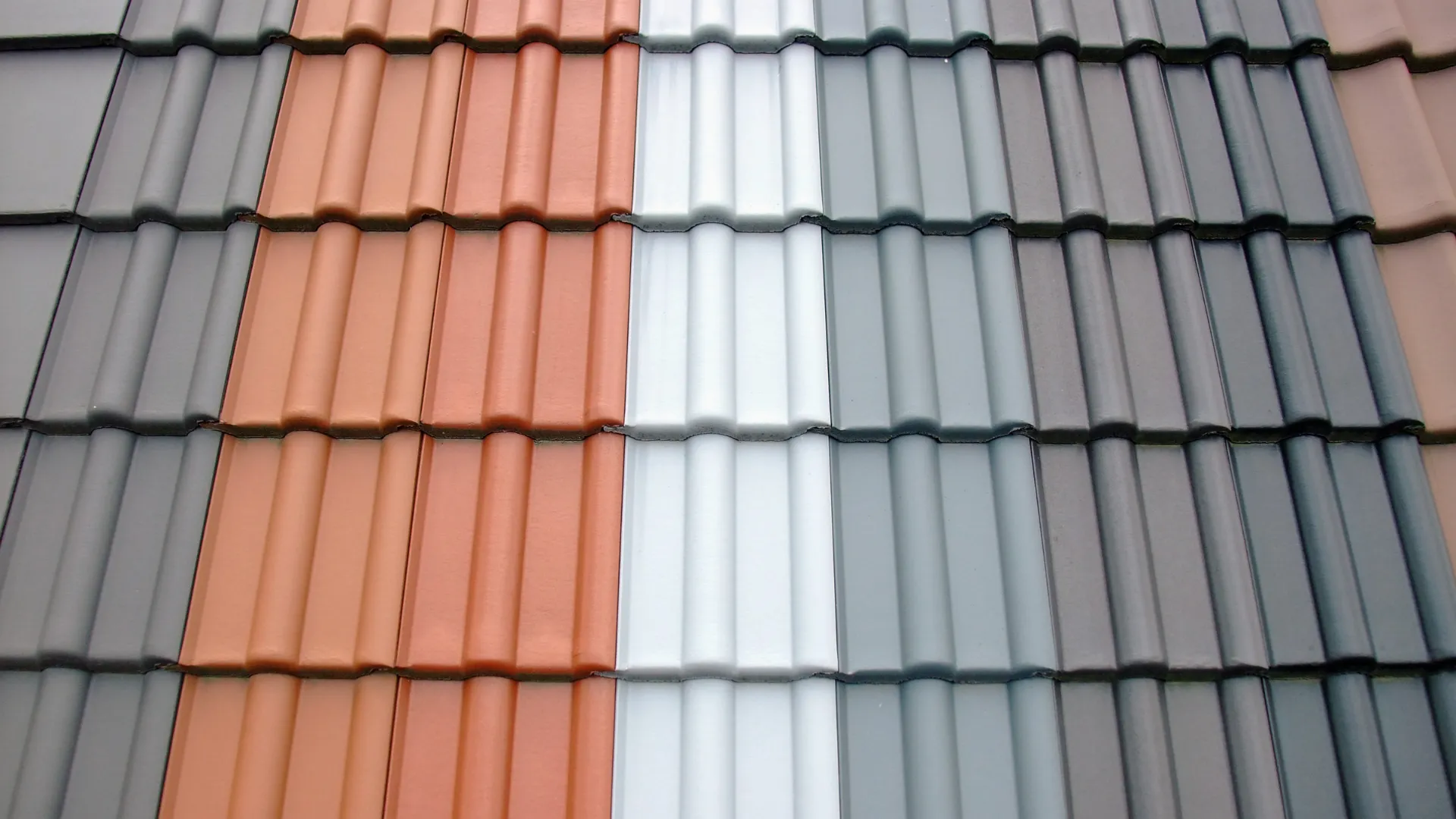
Which Roof Tile Colors Survive Coachella Valley Heat?
The roof tile colors that hold up best in Coachella Valley heat are the lighter, reflective shades, because roofs that reflect sunlight stay cooler than roofs that absorb it. In our experience, sand, tan and cream tones also hide blowing dust better than dark browns. Check your cool roof requirements before you commit to a color.
By David Berumen, Owner · Last updated November 2026
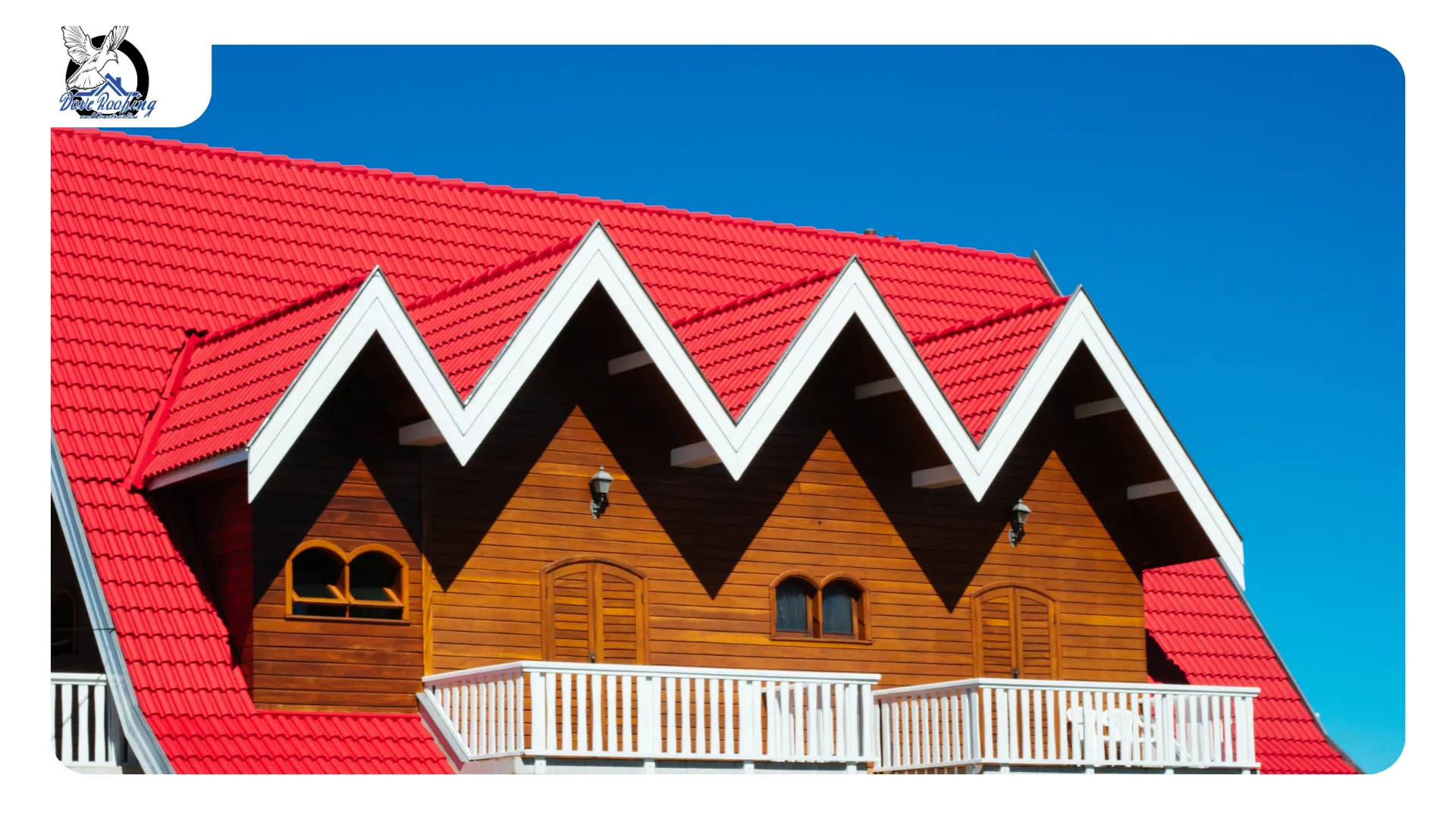
Which roof tile colors hold up in Coachella Valley sun?
Lighter ones. Dark-colored roofing materials strongly absorb heat from sunlight, according to the California Air Resources Board's Cool California program, and ENERGY STAR says the same thing from the other direction: lighter or reflective roofs stay cooler than roofs that absorb sunlight. In Palm Springs, Rancho Mirage and Palm Desert, where the roof takes direct sun for most of the day, that gap matters more than it does on the coast.
Here is how we sort tile colors for a desert home.
Sand, cream and light terracotta. The safest picks for heat. They reflect more sun, and they show less of the pale dust and sand that settles on a roof here.
Mid-tone reds and tans. A fair middle ground. Many homeowners like them because they look right against stucco and desert landscaping.
Dark browns, charcoal and deep reds. The best-looking tiles in a showroom and the hardest on a hot roof. We steer most homeowners away from them unless the tile carries a cool roof rating.
That last point is worth repeating. Color is only one input. A tile in a dark shade can still be sold as a cool roof product, and a light shade is not automatically one. Look for the product's rated reflectance, not just the name on the pallet.
Blowing sand deserves a mention too. Sand and wind are things we see on roofs across the valley, not a statistic. A fine film of dust settles on tile and mutes deep colors over time. Light and mid-tone tiles hide that film better than dark ones do. If you live near Desert Hot Springs, Yucca Valley or any spot that gets steady wind, weigh that before you fall for a charcoal sample.
How much cooler can a lighter tile roof run?
Cool roofs can stay up to 50 to 60 degrees Fahrenheit cooler than conventional rooftops during peak summer weather, according to the same Cool California page. That is the headline number, and it is worth being honest about what it does and does not say.
The comparison is cool roof against conventional roof, not light tile against dark tile. A cool roof is built to reflect more sunlight and shed heat. A lighter tile can move you in that direction, but the size of the drop depends on the specific product, how it is installed and how clean the surface stays. Do not read the 50 to 60 degree figure as a promise for any one color.
What we can tell you from the roof is simple. A cooler roof surface sends less heat down toward the attic and the living space below it. In a valley where summer air conditioning runs for months, that is the reason to care about color at all, well before curb appeal.
We are not going to quote a surface temperature for a specific tile on a July afternoon. We have no verified measurement to back one up, and a made-up number helps nobody choose a roof.
Do clay and concrete tile colors vary by region?
Yes. Tile manufacturers note that colors and profiles vary by region, so the palette you see in a catalog online may not be what is stocked for the Coachella Valley.
It helps to know what you are choosing between. Roof tiles are made of clay or concrete, and each material comes in its own range of shades and shapes. Clay roof tile colors and concrete roof tile colors are not interchangeable lists, so ask to see the actual range for the material you are leaning toward.
Two practical consequences follow.
Ask what is available locally. A color that exists on paper can be a special order, with a longer wait and no easy way to buy more later.
Pick the color and the profile together. The same shade can read lighter or darker depending on the profile once it is on the roof.
If you are weighing tile against a different system altogether, our post on tile versus foam roofing in Rancho Mirage compares the two for desert homes.

Does a new tile roof have to meet cool roof rules?
Often it does. California's Title 24 energy code applies to new construction, additions and alterations, including roof recoverings, according to the California Cool Roof Rating Council. A reroof triggers the cool roof requirements when you replace 50 percent of the roof or 1,000 square feet, whichever is less, per the state's guidance on steep-slope roof alterations.
In plain terms, a full tile replacement covers more than half the roof, so it crosses that line. Even a large partial reroof can cross it.
We are not going to list reflectance values here. The numbers that apply depend on your climate zone and the roof's slope, and they can change when the code is updated. Instead, we confirm the requirement for your address when we pull the permit, then choose from tile that meets it. That order matters. It is far cheaper to rule out a non-compliant color on paper than to learn about it from an inspector after the roof is on.
If you are planning a full tear-off, our roof replacement service covers how we scope the job, and the permit and code check is part of it. For homes in the heart of the valley, we also work from our Palm Springs roofing page.
What should you check before you pick a tile color?
Run through this list before you sign off on a sample.
View the sample outdoors. Showroom lighting flatters everything. Put the tile on your actual roof or wall in direct sun and look at it at different times of day.
Ask for the cool roof rating. Ask whether the specific product is rated, and ask to see the documentation, not just a verbal yes.
Match the stucco and trim. In the desert, wall color and trim carry a lot of the look. A tan stucco house usually takes a sand or terracotta tile better than a gray one.
Check your HOA. Many valley communities have approved palettes. Get approval in writing before an order goes in.
Think about dust. Deep colors show a film of dust sooner. Mid-tones and light blends forgive more.
Confirm the profile and the supply. Make sure the color you choose will still be available in the same lot if you need to repair the roof later.
Can you match tile colors on a repair or partial replacement?
Sometimes, but not perfectly. A roof that has baked in the sun for years will not match a fresh tile of the same name. New pieces tend to look brighter at first and settle toward the surrounding roof as they weather.
If you are repairing a small area, ask your roofer to bring samples and hold them against the existing roof in daylight. Ask for a blend if the tile line offers one, so the new pieces do not read as a patch. If the existing tile is discontinued, there are two honest options: use a close match in a low-visibility area, or reroof the full slope so the color is consistent.
For a home in Rancho Mirage, our Rancho Mirage roofing page lists the area we cover, and we can look at the roof in person before anyone orders a single tile.
Frequently Asked Questions
Can you paint a tile roof?
Yes, a tile roof can be coated, but color is not the only thing to weigh. A coating changes the surface the sun hits, which is worth thinking about for a cool roof rating and for warranty terms on the original tile. We would want to inspect the roof first, so ask for a written recommendation before anyone buys paint.
How long do tile roofs last in California?
It depends on the material, the installation and the care the roof gets. The tile itself is only one layer. The underlayment and flashing beneath it also age in desert heat, and they are often the parts that need attention first. We can inspect your roof and tell you where it stands.
Where to buy replacement concrete roof tiles?
Replacement concrete tile comes through roofing suppliers and through your roofer. The catch is color and profile. Bring a sample piece or clear photos of the existing roof so the supplier can look for a close match, and expect the color to differ slightly from tile that has weathered for years.
How to install tile roof?
Tile installation is a layered job: the deck and underlayment go on first, then flashing at the edges and penetrations, then the tile. Because the details around the tile decide whether the roof sheds water, we recommend a licensed roofer for it, and we confirm permit requirements for your address before work starts.
How to walk on roof tiles?
Carefully, and ideally not at all. Tile can crack under a misplaced step, and a cracked tile is a leak waiting for a monsoon storm. If someone must go up, they should move slowly and keep weight low. For inspections, we would rather you call us.
How long do clay tile roofs last?
Clay tile is a durable material, but the roof's lifespan still depends on the underlayment, the flashing and how the roof was installed and maintained. We do not want to throw out a generic number. The best answer for your home comes from an inspection of the actual roof.
Visit or Call Us
Call for a free roof inspection and written estimate.
Dove Roofing and Construction
Address: P.O. Box 289, Palm Springs, CA 92263
Phone: (760) 702-7633
Hours: Mon to Sat 7am to 7pm · Sun Closed
License: #871103 (C-39)
Serving Palm Springs, Rancho Mirage, Palm Desert, Cathedral City, La Quinta, Indian Wells, Desert Hot Springs, Joshua Tree, Yucca Valley, Twentynine Palms, Riverside, Redlands, Corona, Moreno Valley, Menifee, Beaumont, Banning, Calimesa, Yucaipa, Wildomar and Rancho Cucamonga.
