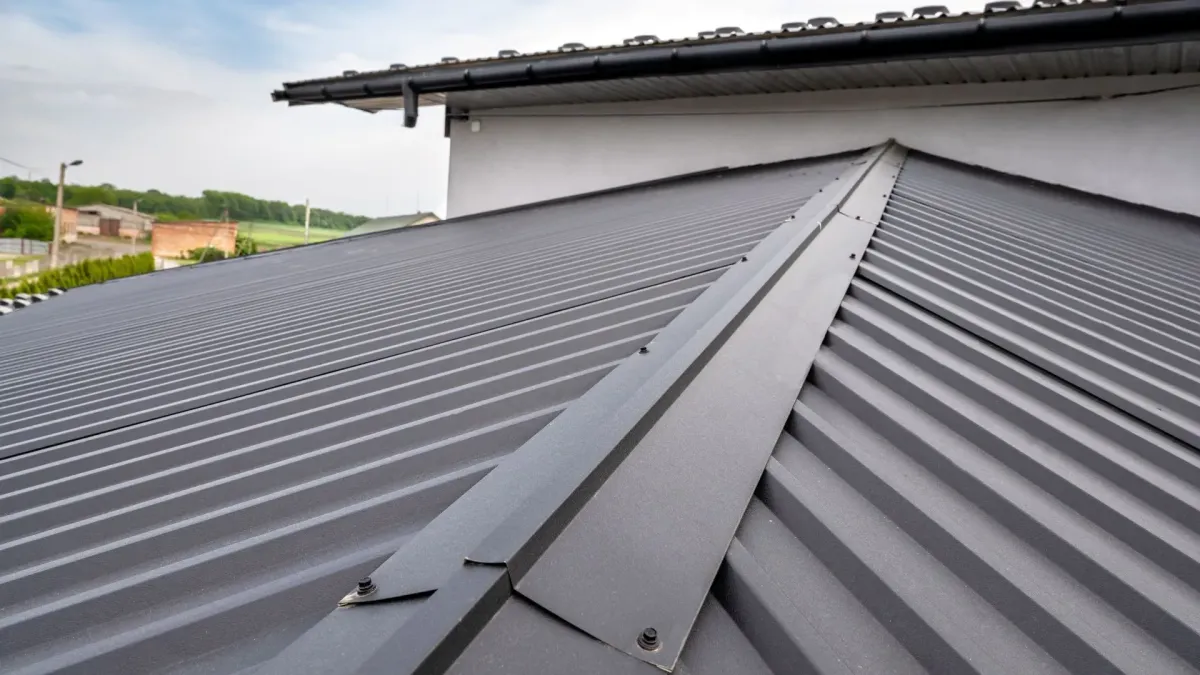
Roofing Systems Rancho Mirage CA | Tile, Foam & Coating
Tile or Foam: Which Roofing System Suits a Rancho Mirage Home?
Neither is universally better the slope of your roof decides it. Pitched roofs in Rancho Mirage take tile. Low-slope and flat roofs take spray foam or a single-ply membrane. Cool roof coating isn't a third option; it's a surface finish applied over a low-slope system. Dove Roofing and Construction installs all of them, licensed #871103.
By David Berumen, Owner of Dove Roofing and Construction · Last updated September 2026
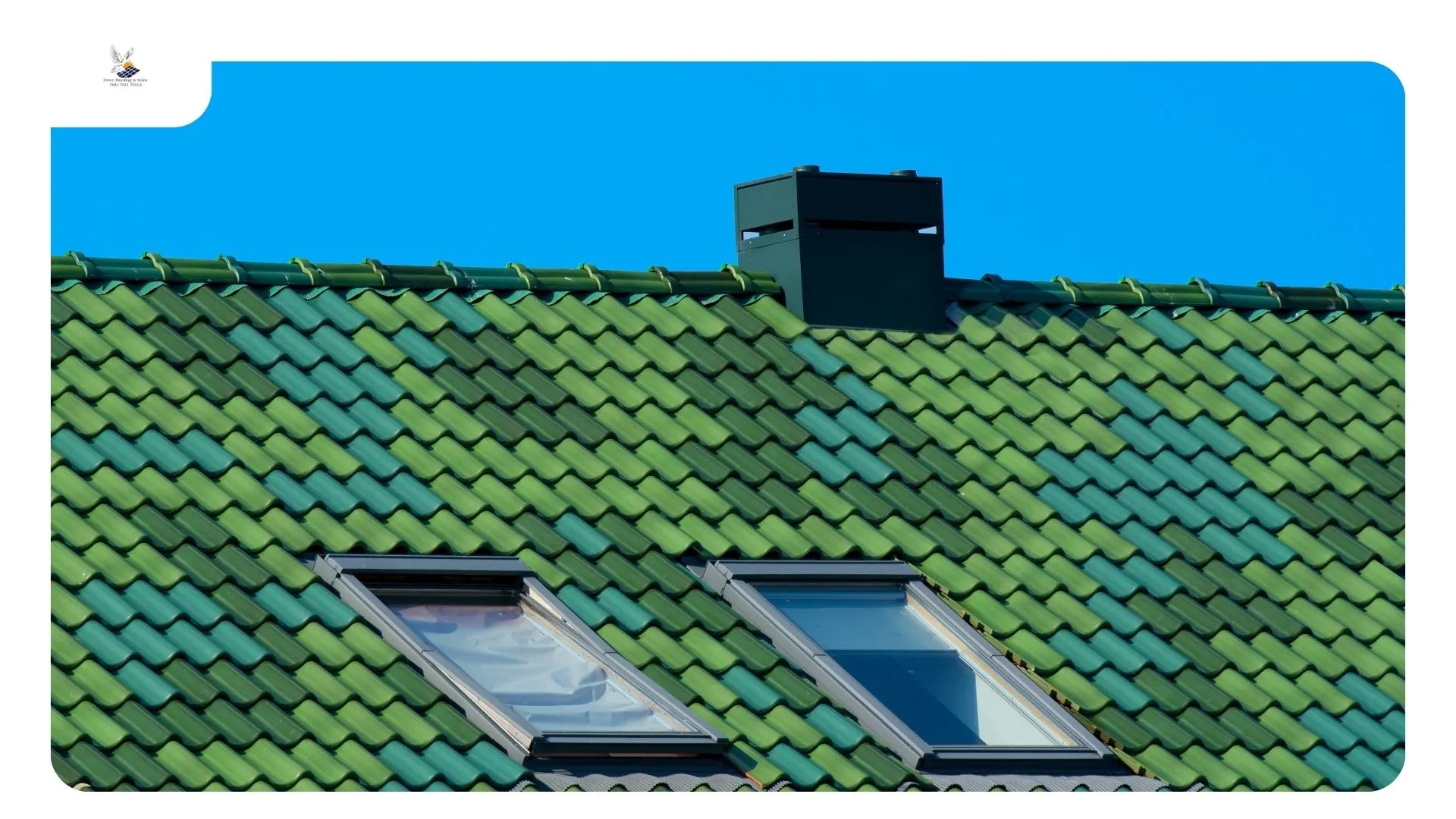
What type of roof is best for a hot climate?
The question gets asked as if there's a single winner. There isn't, and any contractor who gives you one without looking at your roof is selling rather than advising.
Rancho Mirage housing is mostly two shapes. Pitched roofs — the tile you see across the country club communities. Low-slope and flat roofs — the desert modern stock, plus the flat sections that adjoin pitched roofs on a great many homes here. Tile on a flat roof will leak. Foam on a steep pitch is neither appropriate nor attractive. The slope makes the decision before any other consideration enters it.
What is universal in this climate is the second question: how the roof handles solar load. Summer surface temperatures on a dark low-slope roof can run far above ambient, and every degree of that is heat your air conditioning removes at your expense. That's why reflectivity matters here more than insulation alone, and why California's energy code treats it as a requirement rather than an upgrade — Title 24 places the Coachella Valley in Climate Zone 15, the hottest in the state, with prescriptive cool-roof requirements for low-slope roofs.
So the honest framing: the slope picks the system, and the climate picks the surface.
Tile roofing in Rancho Mirage
Tile is the right answer on a pitched roof here, and it earns that on durability rather than looks.
Concrete and clay tile are inert. They don't degrade under UV the way asphalt does, they don't soften in heat, and they shed wind-driven debris well. The barrel profile also creates an air gap between the tile and the deck, which lets heat convect away rather than conduct straight into the attic — a genuine thermal benefit nobody advertises.
Here's the part most homeowners get wrong. The tile isn't the waterproofing. The underlayment beneath it is, and that's the component with the shorter clock. Tile itself can last fifty years or more. The underlayment is typically good for twenty to thirty in this climate, and when it fails you need a lift-and-relay — the tile comes off, new underlayment goes down, the same tile goes back on.
That reframes the economics entirely. A tile roof isn't a fifty-year purchase you forget about. It's a long-life surface over a mid-life waterproofing layer, and knowing which one is failing is the difference between a relay and an unnecessary full replacement. It's also why regular maintenance matters more on tile than people assume — the failure is invisible from the ground.
Foam and flat roofing
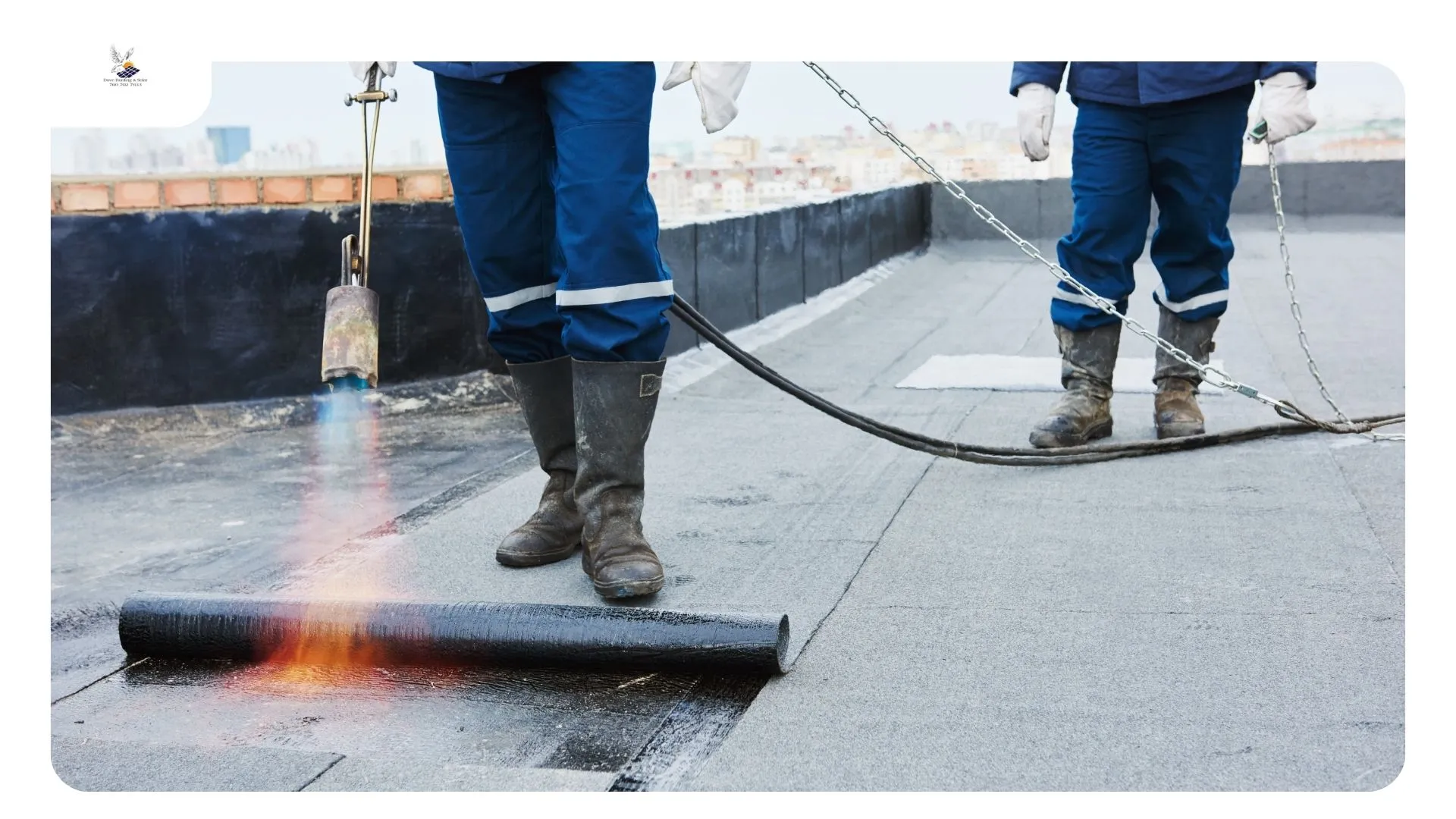
On low-slope roofs, sprayed polyurethane foam is hard to beat in this climate, for one structural reason: it's seamless.
Foam is applied as a liquid that expands and cures into a continuous monolithic layer. There are no laps, no fasteners through the membrane, no seams — and seams are where low-slope roofs leak. It self-flashes around penetrations, curbs and parapets, which are exactly the details that fail on other systems. It also adds real insulation value, which a membrane doesn't.
How long does a foam roof last? Effectively indefinitely, if the topcoat is maintained — and that caveat is the whole answer. The foam itself is durable but has no UV resistance at all. It's protected by an elastomeric topcoat, and that coating needs renewing on a cycle, typically every ten to fifteen years depending on exposure and how well the roof is kept clean.
Stay on the recoat cycle and you never replace the roof. Miss it, let UV reach the foam, and the foam degrades — at which point you're removing and replacing rather than coating. That single decision is worth more money than any other on this page, and it's why we treat recoat scheduling as part of the system rather than an afterthought.
Single-ply membranes — TPO and PVC — are the alternative on low-slope, and they're a reasonable choice on larger or commercial roofs. They install faster and the material cost is lower. They also have seams.
Cool roof coating
This is the one that gets misrepresented, so it's worth being precise: a cool roof coating is not a roofing system. It's a highly reflective surface applied over one.
On foam, the coating is the protective topcoat — it's doing two jobs at once, protecting the foam from UV and reflecting solar energy. On other low-slope systems it's a reflective overlay. Either way it works by reflecting solar radiation before it becomes heat in the structure, which is why the standard is measured in reflectance and emittance rather than thickness.
Do cool roof coatings actually reduce cooling costs? Yes, measurably, on low-slope roofs in a Climate Zone 15 summer — that's precisely why Title 24 prescribes them. The size of the saving depends on your insulation, your ducting and how much of your roof area is low-slope, so anyone quoting you a specific percentage without seeing the building is guessing.
One practical caveat specific to here: reflectivity is a property of the surface, and desert dust degrades it over a season. A coated roof that's never cleaned is slowly reverting to an uncoated one. Keeping it clean is part of the investment, not an add-on.
Cost and lifespan, side by side
System | Typical life | Ongoing requirement |
|---|---|---|
Concrete or clay tile | 50+ yrs (tile) · 20–30 yrs (underlayment) | Lift-and-relay when underlayment fails |
Spray foam | Indefinite if maintained | Recoat every 10–15 yrs |
Single-ply (TPO/PVC) | 20–30 yrs | Seam inspection; full replacement at end of life |
Cool roof coating | 10–15 yrs | Recoat; keep clean to hold reflectivity |
For a fuller breakdown of replacement costs across the valley, see our roof replacement cost guide for Rancho Mirage. For an overview of every system we install, see what roofing systems work best in Rancho Mirage and our specialized roofing systems page.
Where we install roofing systems around Rancho Mirage
We work throughout Rancho Mirage — the country club and gated communities along the Highway 111 and Bob Hope Drive corridors, the hillside properties on the north side, and the established neighbourhoods across the city, where pitched tile and flat desert modern sit side by side.
We cover the surrounding communities on the same routes: Palm Desert, Indian Wells, La Quinta, Cathedral City and Palm Springs. See every area we serve or browse recent projects.
Frequently asked questions
Which roofing type is best for a desert home?
It depends on slope. Pitched roofs suit concrete or clay tile, which resists UV, sheds debris and vents heat through the air gap beneath the tile. Low-slope and flat roofs suit spray foam or a single-ply membrane with a reflective cool roof coating. There is no single best system — the roof's geometry decides it.
How much does a tile or foam roof cost in Rancho Mirage?
Both are priced per square foot and vary with roof size, pitch, access, tile profile and whether existing material needs removing. Current ranges are listed above. A tile lift-and-relay, where the existing tile is reused over new underlayment, costs considerably less than a full tile replacement. Estimates are free and in writing.
How long does a foam roof last before it needs recoating?
The elastomeric topcoat typically needs renewing every ten to fifteen years, depending on sun exposure and how clean the surface is kept. The foam beneath has no UV resistance of its own, so the recoat is what protects it. Stay on the cycle and a foam roof can last indefinitely; miss it and the foam degrades to the point of needing replacement.
Do cool roof coatings actually reduce cooling costs?
Yes, measurably on low-slope roofs in this climate — which is why Title 24 requires them in Climate Zone 15, the hottest zone in California. The saving depends on your insulation, ducting and how much roof area is low-slope. Reflectivity is a surface property, so a coated roof needs keeping clean to hold its performance.
Are you a bonded and insured roofing contractor?
Dove Roofing and Construction holds California contractor's license #871103 and carries liability insurance and workers' compensation coverage. Licence status, bond and workers' comp can be verified directly through the CSLB licence lookup — we'd encourage you to check any contractor that way before hiring.
Visit or Call Us
Dove Roofing and Construction
Adress:P.O. Box 289 Palm Springs, CA 92263
Phone: (760) 702-7633
Hours: Mon – Sat: 7am – 7pm | Sun: Closed
License: #871103
Serving Rancho Mirage and surrounding areas including Palm Desert, Indian Wells, La Quinta, Cathedral City, Palm Springs, and Indio.
