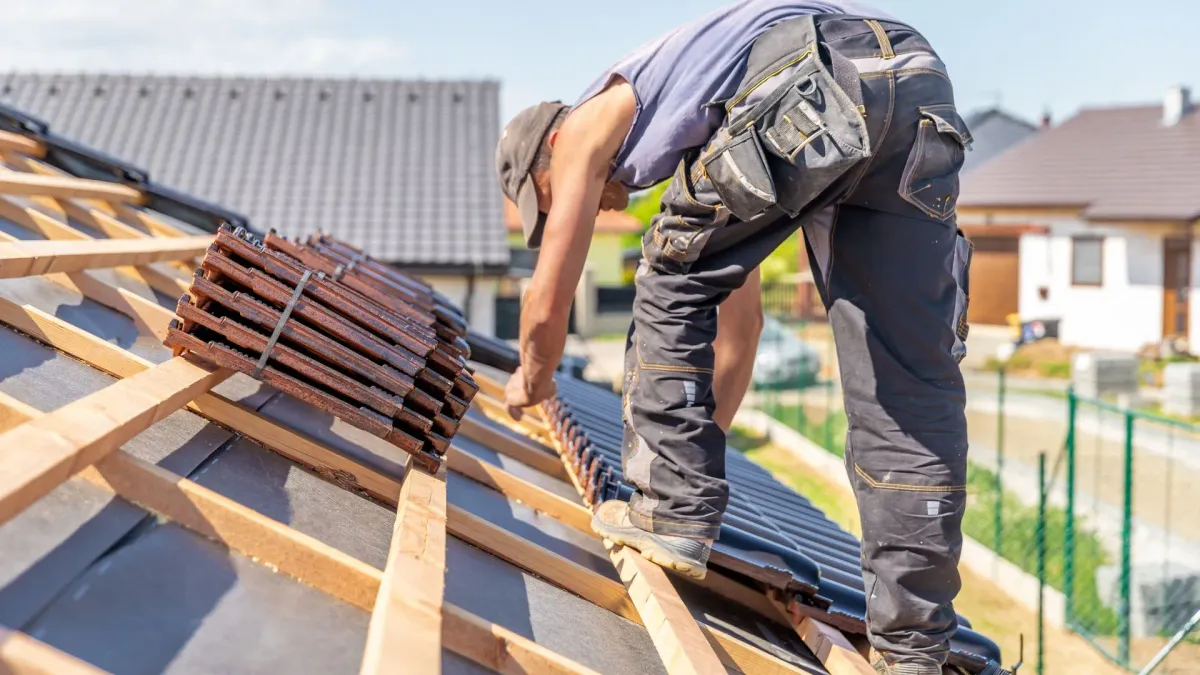
Roofing Contractor Liability in Palm Springs: Who Pays?
Roofing Contractor Liability in Palm Springs: Who Pays?
If a worker is injured on your roof, the answer depends almost entirely on whether the roofing contractor was licensed and insured. With a licensed C-39 roofer carrying workers' compensation, their policy responds. Hire unlicensed, and California law can treat you as the employer of everyone who was up there.
By David Berumen, Owner · Last updated November 2026
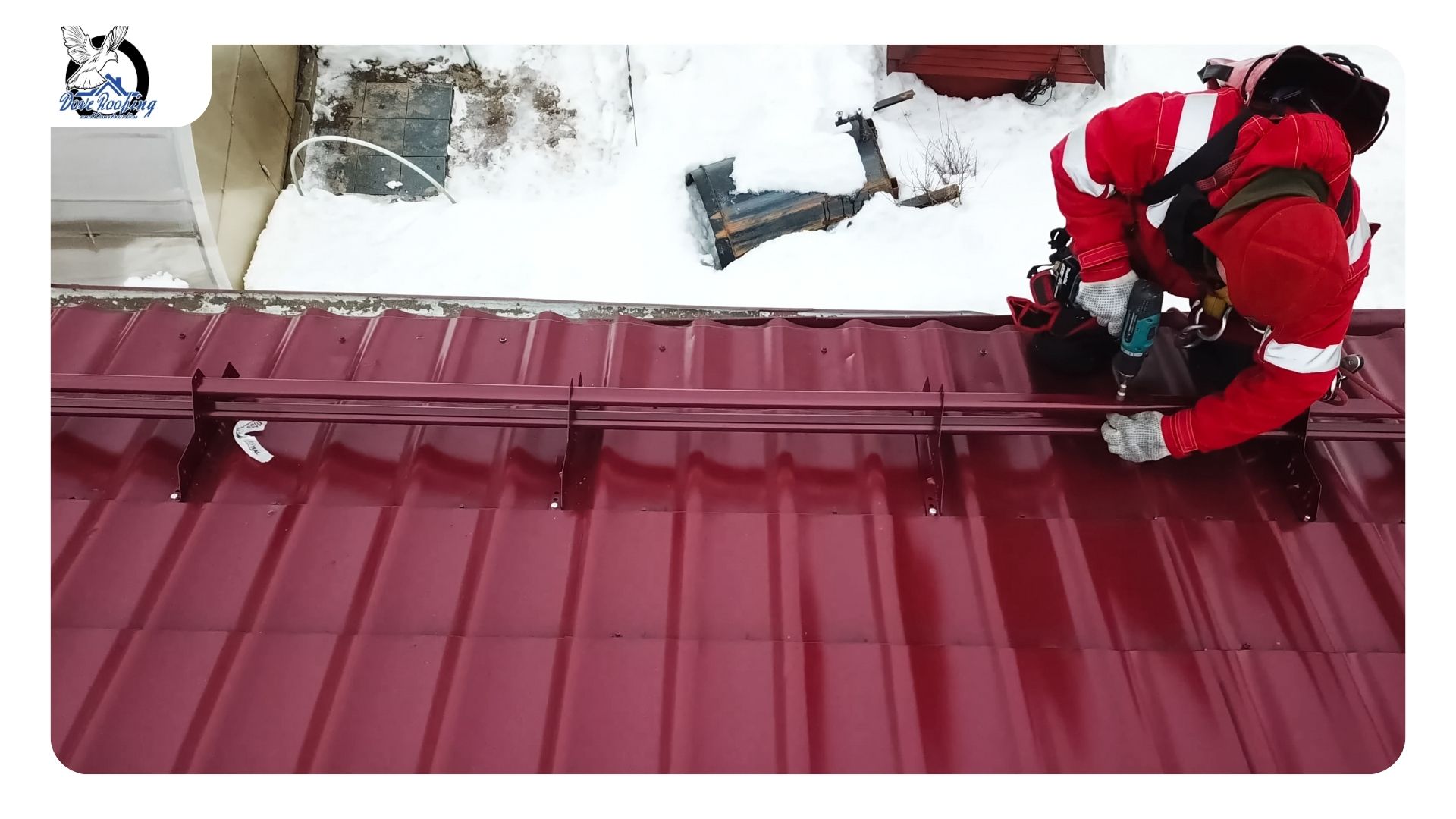
Who is liable if a worker is injured on your roof
Roofing has among the highest injury rates of any construction trade, and falls happen. Two very different outcomes follow.
You hired a licensed, insured contractor. Their workers' compensation policy covers the injured worker's medical costs and lost wages. Their general liability covers damage to your property. Your involvement is minimal.
You hired an unlicensed contractor. California Labor Code section 2750.5 treats the person who hires an unlicensed contractor for work requiring a license as the statutory employer — of the contractor and of anyone the contractor brought along. That can mean workers' compensation exposure landing on you, for people you never met and never hired directly.
Homeowners policies sometimes provide a narrow amount of coverage for an injured uninsured worker, but the limits are modest against a serious fall injury, and that is not what the policy is designed for. It is not a substitute for hiring someone insured.
Outcomes turn on the specific facts, and this is general information rather than legal advice — a construction attorney can tell you how it applies to your situation. But the practical lesson is simple: verifying a license takes two minutes and is the single highest-value thing a homeowner does before any roof work.
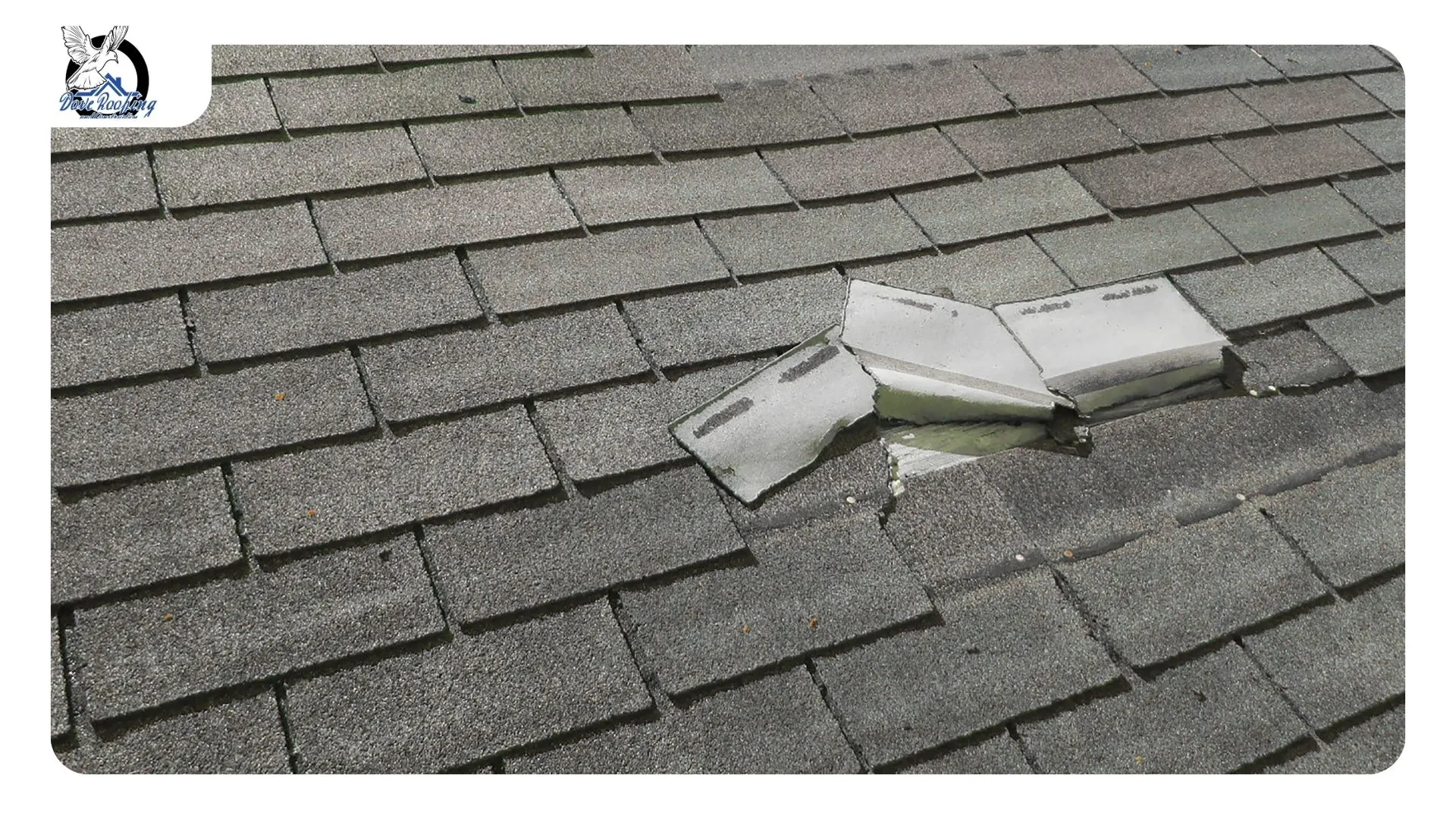
Why C-39 roofers are different from every other trade
Here is a fact most homeowners have never heard, and it tells you how seriously California takes this.
Most contractors in California could historically skip workers' compensation insurance if they had no employees. Roofing was the exception. C-39 roofing contractors have been required to carry workers' compensation insurance regardless of whether they have any employees — a solo owner-operator roofer still has to carry it.
No other classification was treated that way for years. CSLB-sponsored Senate Bill 216 later extended the same requirement to concrete, HVAC and tree service contractors, with the obligation broadening to licensees generally over time. But roofing was first, because the risk is highest.
What this means for you: a legitimate C-39 roofing contractor in California has workers' compensation coverage. There is no "I'm a one-man operation so I'm exempt" in roofing. If someone tells you that, they are either unlicensed or their C-39 classification has been removed — and CSLB removes the classification from a license when coverage lapses.
How to verify a contractor before work starts
Four checks, about ten minutes, and the same process applies to us as to anyone else.
Open the CSLB license lookup and search the business name or license number.
Confirm the status is active, not expired, suspended, or inactive.
Confirm the classification includes C-39. A general B license does not substitute for roofing classification on a roofing job. The record also shows when the license was issued, which tells you how long the company has genuinely operated.
Check the workers' compensation line. It appears on the same record. Also look at bond status and any disciplinary history.
For general liability, ask for a certificate of insurance sent to you directly by the agent or carrier rather than a PDF forwarded by the contractor. That is standard practice in commercial work and perfectly reasonable to request on a residential job.
What else hiring unlicensed costs you
Injury liability is the serious one, but it is not the only exposure.
You may be able to recover everything you paid — which cuts both ways. California law gives homeowners strong remedies against unlicensed contractors, including the ability to pursue repayment of amounts paid, regardless of work quality. That sounds like protection, and it is, but it only helps if the contractor is findable and solvent. Most are not.
No bond. Licensed contractors carry a bond that provides limited recovery for certain claims. Unlicensed means nothing behind the promise.
No permit. An unlicensed contractor cannot pull a permit. Unpermitted roof work surfaces during a sale, and in Palm Springs it also risks colliding with historic district requirements.
Your insurance claim. If storm damage work is done unpermitted or by an unlicensed contractor, it complicates the claim and can complicate future coverage.
No warranty that means anything. A workmanship warranty from an entity that may not exist next year is not a warranty.
The contract: permits, payments, and what to insist on
Permits. The contractor should pull the permit, not ask you to. A contractor who asks the homeowner to pull an owner-builder permit is often avoiding something. Which jobs need one is covered in our guide to when roof repair in Palm Springs needs a permit, along with the threshold at which an extensive repair becomes a re-roof subject to full Title 24 requirements, and the historic review that applies to some Palm Springs properties.
Payment schedule. California caps the down payment on a home improvement contract at $1,000 or 10 percent of the contract price, whichever is less. After that, progress payments should not run ahead of work actually completed, and the final payment should come after the work is finished and the permit inspection has signed off. Never pay in full up front, and never pay in cash without documentation.
Written contract. Required at $500 and above in combined labor and materials. You also have three business days to cancel, five if the homeowner is 65 or older, and seven for repairs in a declared disaster zone. CSLB's home improvement contract guide sets out the rest.
In the document itself: license number, named products by manufacturer, a stated rate for deck repair found after tear-off, both warranty terms, permit responsibility, and the timeline. For more on vetting the company, see choosing a roofing contractor in Palm Springs.
A licensed roofing contractor in Palm Springs
We are based in Palm Springs and work throughout the city — Las Palmas and Vista Las Palmas, the Movie Colony, Deepwell, Sunmor, Racquet Club Estates, Warm Sands, and the Araby and Indian Canyons areas — in ZIP codes 92262 and 92264, plus Cathedral City, Palm Desert, and the valley.
Dove Roofing and Construction holds California contractor license #871103 with the C-39 Roofing classification, and has worked desert roofs for over 20 years. Look the license up before you call, not after. See our roof repair and roof replacement services, or completed work in the project portfolio.
Frequently asked questions
Does a roofing contractor need a C-39 license in California?
Yes, for roofing work of $500 or more in combined labor and materials. C-39 is the dedicated roofing classification covering installation and repair of surfaces that seal and weatherproof a structure. A general B license is not a substitute on a roofing job, and working unlicensed above that threshold is a violation of California law.
How do I verify a contractor's license and workers comp coverage?
Search the business name or license number on the CSLB license lookup. Confirm the license is active, that the classification includes C-39, and check the workers' compensation line, bond status, issue date and any disciplinary history — all on the same record. For general liability, request a certificate of insurance sent directly from the agent or carrier rather than forwarded by the contractor.
What permits does a Palm Springs roofing job require?
Minor repairs generally do not require a permit, while re-roofs and larger work do, and there is a threshold at which extensive repair is treated as a re-roof subject to full Title 24 cool roof requirements. Some Palm Springs properties also fall under historic district or Class 1 site review. The contractor should pull the permit rather than asking the homeowner to.
What should the payment schedule look like on a roofing contract?
The down payment is capped by California law at $1,000 or 10 percent of the contract price, whichever is less. Progress payments should not exceed the value of work actually completed, and final payment should follow completion and permit inspection sign-off. Never pay the full amount up front, and keep documentation of every payment.
Who is liable if a worker is injured on my roof?
With a licensed, insured contractor, their workers' compensation policy covers the injured worker. With an unlicensed contractor, California Labor Code section 2750.5 can treat the homeowner who hired them as the statutory employer of the contractor and their workers, creating potential workers' compensation exposure. Homeowners policies provide only limited coverage in that situation. This is general information, not legal advice.
Check the license before anyone climbs a ladder
Two minutes on the CSLB site answers the only question that really matters before roof work starts. Call Dove Roofing and Construction at (760) 702-7633 for a free, no-obligation inspection, or book a visit online.
Visit or Call Us
Dove Roofing and Construction
Adress:P.O. Box 289 Palm Springs, CA 92263
Phone: (760) 702-7633
Hours: Mon–Sat 7am–7pm · Sun Closed
License: #871103 (C-39)
Serving Palm Springs and the Coachella Valley including Cathedral City, Desert Hot Springs, Rancho Mirage, and Palm Desert.
