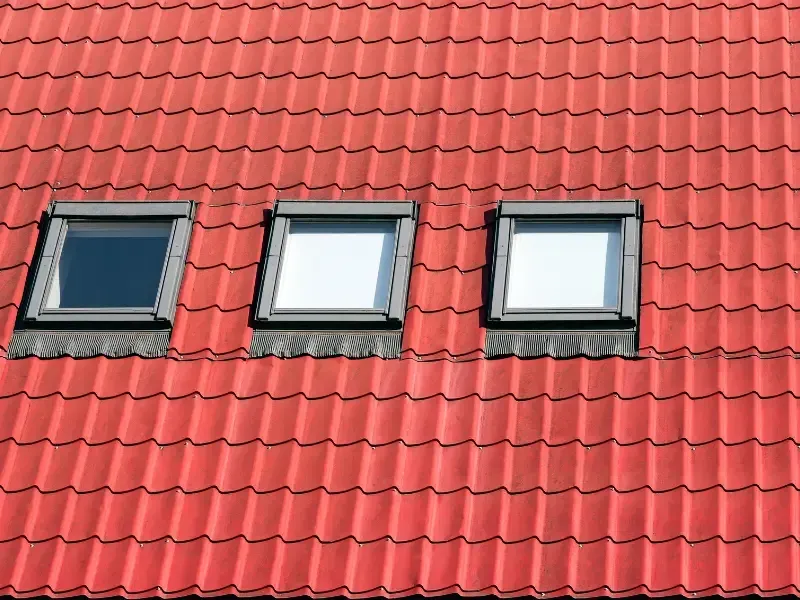
Skylight in Tiled Roof: 7 Common Problems & Fixes
A skylight in tiled roof can develop a few common problems as the years go by. Leaks are usually the first thing homeowners notice. But there can also be drafts, foggy glass from trapped condensation, small cracks, or issues with the flashing around the frame. Tile roofs are built to move water safely down the roof. Each tile overlaps the next, guiding rain toward the gutters. But once a skylight is installed, that smooth flow of water gets interrupted a bit.
That’s where the flashing around skylight areas becomes really important. It acts like a small shield, pushing rainwater around the skylight instead of letting it sneak under the tiles. If that flashing gets worn out or wasn’t installed properly years ago water can slowly make its way inside. Skylights are pretty common in Southern California homes because they bring in so much natural light. Rooms feel brighter, more open.
By David Berumen, Owner, Dove Roofing and Construction· Last updated March 05, 2026
Key Takeaways
Most skylight leaks happen because of damaged flashing around skylight sections.
Foggy skylight glass usually means the seal between panes has failed.
Drafts often point to insulation or sealing issues.
Skylights older than 15–20 years often need replacement.

Why Skylights in Tiled Roofs Often Develop Problems
A skylight in tiled roof is basically a window installed into the roof system. And roofs… well, they’re designed to keep water out.
Any time that system gets interrupted, things need to be sealed perfectly.
Tile Roof Design Is Different
Tile roofs aren’t flat. They’re layered.
Each tile overlaps the next one, forming small channels that guide rainwater down the roof. It’s actually a pretty smart system.
But installing a skylight means cutting into that pattern.
Contractors have to remove tiles, install flashing underneath, then rebuild the tile layout around the skylight frame. If the flashing isn’t aligned correctly or if sealant deteriorates over time water can sneak underneath the tiles.
Sometimes slowly. Sometimes during heavy storms.
Sun and Weather Take a Toll
Skylights get hit with a lot of sun. Especially here.
Heat during the day. Cooler temperatures at night. Rainstorms during winter. All of that expansion and contraction eventually wears down sealants and metal flashing.
That’s why roofers performing skylight installation Southern California usually emphasize proper flashing systems. It’s the most important defense against leaks.
Still, even well-installed skylights need occasional maintenance.
7 Common Skylight Problems and How To Fix Them

1. Skylight Leaks
This one shows up the most.
Water finds its way inside through worn sealant or damaged flashing around the skylight frame.
Why It Happens
Over time, the flashing around skylight areas can shift or corrode. Once rainwater slips under the tiles, gravity takes over. Water travels along the roof deck until it finds a path inside.
You might notice ceiling stains first.
Sometimes after a heavy storm.
How To Fix It
Roofers usually remove the surrounding tiles and inspect the flashing system. If flashing is damaged, it gets replaced.
Applying more sealant alone usually doesn’t fix the real problem.
2. Condensation Between Glass Panels
Most skylights today use double-pane glass.
The space between the glass panels contains insulating gas that helps regulate temperature.
What Goes Wrong
Eventually, the seal holding those panes together can fail. Once that happens, moisture gets trapped inside.
That’s when the skylight starts looking foggy.
Fix
Unfortunately, the glass unit usually needs replacement. Once the seal fails, there’s no simple repair.
3. Drafts Around the Skylight
You shouldn’t feel airflow around a skylight.
If you do, something isn’t sealed right.
Possible Causes
insulation gaps around the frame
deteriorated sealant
damaged flashing around skylight areas
Fix
Roofers typically reseal the skylight frame and inspect the insulation surrounding the opening.
Sometimes minor adjustments fix it quickly.
4. Cracked Skylight Glass
Glass skylights can crack from temperature changes, falling debris, or simple material aging.
Even a small crack matters.
Water eventually finds it.
Fix
Glass replacement is usually required. Temporary patching rarely holds for long.
5. Damaged Flashing
Flashing is the protective barrier surrounding the skylight frame.
When flashing deteriorates, leaks usually follow.
Warning Signs
water stains around skylight corners
dripping during rainstorms
gaps near roof tiles
Fix
Roofers remove surrounding tiles and install new flashing systems designed for tile roofs.
This step is extremely important during skylight installation Southern California, where tile roofing systems are very common.
Read also: What Is Skylight Installation and Is It Worth It for Your Home?
6. Blocked Drainage Channels
Some skylights include tiny drainage channels built into the frame.
These channels move water away from the glass.
What Happens
Leaves, dust, or debris clog them.
Water starts pooling around the skylight frame.
Eventually it leaks inside.
Fix
Cleaning the drainage channels and resealing the skylight frame usually solves the issue.
7. Aging Skylights
Sometimes the skylight itself is simply reaching the end of its life.
Most skylights last around 15–20 years.
After that, small problems often start stacking up.
Sealants shrink. Flashing weakens. Glass insulation declines.
When Replacement Makes Sense
If repairs start happening repeatedly, replacing the skylight is often the better option.
New skylights are far more energy efficient anyway.

Skylight Services Homeowners Often Need
Fixing skylight problems usually requires professional roofing work.
Typical services include:
skylight leak repair
skylight flashing replacement
skylight glass replacement
skylight inspection
skylight installation Southern California
These repairs involve removing roof tiles and accessing the roof safely.
Not really a weekend DIY project.
Benefits of Maintaining Skylights
Keeping skylights in good shape has some clear advantages.
Prevent Interior Damage
Leaks around skylights can damage ceilings, drywall, and insulation.
Catching the problem early prevents expensive repairs.
Improve Energy Efficiency
Well-sealed skylights reduce heat loss and help maintain indoor temperatures.
Extend Skylight Lifespan
Cleaning debris and inspecting flashing regularly can extend skylight life significantly.
Small maintenance steps matter.
Advantages and Disadvantages of Skylights
Advantages
adds natural daylight indoors
improves airflow and ventilation
enhances interior design
may reduce daytime lighting use
Disadvantages
installation must be precise
flashing failures can cause leaks
repairs require roof access
Still, skylights remain one of the most popular roofing upgrades.
How Dove Roofing Can Help
Repairing a skylight in tiled roof requires experience with tile roofing systems.
Tile roofs are fragile. Removing tiles incorrectly can create more problems than it solves.
Skylight Inspection
Roofers carefully inspect the skylight, surrounding tiles, and flashing around skylight areas to locate the exact problem.
Proper Flashing Installation
Professional contractors install flashing designed specifically for tile roofing systems.
Reliable Skylight Repairs
From resealing skylights to replacing damaged glass, repairs are done carefully to protect the surrounding roof.
Why Homeowners Trust Dove Roofing
Roof repairs, especially skylights require precision.
Tile Roof Expertise
Dove Roofing has extensive experience working with tile roofing systems common across Southern California.
Skilled Roofing Crews
Crews know how to remove tiles carefully and reinstall them without damaging the surrounding roof.
Reliable Service
Homeowners appreciate clear inspections, honest assessments, and consistent workmanship.
Especially when dealing with roof leaks.
FAQs
1. How long do skylights last?
Most skylights last 15–20 years, depending on installation quality and weather exposure.
2. Can a leaking skylight be repaired?
Yes. Many skylight leaks are caused by damaged flashing or worn sealant and can often be repaired without replacing the entire skylight.
3. What causes flashing around skylight to fail?
Flashing usually fails due to poor installation, aging materials, or long-term weather exposure.
4. Is skylight installation Southern California different from other areas?
Yes. Tile roofing systems require specialized flashing and installation methods.
5. Should I repair or replace my skylight?
If the skylight is newer, repairs often solve the issue. Older skylights typically benefit from full replacement.
Conclusion
A skylight in tiled roof can brighten a home and improve ventilation, but it also needs proper installation and maintenance.
Most skylight problems like damaged flashing, cracked glass, or seal failure start small. Catch them early and repairs are usually manageable.
Ignore them too long though and the repair can become much bigger.
Regular inspections and professional maintenance help keep skylights working properly for years.
Get Professional Skylight Repair Today
If your skylight is leaking, fogging, or showing signs of damage, it’s best to address the issue early.
Dove Roofing provides professional skylight repair and inspection services for tile roofing systems.
Call Dove Roofing today at (760) 702-7633 to schedule your free skylight inspection.
