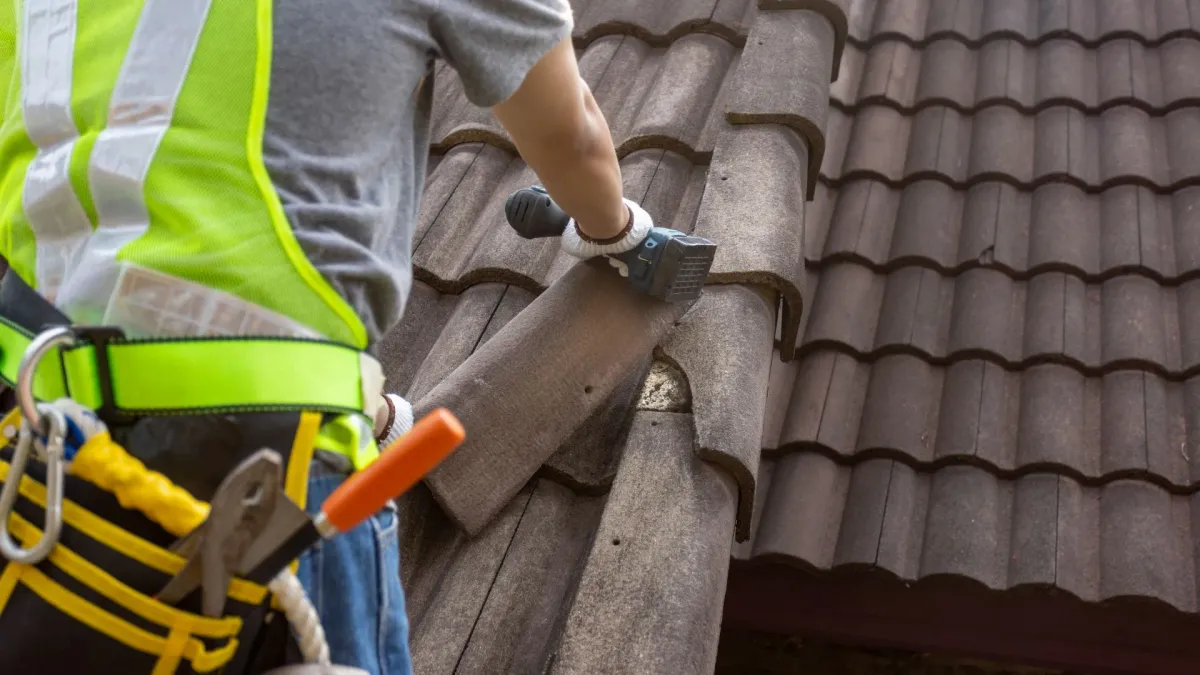
Tile Roof Repair in Cathedral City Tile or Underlayment
Tile Roof Repair in Cathedral City: Tile or Underlayment?
The underlayment, almost always. Clay and concrete tile can last 50 years or more in the Coachella Valley, but the waterproof layer beneath it gets 20 to 25. That gap is the single most important thing to understand about tile roof repair here, and it is why a roof with perfect-looking tile can leak in three places.
By David Berumen, Owner · Last updated October 2026
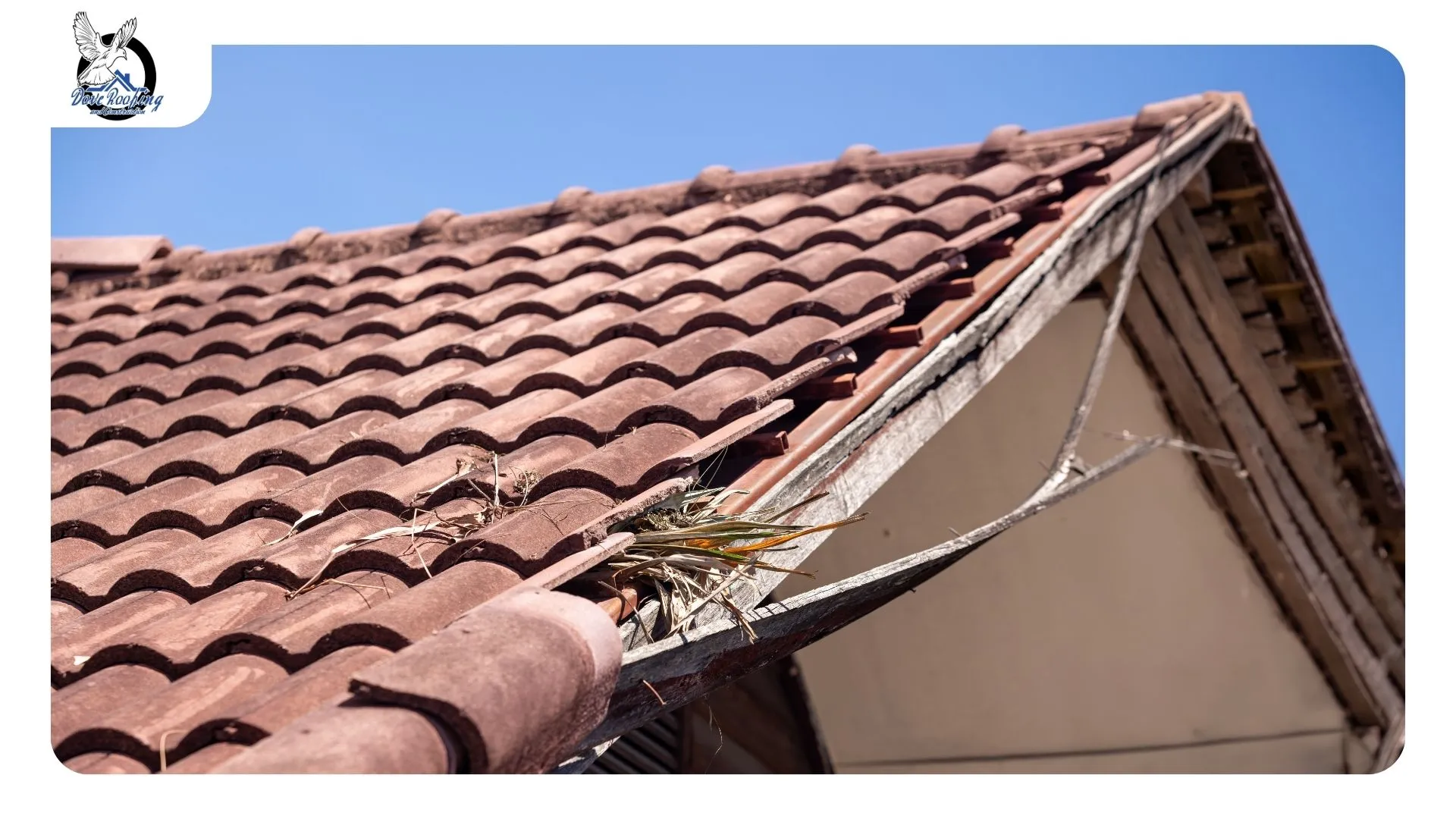
Tile or underlayment — what actually keeps the water out
Most homeowners assume the tile is the waterproofing. It is not.
Tile is the armor. It takes the sun, sheds the bulk of the water, and protects what sits underneath. The actual waterproof membrane is the underlayment stapled to the deck below — felt on older roofs, synthetic or modified bitumen on newer ones. Water that gets past or under the tile, and some always does, runs down that layer to the eave.
So the tile outlives the thing doing the real work, by decades. Concrete and clay tile are essentially inert — they do not rot, rust, or degrade in UV. The underlayment sits in a hot, ventilated attic space getting baked from above year after year until it goes brittle, cracks, and loses its grip around the fasteners.
This matters for Cathedral City right now. A large share of the valley's tile housing stock went up through the 1970s, 80s and 90s. Those roofs are 30 to 50 years old, which puts most of them past a first underlayment cycle and some past a second. The tile on them may be flawless. The layer underneath is not.
Can individual cracked tiles be swapped?
Yes, and it is routine work. Cracked, slipped, or missing tiles get lifted out and replaced individually without touching the rest of the roof.
Two practical complications in the desert:
Matching. Tile profiles and colors get discontinued. On a roof more than about twenty years old, an exact match off the shelf is unlikely. The usual solution is to pull sound tiles from an inconspicuous area — behind a parapet, a rear slope nobody sees — use those for the visible repair, and put the closest available new tile where it will not be noticed.
Brittleness. Decades of 115-degree afternoons and cool nights make old tile fragile. Removing one neighbor tile to access a broken one sometimes breaks that neighbor. A roofer who works on desert tile expects this and plans a small breakage allowance. One who does not will hand you a surprise.
The part that gets skipped by cheaper outfits: checking the underlayment under the tile that is coming off. A cracked tile usually means water has been reaching the layer below for a while. Replacing the tile and ignoring what is underneath fixes the appearance, not the leak. Our roof repair service page covers how we approach that, and for cost ranges on tile work see our La Quinta tile roof repair guide.
Does walking on a tile roof cause damage?
It absolutely can, and this is one of the most common ways Cathedral City tile roofs get damaged — not by weather, but by people.
Tile is strong where it is supported and weak where it spans. Each tile rests on the one below it, so the lower portion, where it overlaps the course beneath, sits on something solid. The middle of the exposed span has air under it. Step there and it cracks, often not visibly, and often not until weeks later when a hairline opens up under thermal cycling.
The right technique is to step on the lowest third of the tile, close to the overlap, keeping weight distributed and moving along the courses rather than across them. Clay barrel tile is more fragile than flat concrete, and both get more brittle with age.
In practice, this is why so many tile roofs out here have broken tiles nobody ordered: a solar installer, an HVAC technician servicing a rooftop unit, a satellite dish installer, a pest control tech, or a pressure-washing crew walked it without knowing where to step. If a trade has been on your roof recently and you have a new leak, that is the first place to look.
It is also why tile roofs should be soft washed rather than pressure washed, and why cleaning crews need to know what they are standing on. More on that in our guide to tile roof cleaning.
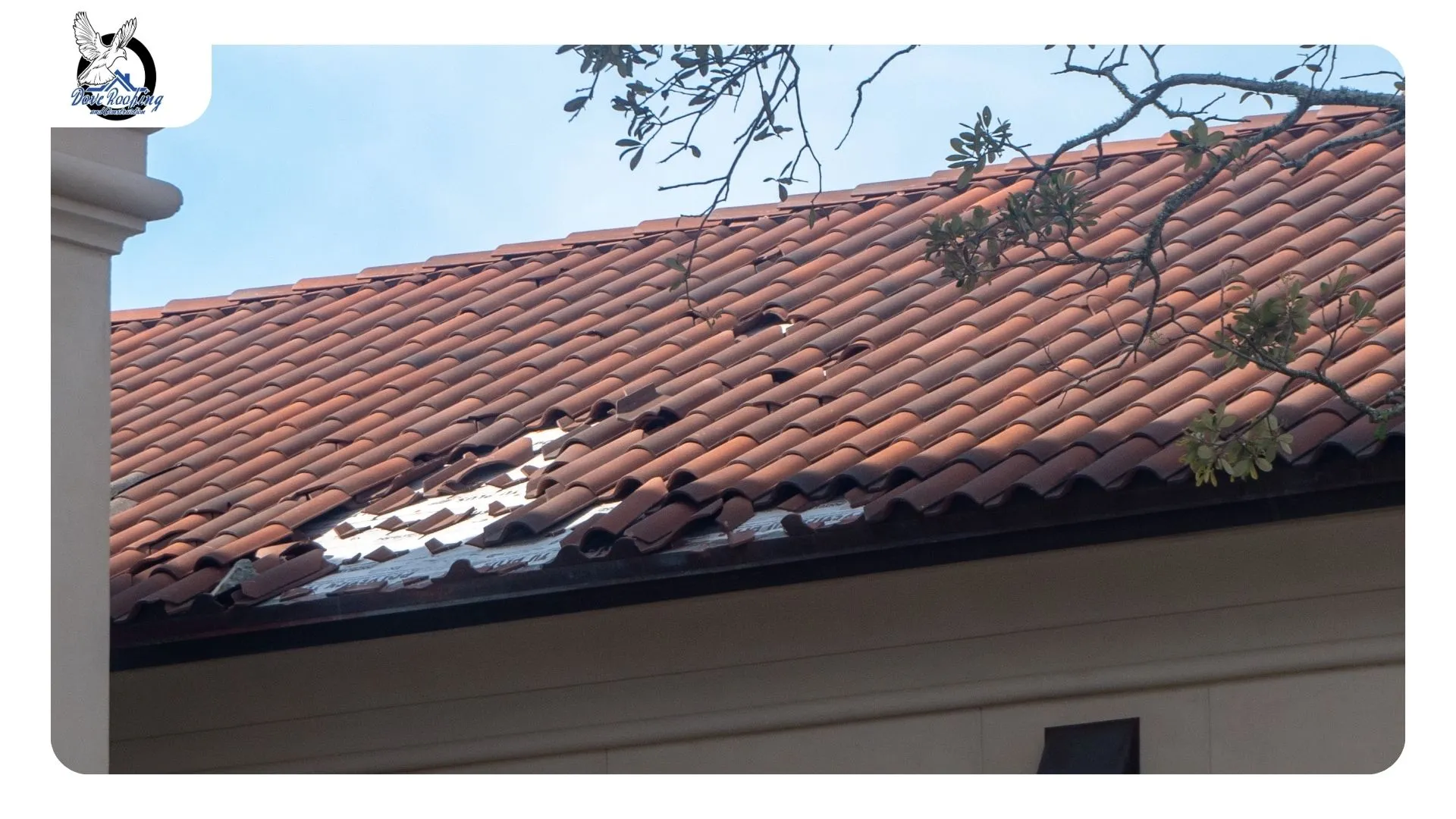
How do you know the underlayment is finished?
Individual symptoms are easy to dismiss. The pattern is what tells you.
Leaks in more than one location. The clearest signal. A single leak is usually a single failure. Three leaks across different slopes means the membrane is giving out generally.
Leaks after ordinary rain, not just heavy storms. A roof that only leaks in a downpour has a localized problem. One that weeps in any rain has lost its underlayment.
Brittle, black, crumbling material when a tile is lifted. Felt that cracks like a dry leaf rather than flexing is done. This is visible in two minutes to anyone who lifts a tile, which is why we lift tiles during an inspection instead of looking from the ground.
Elongated or pulled fastener holes, where the membrane has shrunk and torn around nails.
Age. A tile roof installed 25 or more years ago and never relayed is on borrowed time regardless of how it looks.
Stains appearing well away from any visible tile damage, because water is travelling along a failed membrane before it drips.
Lift and relay: the repair most homeowners have not heard of
This is the option that changes the economics, and a lot of people never get told about it.
When the underlayment fails but the tile is sound, the roof does not need new tile. The existing tile is carefully removed and stacked on site, the old underlayment is stripped off, the deck is inspected and repaired where needed, new underlayment goes down, and the original tile is reset on top.
You pay for labor, underlayment, and a modest allowance for tiles that break during removal — typically a small percentage of the total. You do not pay for a roof's worth of new tile, which is the largest material cost in a tile system.
The result is a roof with a fresh 20-to-25-year waterproof layer and the same tile that would have lasted another 30 years anyway. It is the reason tile works out well on a cost-per-year basis, which we get into in our Cathedral City roof cost comparison.
Full tile roof replacement is the right call when the tile itself is widely broken, when you want to change profile or color, or when the deck has significant rot. Otherwise, relay.
Where we repair tile roofs in Cathedral City and the valley
We cover Cathedral City including the Cove, Panorama, Century Park, and Dream Homes, and the neighborhoods along Date Palm Drive, Ramon Road, and East Palm Canyon Drive, in ZIP code 92234. Concrete S-tile and flat profiles dominate the tract housing here; clay barrel shows up on the Spanish revival and custom homes.
We are based in Palm Springs, minutes up East Palm Canyon, and also work in Palm Springs, Palm Desert, Cathedral City, and across the Coachella Valley.
Dove Roofing and Construction holds California contractor license #871103 (C-39 Roofing), verifiable through the CSLB license lookup. Re-roofs in this climate zone also fall under California's cool roof standards. Completed desert work is in our project portfolio.
Frequently asked questions
How long do tile roofs last in the Coachella Valley?
The tile itself lasts 50 years or more — concrete and clay do not rot or degrade in UV. The underlayment beneath it gets 20 to 25 years in desert conditions. Plan on relaying the underlayment once or twice during the life of the tile rather than treating the roof as a single permanent purchase.
Can individual cracked tiles be swapped without redoing the roof?
Yes, this is routine. Cracked, slipped, and missing tiles are replaced individually. Matching older discontinued profiles usually means pulling sound tiles from an inconspicuous area for the visible repair and placing new tile where it will not be seen. The underlayment beneath any tile being removed should always be checked at the same time.
What fails first on a tile roof, the tile or the underlayment?
The underlayment, nearly always. Tile is the armor; the underlayment is the actual waterproof membrane. It sits in a hot attic environment and goes brittle, cracks, and tears around fasteners long before the tile shows any sign of age. A roof with flawless-looking tile can leak in several places for exactly this reason.
How do you know when a tile roof needs underlayment work?
Look for the pattern rather than a single symptom: leaks in more than one location, leaks during ordinary rain rather than only heavy storms, brittle black material that crumbles when a tile is lifted, fastener holes that have torn or elongated, stains appearing away from any visible tile damage, and an installation date 25 or more years back. Lifting a few tiles during an inspection answers it quickly.
Find out which layer is actually failing
If your tile roof is leaking, the question is whether you need a few tiles replaced or the underlayment relayed — and those are very different jobs. Call Dove Roofing and Construction at (760) 702-7633 for a free, no-obligation inspection, or book a visit online.
Visit or Call Us
Dove Roofing and Construction
Adress:P.O. Box 289 Palm Springs, CA 92263
Phone: (760) 702-7633
Hours: Mon–Sat 7am–7pm · Sun Closed
License: #871103 (C-39)
Serving Cathedral City and the Coachella Valley including Palm Springs, Rancho Mirage, Palm Desert, and Desert Hot Springs.
