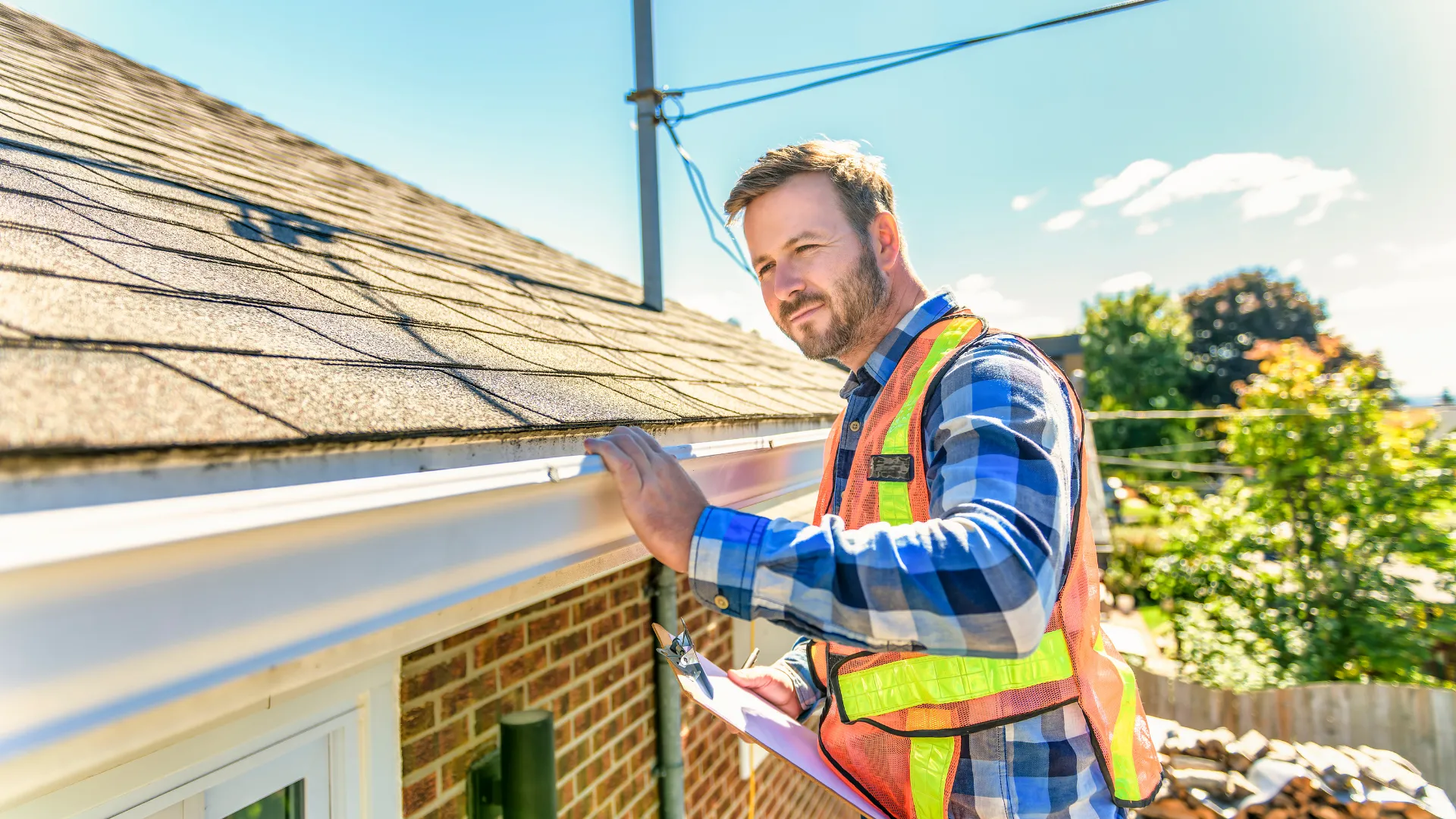
Roof Inspection Near Me: Before Buying in Rancho Mirage
Roof Inspection Near Me: Should You Have the Roof Checked Before Buying in Rancho Mirage?
Yes — separately from the home inspection. California defines a home inspection as a noninvasive examination, and a roof is the one part of a desert house where the condition that matters is not visible from the surface. Dove Roofing and Construction assesses roofs for buyers across Rancho Mirage, CA.
By David Berumen, Owner · Last updated November 2026
What the home inspector's report does and does not cover
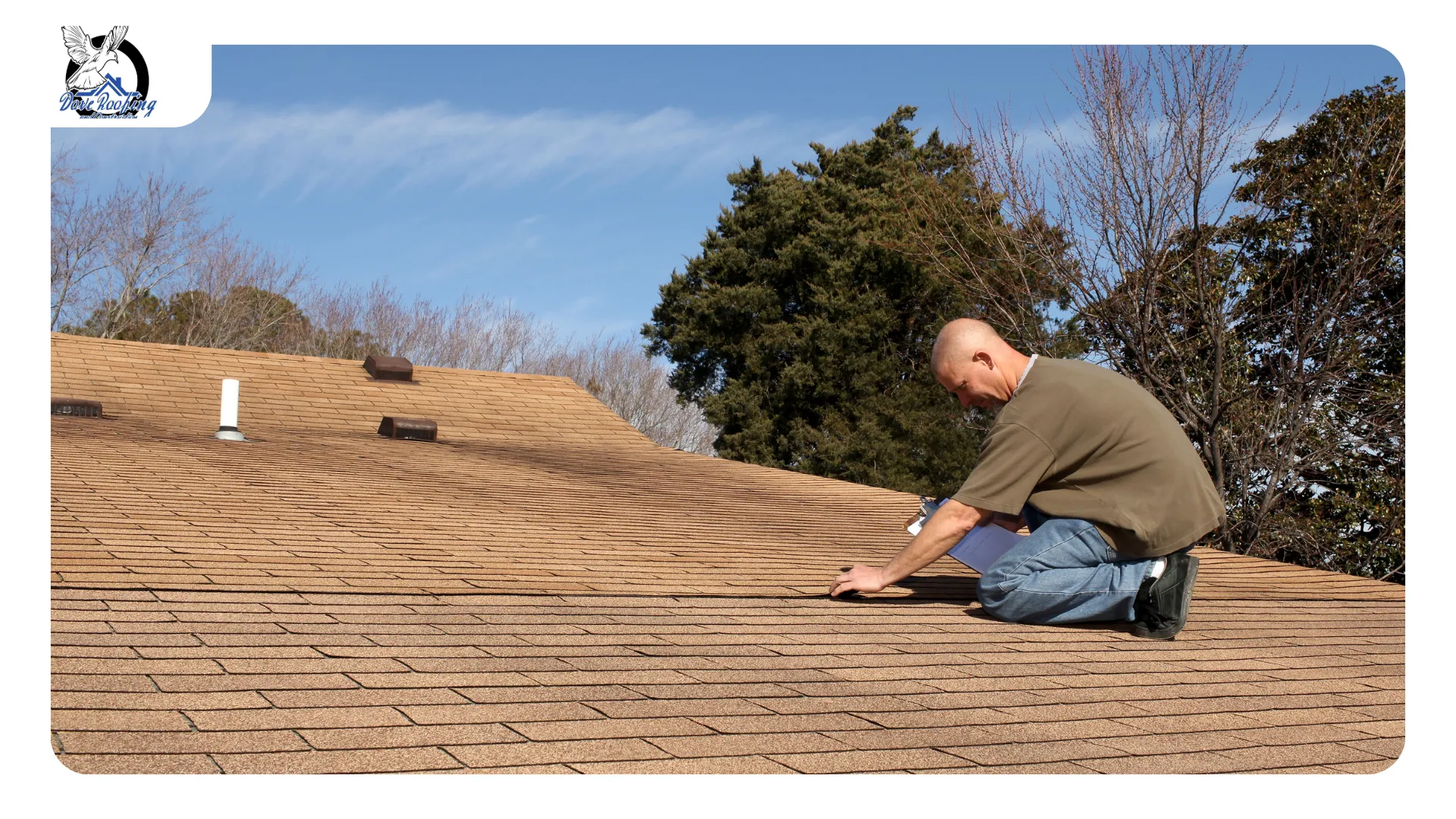
Nothing against home inspectors — they do a genuinely useful job, and the limitation here is written into the statute rather than being anyone's shortcoming.
Under California Business and Professions Code §7195, a home inspection is defined as "a noninvasive, physical examination, performed for a fee in connection with a transfer" of residential property, aimed at identifying material defects. Two things follow from that wording.
Noninvasive means nothing gets opened. No core cut, no lifted tile, no probe into the foam. On a pitched asphalt roof that is a reasonable constraint, because most of what matters is on the surface. On a desert flat roof it rules out the only methods that answer the question.
The roof is not named in the definition. Read the statute's list of what a home inspection covers and the roof appears only inside the optional energy-efficiency item, as insulation R-values. Most inspectors do look at it anyway, as a matter of practice and professional standards — but the depth varies, and many will not walk a tile or foam roof at all, for sound reasons: walking tile wrong cracks it, and walking a foam roof wrong marks the coating.
Which is why so many Coachella Valley inspection reports end the roof section with a line recommending evaluation by a licensed roofing contractor. That line is not boilerplate. It is the inspector correctly saying this is outside what the statute asked them to do.
One more distinction worth knowing while you are reading a report: §7195 defines a home inspector as "any individual who performs a home inspection." California does not license the trade. Roofing is the opposite — a C-39 classification requires examination, bonding and workers' compensation coverage, all verifiable in seconds at the CSLB license lookup.
How much life is left in a foam or flat roof?
The honest answer is that you cannot tell by looking, and this is the single most expensive misjudgement a buyer makes out here.
A spray foam roof that was recoated two years ago and one that is four years overdue look broadly similar from the ground. Both are white-ish. Both are flat. The difference between them is a recoat and a full replacement — and that gap is most of the roof's value.
What actually measures it:
Coating thickness. The coating is the sacrificial layer protecting the foam from UV, and its remaining thickness is the clock. Chalking — a powdery residue that comes off on your hand — means it is thinning. Where the coating has worn through entirely, the foam underneath is exposed and the countdown is different.
Moisture in the foam. This is the one that decides recoat versus replace. Closed-cell foam that has stayed dry does not really wear out; foam that has taken on water cannot be coated back to health and has to be cut out. Finding it requires an infrared scan, a moisture meter, or core cuts — all of which are, by definition, beyond a noninvasive inspection.
Drainage history. Staining patterns, debris lines and silt deposits show where water has been sitting. Standing water on a low-slope roof is what converts small defects into large ones, and the evidence of years of it is readable even on a dry day.
Penetration and transition detail. Pipe boots, curbs, skylights, parapet terminations and roof-to-wall junctions are where these roofs leak first.
For tile, the equivalent question is different: the tile lasts 50-plus years while the underlayment beneath gets 20 to 25, so what matters is the age of the underlayment, not the tile you can see. Our roof lifespan by material guide sets out the ranges, and the tile, foam and coating comparison covers how each system ages here.
What a proper roof assessment covers
A useful report is one you can hand to a seller's agent and negotiate from, which means it needs to be specific rather than adjectival.
What should be in it:
System identification and apparent age — what the roof actually is, and where it sits in its service life
Coating condition with measurements on foam or coated roofs, not just "appears worn"
Moisture findings and the method used to get them
Deck condition where it can be assessed
Every penetration, curb and transition noted individually with its condition
Drainage assessment — drains, scuppers, ponding evidence, slope adequacy
Dated photographs of each finding, keyed to a roof plan
A clear conclusion: remaining life, what it needs now, what it needs within five years, and estimated cost for each
That last line is what makes it negotiable. "Roof shows wear" moves nothing in a transaction. "Coating is at end of life, recoat needed within 12 months, estimated $X" is a number both sides can talk about.
The general service inspection we run for owners is described in our Rancho Mirage roof inspection guide — a pre-purchase assessment is a different document with a different purpose, written to be read by someone deciding whether to buy.
The second-home problem
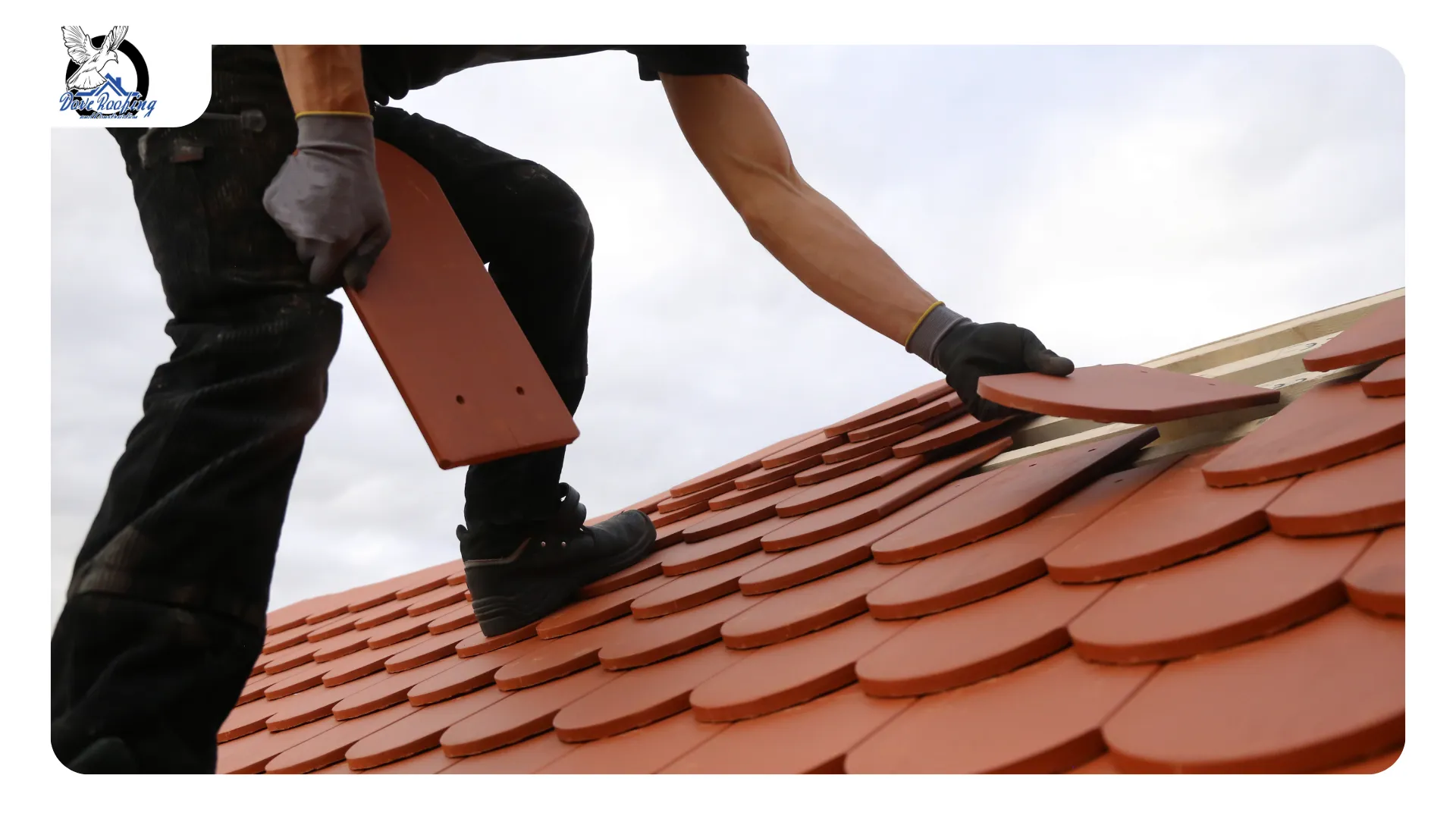
This matters more here than almost anywhere, and it is worth thinking about before you buy rather than after.
A large share of Rancho Mirage and Indian Wells property is seasonal. The owner arrives in November and leaves in April. The roof, meanwhile, goes through the hardest part of its year — 120-degree surface temperatures, monsoon storms, pass winds driving sand — with nobody in the house.
The consequence is a timing mismatch. A leak that starts in July is not discovered until the owner returns in autumn, by which point water has been in the assembly for months. The same defect in an occupied house gets noticed the first time it rains and costs a fraction to fix.
What this means practically for a buyer:
The roof's condition matters more on a seasonal property, because the margin for catching problems early is gone. A roof with five years left in it is a different proposition on a house that is watched year-round than on one that sits empty all summer.
Budget for scheduled maintenance from day one. On a seasonal property, twice-yearly visits are not optional upkeep — they are the only inspection the roof gets. Clearing drains and scuppers before monsoon season is the one task that prevents the expensive failure mode.
Find out what the seller actually did. Ask for maintenance records and recoat dates. On a foam roof, knowing when it was last recoated is worth more than any visual assessment.
What it costs and how long it takes
A pre-purchase roof assessment on a typical single-family property takes roughly one to two hours on site, depending on roof size, complexity and how many separate planes there are. A written report with photographs follows, normally within a day or two — fast enough for most inspection contingency periods, though it is worth booking early in yours rather than late.
A moisture survey on a foam or flat roof adds time and may add cost, depending on method. It is also the part most worth having, because it is what distinguishes a recoat from a replacement.
Where the roof turns out to need work, the figures in our Rancho Mirage roof replacement cost guide give a starting point for what you are negotiating about.
Where we assess roofs around the valley
We cover Rancho Mirage along the Highway 111 corridor and the neighbourhoods either side of it — Thunderbird Heights, Magnesia Falls Cove, Tamarisk, Mission Hills, Rancho Las Palmas and The Springs — plus Indian Wells, Palm Desert, and Cathedral City. ZIP codes 92270 and 92210.
Being based in Palm Springs means we can usually get out within an inspection contingency window rather than after it has closed, which on a transaction is the part that matters.
Dove Roofing and Construction holds California contractor license #871103 with the C-39 Roofing classification. Completed valley work is in our project portfolio, and ongoing care is covered on our roof maintenance and cleaning page.
Frequently asked questions
Before buying here, what should be looked at on the roof?
System type and apparent age, coating condition on foam or coated roofs, moisture in the assembly, deck condition, every penetration and roof-to-wall transition, and drainage including evidence of past ponding. On a tile roof, the age of the underlayment rather than the tile — tile lasts 50-plus years while underlayment gets 20 to 25, so a sound-looking tile roof can still be at the end of its service life.
How do you tell how much life a foam or flat roof has left?
By measuring rather than looking. Remaining coating thickness is the clock on a foam roof, with chalking indicating it is thinning. Whether moisture has entered the foam decides recoat versus replacement, and finding that needs an infrared scan, a moisture meter or core cuts. Drainage history and penetration condition fill in the rest. None of these are possible within a noninvasive home inspection.
What does a proper look at a roof actually cover?
A written report identifying the system and its apparent age, measured coating condition, moisture findings with the method used, deck condition, every penetration and transition noted individually, a drainage assessment, dated photographs keyed to a roof plan, and a clear conclusion stating remaining life, what is needed now, what is needed within five years, and estimated cost for each. The costed conclusion is what makes it usable in a negotiation.
Is this worth doing on a second home you only use part of the year?
More so, not less. A seasonal property goes through summer heat, monsoon storms and pass winds unoccupied, so a leak starting in July is not found until the owner returns in autumn — months of water in the assembly instead of days. The roof's condition carries more weight on a house nobody watches, and scheduled maintenance from day one is effectively the only inspection it will get.
What does it cost, and how long does it take?
Roughly one to two hours on site for a typical single-family property, with a written photographic report normally following within a day or two — fast enough for most inspection contingency periods, though worth booking early in yours. A moisture survey on a foam or flat roof adds time and may add cost, and is the part most worth having, since it is what separates a recoat from a replacement.
Visit or Call Us
Dove Roofing and Construction
Adress:P.O. Box 289 Palm Springs, CA 92263
Phone: (760) 702-7633
Hours: Mon–Sat 7am–7pm · Sun Closed
License: #871103 (C-39)
Serving Rancho Mirage and surrounding areas including Indian Wells, Palm Desert, Cathedral City, and Palm Springs.
