Roof Installation in Cathedral City, CA | Dove Roofing
Roof Installation Near Me: What a Cathedral City Re-Roof Actually Involves
Dove Roofing and Construction installs new roofs across Cathedral City — tile, foam, metal, and shingle — from our base in Palm Springs, about ten minutes down Ramon Road. We are a licensed California roofing contractor (License #871103, C-39), and every install starts with a free on-the-roof inspection and a written scope before anyone pulls a single tile.
By David Berumen, Owner of Dove Roofing and Construction · Last updated October 2026
What is involved in a roof installation?
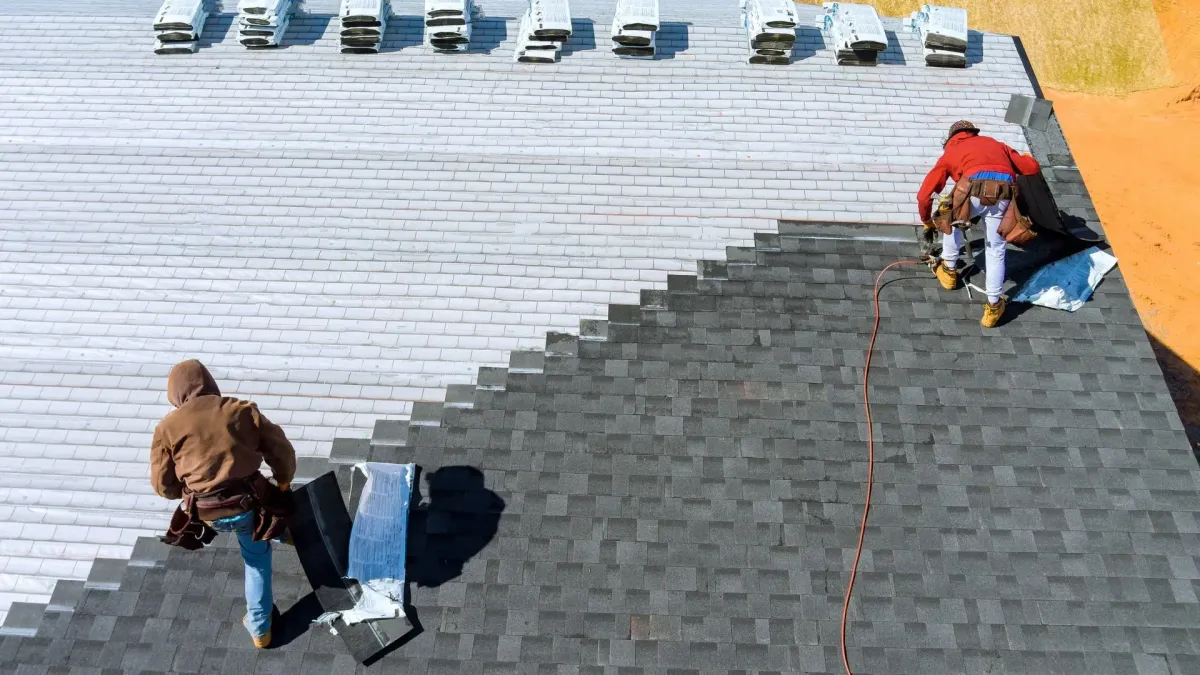
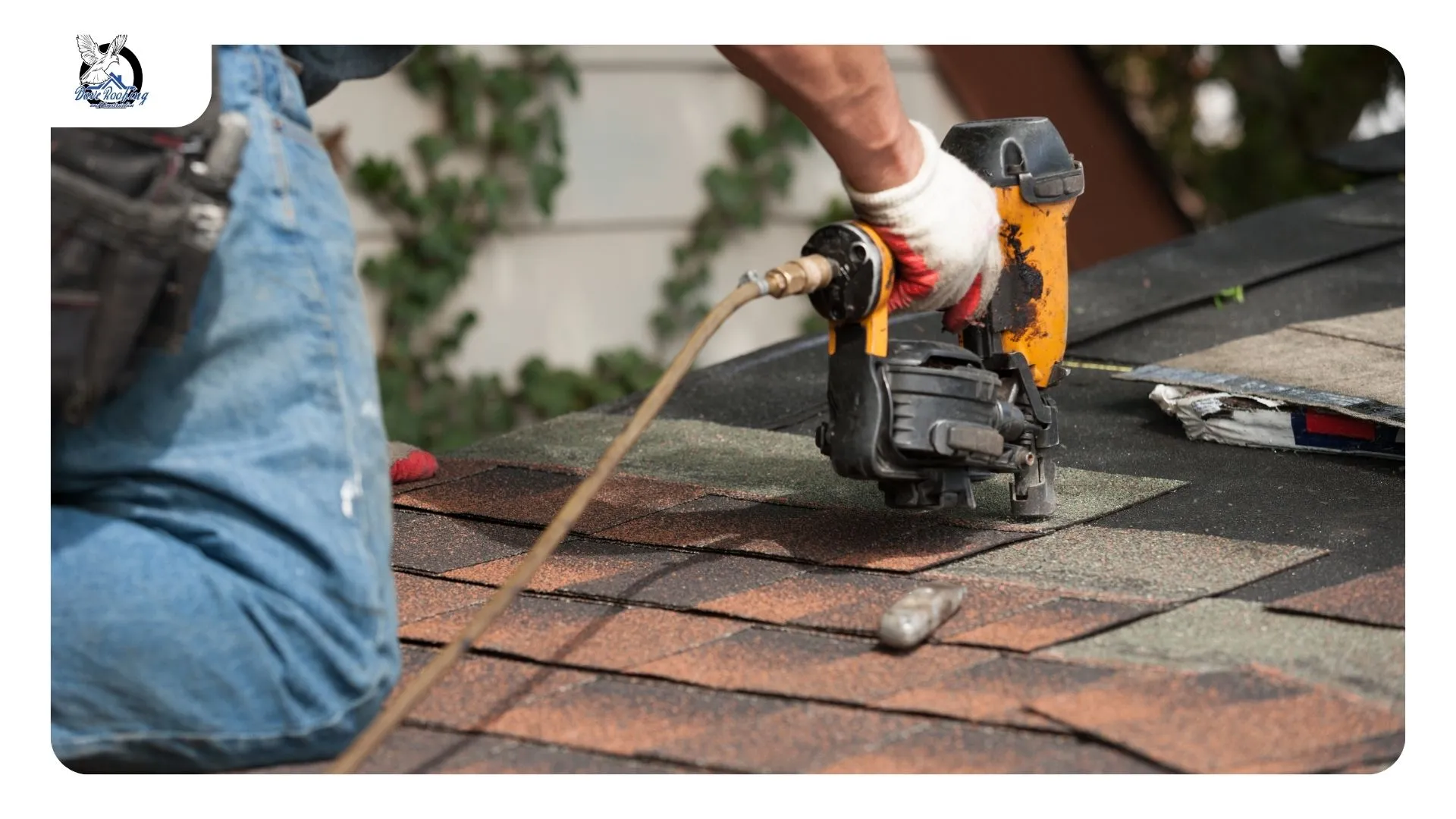
A full roof installation in Cathedral City runs in six stages: permit, tear-off, deck inspection and repair, underlayment, the roof covering itself, then the city's final inspection. On a typical single-family home the work takes one to three days once materials are on site — but the permit and inspection calendar, not the crew, usually decides your start and finish dates.
What that looks like in practice:
Inspection and written scope. We get on the roof, measure, and document what is actually failing. You get an itemized estimate before anything is scheduled.
Permit. Pulled with the City of Cathedral City before work begins. This is not optional, and it is not something to skip to save a few days — an unpermitted re-roof surfaces at resale.
Tear-off. Old covering comes off in sections, with ground protection and a debris plan. This is when the roof is most exposed, which is why we do not open more than we can dry in.
Deck inspection and repair. The sheathing is visible for the only time in 20 years. Rot, delamination, and undersized or missing sheathing get fixed now.
Underlayment. The actual waterproofing layer. More on this below, because in this climate it matters more than the material you can see from the street.
Covering, flashing, and cleanup. Tile, foam, metal, or shingle, with flashing at every penetration, valley, and wall intersection — then a full magnet sweep for nails.
Our new roof installation page covers the material options in more depth; if you are still deciding between repair and replacement, start with roof repair.
Is a tear-off better than roofing over the old roof?
In almost every Cathedral City case, yes — a full tear-off is better. California code (CRC R908.3.1.1 / CBC 1511.3.1.1) does not permit a recover over a roof that already carries two or more layers of covering, over a water-soaked or deteriorated deck, or over most tile assemblies. Beyond code, an overlay hides exactly the thing you need to see: the deck.
The real argument against roofing over is that it buys a few thousand dollars today and costs you the deck later. Roofing over means nobody looks at the sheathing. It also means the new covering is fastened through an old one, adds dead load the framing was not designed for, and traps heat in an attic that is already running hot for half the year.
That is the normal outcome on an older desert home. You do not find out the sheathing is gone until the old roof is off — and if you had gone with an overlay, you would not have found out at all.
One more thing to plan for: once more than 50% of a home's roof surface is being replaced, California's Title 24 cool roof requirements apply to the new covering, and the product has to be rated and labeled by the Cool Roof Rating Council. A partial overlay sometimes gets argued around that; a real re-roof does not. We spec compliant materials from the start rather than discovering the problem at inspection.
What underlayment is used on a desert roof?
Underlayment is the layer most homeowners never think about and the layer that most often fails first here. On a tile roof it is not a backup — it is the waterproofing. The tile is a UV shield and a rain screen; the water that gets past it is stopped by what is underneath. When a 25-year-old tile roof starts leaking, the tile is usually fine and the underlayment is cooked.
What we use and why:
High-temperature self-adhered (SBS-modified) membrane at eaves, valleys, and around penetrations. These are the spots that see the most water and the most movement, and a peel-and-stick membrane seals around fasteners instead of just sitting under them.
Synthetic underlayment over the field on most installs. It tolerates heat and UV exposure far better than felt during the days it sits open, and it does not wrinkle or tear the way saturated felt does when crews are walking it in 105-degree heat.
Heavier-weight felt where a specific tile assembly or manufacturer warranty calls for it.
Roof surface temperatures here run well above air temperature through the summer — a deck that sees 160°F-plus is routine. Standard organic felt dries out, loses its oils, and goes brittle under that cycle years before the tile above it wears out. That is why a tile roof in Cathedral City is often a lift-and-relay job rather than a full replacement: we carefully remove and stack the existing tile, replace the underlayment and flashing underneath, and set the same tile back down. Same waterproofing life, a fraction of the material cost.
If your roof is low-slope or flat, the whole conversation changes — see specialized roofing systems for foam and membrane assemblies.
Tile and foam roof installation in Cathedral City
Cathedral City housing stock splits cleanly, and so does the right answer.
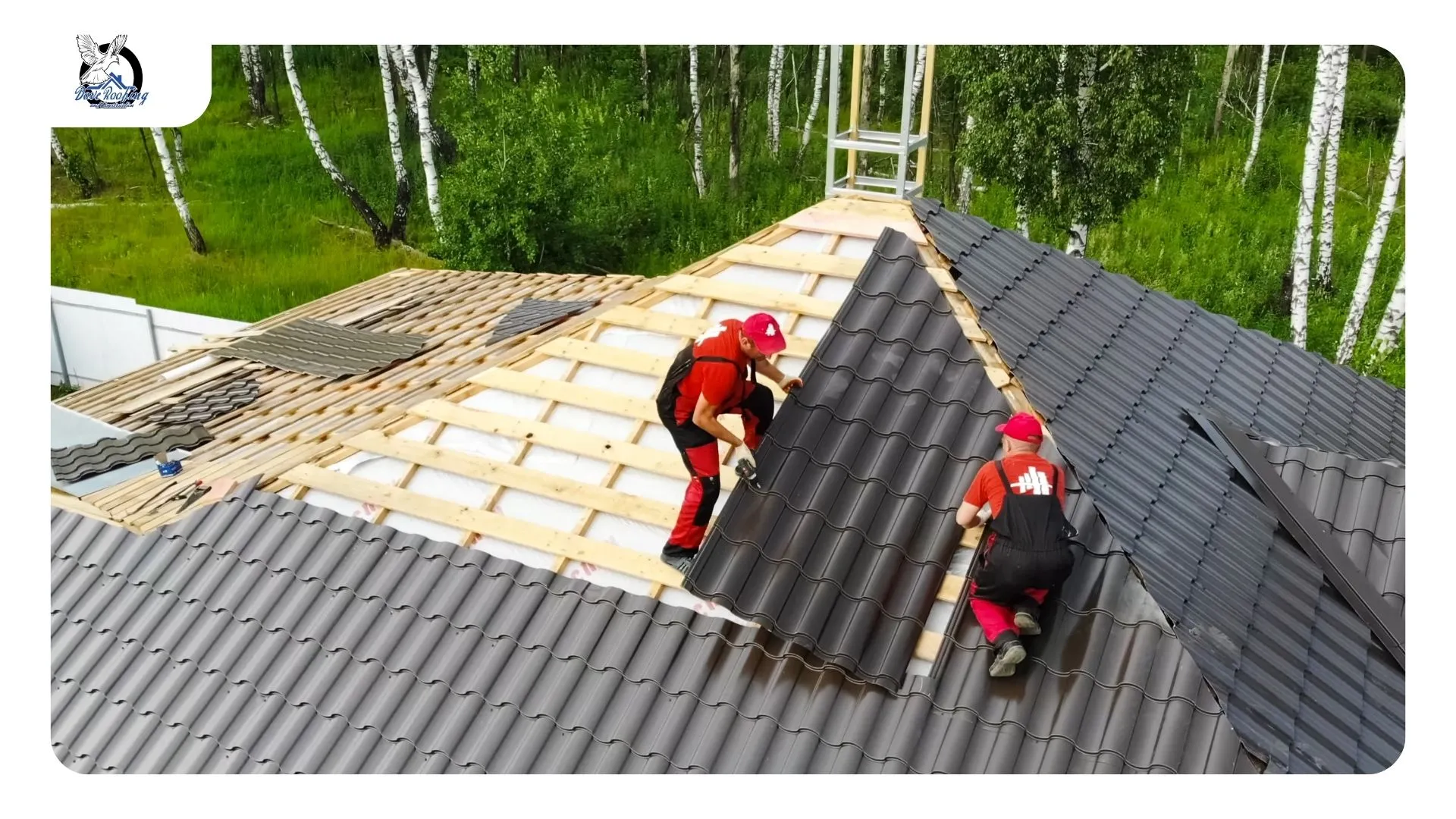
Tile — concrete or clay — is the default across the newer tract and HOA neighborhoods, and it is the right call where the roof is pitched, the HOA has a standard to match, and the homeowner wants a 40-to-50-year covering. The tile itself outlives everything else on the roof; the underlayment, flashing, and fasteners are what we are really installing.
Foam (SPF) with a reflective topcoat belongs on the flat and low-slope roofs — the mid-century homes, the additions with near-flat sections, and the many homes here that are tile in front and flat behind. Foam is seamless, self-flashes around every penetration, insulates as part of the covering, and is renewable: recoat it on schedule and the base system keeps going instead of being torn off.
Plenty of Cathedral City homes need both on the same job, which is where the tie-in detail between the pitched and flat sections becomes the whole project. That transition is the single most common leak point we open up on mixed-roof homes, and it is worth asking any contractor how they intend to detail it.
Wind is the other local factor. Cathedral City sits in the path of the air that funnels down through the San Gorgonio Pass, and fastening schedules, edge metal, and ridge detail have to be specified for that — not for a calm coastal install.
Permits and inspections: the Cathedral City scheduling reality
This is the part that surprises homeowners, and it is genuinely specific to this city.
The City of Cathedral City Building & Safety Division at 68700 Avenida Lalo Guerrero issues the permit and runs inspections. The department is open Monday through Friday, 8:00 a.m. to 4:30 p.m. — but inspections only run Monday through Thursday. There are no inspections on Fridays. Inspection windows are coordinated by calling (760) 770-0340 between 7:00 and 7:30 a.m. on the day of the inspection.
Practically, that means a re-roof that needs a mid-job inspection cannot be scheduled to land that inspection on a Friday without stalling the job over the weekend with the roof partially open. We build the schedule backwards from the inspection calendar. Any contractor who promises you a start date without mentioning inspections has not thought about it.
Where we install roofs in Cathedral City
We work across the city — the Cove and the hillside streets below the ridge, Panorama, Dream Homes, the Century Park and Rio Vista neighborhoods, the Date Palm Drive and Ramon Road corridors, and the newer tracts out toward the Thousand Palms side.
We also install roofs throughout the valley: Palm Springs, Rancho Mirage, Palm Desert, and Indian Wells, plus the wider Riverside and San Bernardino County service area. For the full picture of what we do in this city, see our Cathedral City roofing page, or browse completed installs in the portfolio.
Frequently asked questions
What actually happens during a roof installation?
Permit, tear-off, deck inspection and repair, underlayment, covering and flashing, then final city inspection. Most Cathedral City homes take one to three days of crew time, though the permit and inspection calendar often sets the overall timeline. You get a written scope before the first day.
Is a full tear-off better than roofing over the existing roof?
Almost always. California code bars a recover over two existing layers, over a deteriorated deck, or over most tile assemblies. More importantly, an overlay means nobody ever looks at your sheathing — and on older desert homes, damaged sheathing is common and only visible once the old roof is off.
What underlayment do you use, and why does it matter in this heat?
High-temperature self-adhered membrane at eaves, valleys, and penetrations, with synthetic underlayment across the field. Under tile, the underlayment is the actual waterproofing layer. Standard felt goes brittle under desert deck temperatures years before the tile above it wears out, which is why most tile roof failures here are underlayment failures.
Do we need to move out or stay off the property during the work?
No. You can stay in the home. Expect noise and vibration during tear-off and fastening, debris and equipment in the driveway, and a request to move vehicles. We keep walkways clear, protect landscaping and AC units, and magnet-sweep for nails at the end of each day.
Do you offer free roof estimates?
Yes. Inspections and written estimates are free, with no obligation. We get on the roof, document what we find, and give you an itemized number — including an honest call on whether you need a full installation yet or a repair will hold.
Visit or Call Us
Dove Roofing and Construction
Adress: P.O. Box 289 Palm Springs, CA 92263
Phone: (760) 702-7633
Hours: Mon – Sat: 7am – 7pm | Sun: Closed
License: #871103
(CSLB C-39)
Serving Cathedral City and the Coachella Valley, including Palm Springs, Rancho Mirage, Palm Desert, Indian Wells, and Thousand Palms, plus Riverside and San Bernardino Counties.
