Roofing Near Me: How Heat Ages a Palm Springs Roof
Roofing Near Me: How Heat Ages a Palm Springs Roof
It is not the heat that kills a desert roof. It is the swing. A Palm Springs roof surface can climb far above the air temperature by afternoon and drop back overnight, every day, for decades. Everything on the roof expands and contracts through that cycle, and the failures show up where two different materials meet.
By David Berumen, Owner · Last updated November 2026
It is the swing, not the peak
A 110-degree afternoon is not, by itself, what ends a roof. Roofing materials are manufactured to survive high temperatures.
What they are less good at surviving is doing it every day. The roof surface heats far beyond ambient under direct sun, then sheds that heat overnight as desert temperatures fall. That is one full expansion and contraction cycle, and Palm Springs delivers several thousand of them over the life of a roof.
Every material on your roof moves through that cycle at its own rate. Metal moves a lot. Concrete and clay tile move very little. Sealants and membranes move somewhere in between, and lose elasticity as they age. Wood decking moves differently again.
Which leads to the thing that actually matters.
Why the failures start at the joints
If two materials with different expansion rates are fastened together, something has to give at the junction. Do that a few thousand times and the joint opens.
That is why desert roofs almost never fail in the open field. They fail at:
Flashing against stucco or masonry. Metal and wall move at different rates. The seal between them works loose, and water follows.
Mortar at ridge and hip caps. Rigid mortar bonded to tile that is cycling daily — the mortar cracks, and the caps loosen.
Membrane against metal edge. The termination bar and drip edge on a low-slope roof are where single-ply systems let go first.
Sealants at penetrations. Every pipe boot, every curb, every pitch pocket. Sealant is the shortest-lived component on the roof and it sits at the most movement-prone locations.
Fastener holes in underlayment. The membrane shrinks slightly as it ages and tears around the nails that hold it.
This also explains something homeowners find counterintuitive: a roof whose surface looks perfect can leak in several places. The tile is fine. The joints are not. Our guide to where roof leaks start follows the same logic from the inside out.
What the cycle does to each system
Tile. The tile itself is essentially inert — it does not rot or degrade in UV, and lasts 50 years or more. The underlayment beneath it is the casualty. It bakes in a hot attic environment, goes brittle, and tears around fasteners, typically at 20 to 25 years. That gap is why tile roofs need a lift-and-relay rather than a replacement.
Spray foam. The foam is protected by an elastomeric coating that takes the UV so the foam does not have to. The coating thins, chalks, and eventually wears through — fastest on south and west exposures and anywhere wind-driven sand scours it. Recoating on schedule resets it.
Single-ply membranes. Heat-welded seams and the flashing details are the failure points, not the field of the sheet. Ponding water at blocked drains accelerates everything.
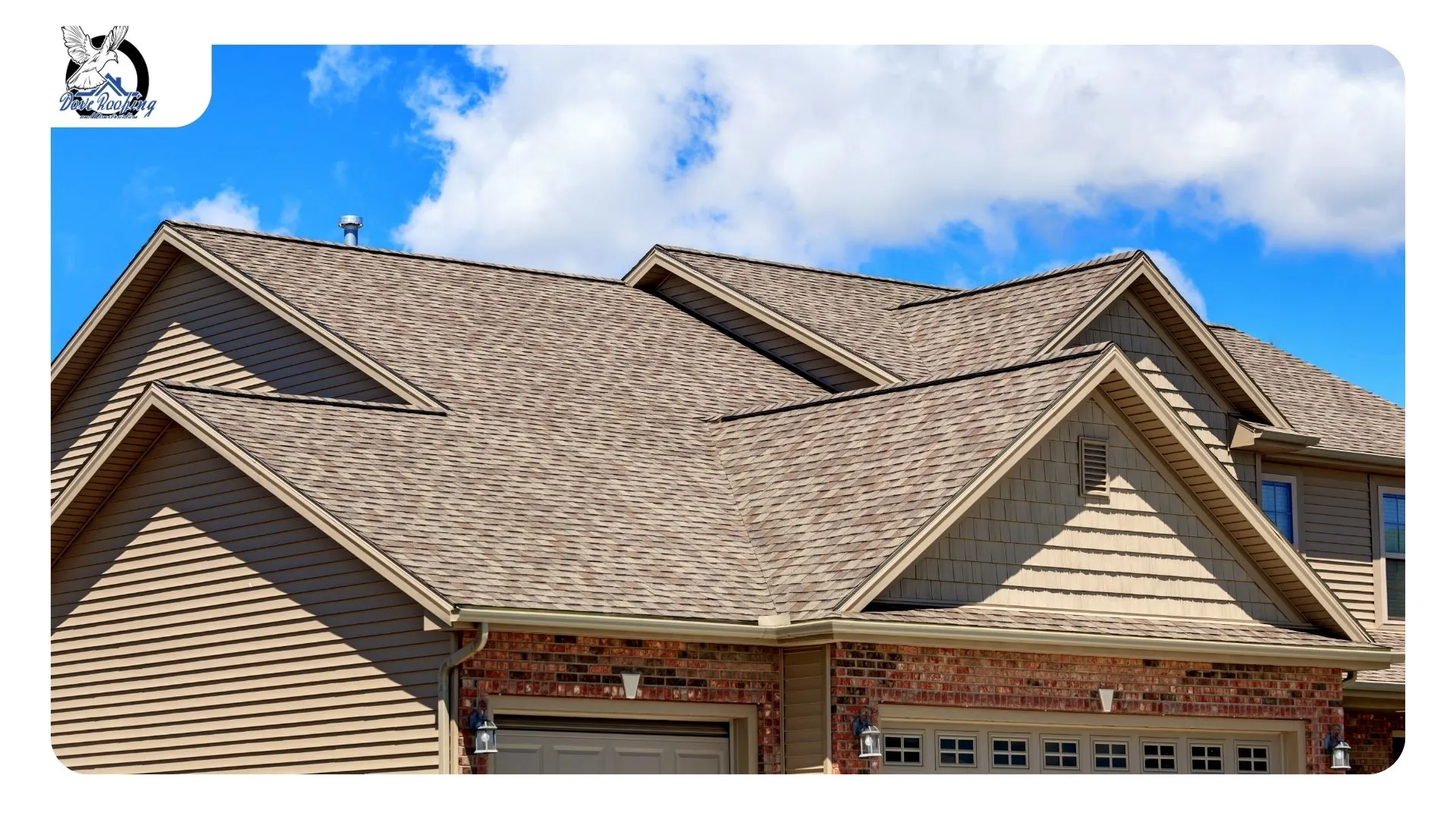
Asphalt shingle. The shortest desert life of the common systems, typically 15 to 20 years. UV drives granule loss and curling, and the sealant strips that bond one course to the next degrade.
Metal. The longest-lasting option here at 40 to 50 years, but the one that moves most. Panel movement works at fasteners and clips over time, which is why clip spacing and edge termination matter more on metal than on anything else.
More detail on each in roof lifespan by material and roofing materials for Southern California homes.
What actually extends roof life here
The honest answer to "which material handles the heat best" is that material choice matters less than most people expect, and three other things matter more.
Details and installation. Since failures concentrate at joints, the quality of the flashing, the termination details, and the penetration work determines when your roof needs attention. A well-detailed shingle roof outlives a badly detailed tile roof.
Reflectivity. A cooler surface cycles through a narrower temperature range, which slows everything above. Low-slope roofs in California must meet cool roof standards, with products rated by the Cool Roof Rating Council — and the aged rating is the number that matters, since dust and weathering reduce reflectivity over time. Palm Springs sits in Climate Zone 15, the state's hottest.
Maintenance on a cadence. Twice a year, before and after monsoon season. Clear the drains and scuppers of blown sand, check the flashing and sealant at every penetration, and address what is opening before it becomes a leak. Resealing a joint is cheap. Replacing wet decking is not.
Roofing services in Palm Springs
We handle roof repair, roof replacement, new installation, maintenance and soft-wash cleaning, skylights, and specialized low-slope systems — foam, single-ply and coatings — across residential and commercial properties.
On what it costs: the honest answer is that it depends on system, roof size and pitch, access, how many existing layers come off, and what the decking looks like underneath. Per-square-foot figures from a search result do not account for any of that. We publish ranges in our Palm Springs roof replacement cost guide and flat roof replacement guide, but every figure we put in writing follows an inspection.
We are based in Palm Springs and work throughout the city — Las Palmas and Vista Las Palmas, the Movie Colony, Deepwell, Sunmor, Racquet Club Estates, Warm Sands, and the Araby and Indian Canyons areas — in ZIP codes 92262 and 92264, plus Cathedral City, Palm Desert, and the valley. Some Palm Springs properties also fall under historic district or Class 1 site review, covered in our roof repair permit guide.
Dove Roofing and Construction holds California contractor license #871103 (C-39 Roofing), verifiable at the CSLB license lookup. Completed desert work is in our project portfolio.
Frequently asked questions
What roofing services do you offer in Palm Springs?
Roof repair including leak diagnosis, roof replacement and new installation, twice-yearly maintenance and soft-wash cleaning, skylight installation and repair, and specialized low-slope systems — spray foam, single-ply membranes and coatings — for both residential and commercial properties across Palm Springs and the Coachella Valley.
How much does a new roof cost in Palm Springs, CA?
It depends on the system specified, roof size and pitch, site access, how many existing layers come off, and the condition of the decking underneath. Per-square-foot averages found online account for none of those variables, which is why two quotes on the same house can differ substantially. Any figure given in writing should follow an on-roof inspection.
Foam, tile or single-ply: which suits desert heat best?
All three perform well, and the choice usually comes down to roof slope rather than heat. Foam and single-ply suit low-slope roofs, which much of mid-century Palm Springs has; tile suits pitched roofs and lasts longest. What matters more than the material is the quality of flashing and penetration detailing, because desert roofs fail at the joints rather than in the open field.
How long does a roof last in Palm Springs?
Asphalt shingle 15 to 20 years, concrete or clay tile 50-plus with the underlayment replaced every 20 to 25, spray foam 20 to 30 with periodic recoats, single-ply 20 to 25, and standing-seam metal 40 to 50. Daily thermal cycling and intense UV shorten most manufacturer ratings, and maintenance decides where in each range a roof actually lands.
Do you offer free roof inspections in Palm Springs?
Yes. Every visit starts with a free, no-obligation inspection from on top of the roof, followed by an itemized written estimate. There is no charge to find out what is wrong and no pressure to approve work.
Find out what your roof is doing
Most desert roof problems are cheap while they are still joints and expensive once they are leaks. Call Dove Roofing and Construction at (760) 702-7633 for a free inspection, or book a visit online.
Visit or Call Us
Dove Roofing and Construction
Adress:P.O. Box 289 Palm Springs, CA 92263
Phone: (760) 702-7633
Hours: Mon–Sat 7am–7pm · Sun Closed
License: #871103 (C-39)
Serving Palm Springs and the Coachella Valley including Cathedral City, Desert Hot Springs, Rancho Mirage, and Palm Desert.
