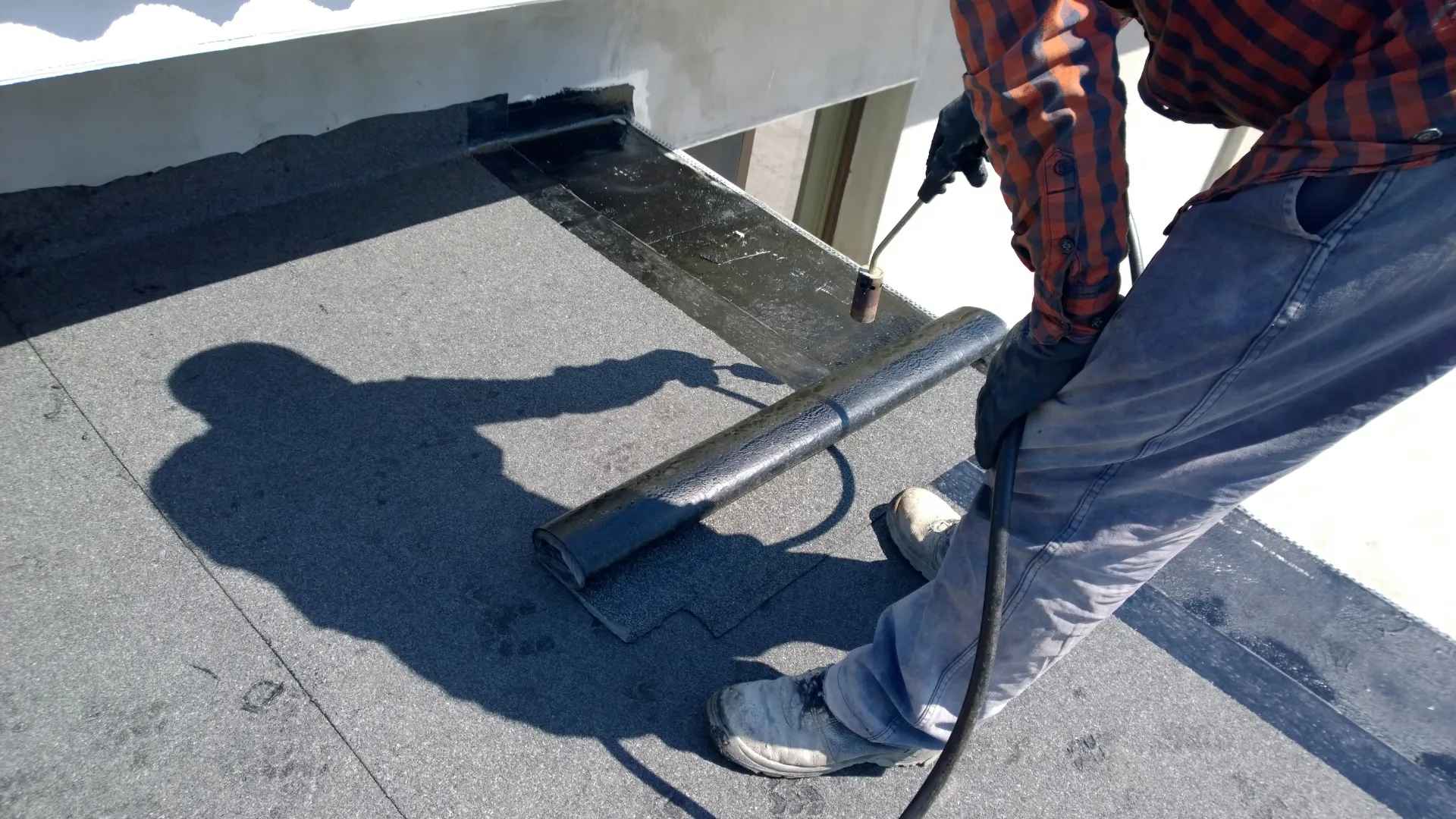
Is a Flat Roof Coating Worth It for a Palm Springs Roof?
A flat roof coating is worth it on a Palm Springs roof when the membrane underneath is sound, dry and still bonded. The coating adds a reflective, waterproof skin and extends the life of a roof that is aging but not failing. If the roof is soaked or sagging, replacement is the better call.
By David Berumen, Owner · Last updated November 2026
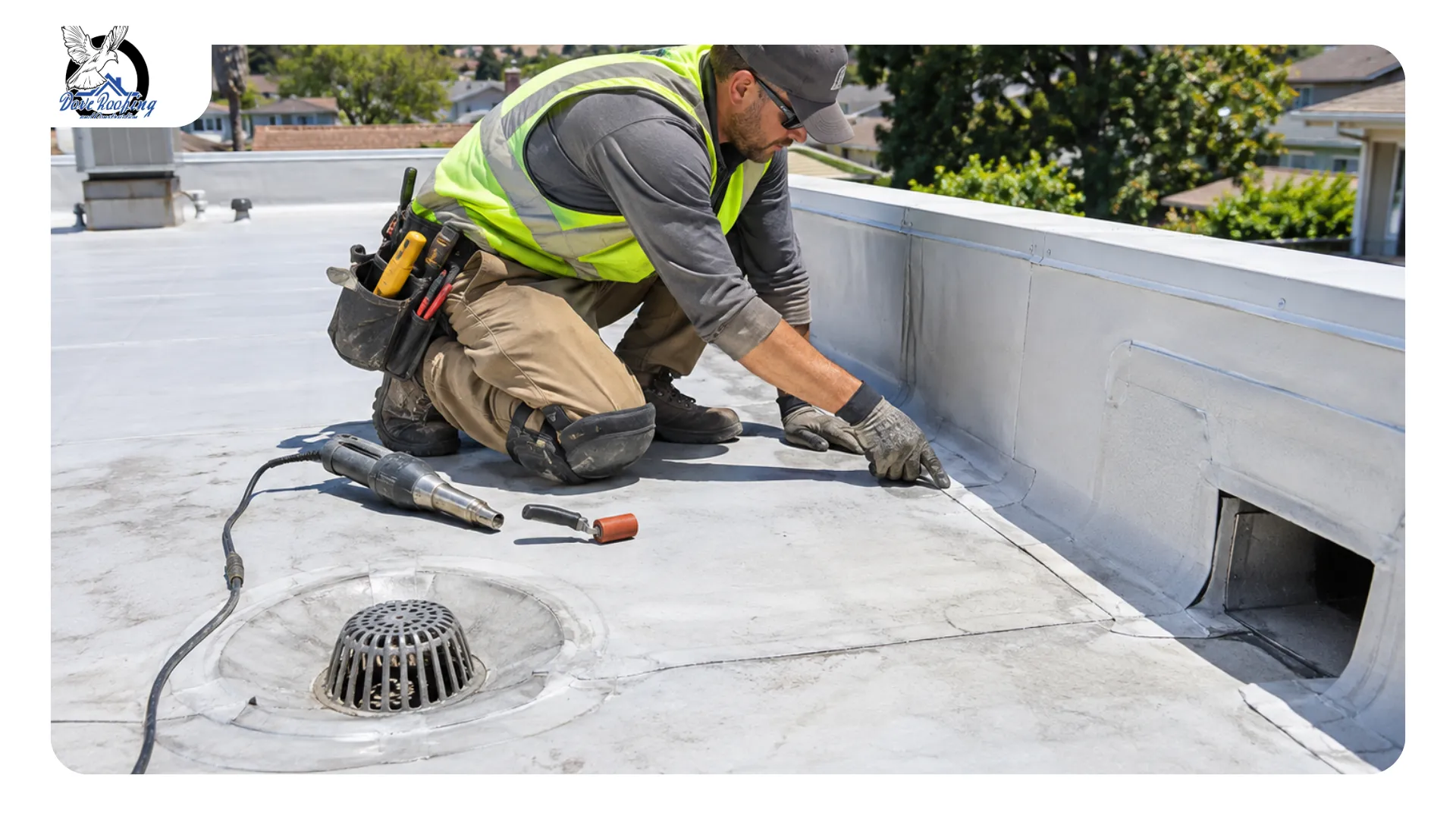
What is a flat roof coating and what does it do?
A flat roof coating is a liquid layer that cures into a joint-free, waterproof membrane on top of your existing roof. It seals small cracks, covers old seams and, when the color is white or light, reflects sunlight instead of soaking it up.
On the valley floor, that reflectivity is the main draw. A dark, aged roof bakes all summer, and the coating gives you a lighter surface without tearing anything off. It is not a magic fix for a roof that already leaks through the deck. It is a protective skin, and a skin only works on something healthy.
We install coatings as part of our specialized roofing systems, alongside foam, TPO and metal. If you are comparing whole systems rather than coatings, our tile versus foam comparison for Rancho Mirage covers that side.
Which coating types handle ponding water?
Silicone handles ponding water. Acrylic does not. According to a trade guide on roof coating types, acrylic coatings cannot withstand ponding water, while silicone coatings withstand long-term ponding.
That matters here because many flat roofs in Palm Springs and Palm Desert were built with almost no slope. Even a lazy low spot holds water for days after a monsoon storm. If your roof has one, an acrylic or elastomeric coating is the wrong match unless the low spot is fixed first.
Here is how we explain the options to homeowners:
Coating | Handles ponding water | Notes |
|---|---|---|
Acrylic (elastomeric) | No | Needs application above 50 degrees F |
Silicone | Yes | Few materials bond over it later, so plan for that |
Asphaltic rubber | Depends on system | Applied from 20 to 200 mils dry |
One caution on marketing. Manufacturers say silicone "withstands permanent ponding water without softening," as GACO states for its silicone system, but no depth or duration is given. Treat that as a claim, not a guarantee, and ask any contractor how long water is allowed to sit.
Our opinion: coating over ponding water is a gamble even with silicone. We prefer to correct the low spot first so water runs to the drain.
Can you coat over an existing roof, and what must be true first?
Yes, you can coat over an existing roof, but only if it passes four checks first.
The membrane is dry. Trapped moisture under a coating blisters it. We test before we quote.
It is bonded. Loose or lifting areas get cut out and repaired.
It is clean. Sand, dust and oxidized residue stop a coating from sticking, so we wash the roof first.
Leaks and seams are fixed. A coating covers small cracks. It does not rescue open seams or failed flashing.
Application timing matters too. Acrylics need to go on above 50 degrees F, which is rarely a problem in the desert but can be on a winter morning in Yucca Valley or Joshua Tree. And if you ever want to switch coating types later, remember that only a few materials can be applied directly over silicone. Pick the product you are willing to live with.
If you are working out how to apply roof coating yourself, a safe summary is clean, repair, prime if the manufacturer requires it, then roll or spray the specified thickness in coats. The thickness and cure time are printed on the product data sheet, and following them is what makes a coating last.
Does a cool-roof coating meet California's reflectance rule?
Not automatically, and the rule may not apply to your home. California's Title 24 sets cool-roof requirements for new nonresidential low-slope roofs: an aged solar reflectance of at least 0.63 and a thermal emittance of at least 0.75, or a solar reflectance index of at least 75. You can read the details on the California Energy Commission cool roofs page.
The scope is new construction. A homeowner recoating an existing residential roof is a different situation, so we check the current requirements and your city's permit rules before we quote. If you need a product that carries a rated reflectance, ask for the rating in writing.
When does a flat roof need a recoat instead of a replacement?
Recoat when the roof is dry and bonded. Replace when it is wet, sagging or repeatedly leaking.
Signs that point to replacement:
Soft or spongy spots when you walk the roof
Insulation that tests wet
Deck damage or rot
Several earlier coatings already stacked on top
Signs that point to a coating: surface cracking, faded or chalky color, small repairable leaks and a roof that is otherwise flat and firm. For a close look at what a full tear-off involves on an older flat roof, see our mid-century flat roof replacement in Rancho Mirage.
We serve homeowners across the valley, from Palm Springs and Cathedral City to La Quinta. You can see the Palm Springs service area page for details.
How much does a flat roof coating cost?
The price depends on roof size, coating type, repairs needed and how many coats the manufacturer specifies. Silicone, acrylic and asphaltic products differ, and prep work often decides the final number more than the product does.
The honest way to get a number is a free inspection and written estimate. We list what we will repair, which coating we recommend and why.
Frequently Asked Questions
What is elastomeric roof coating?
Elastomeric roof coating is a flexible, usually acrylic, liquid that stretches and shrinks with the roof as temperatures change. It cures into a joint-free waterproof layer. Because it is acrylic, it should not be used where water stands for long.
How much does roof coating cost?
Cost varies with roof size, coating type and the repairs needed first. We do not quote numbers without seeing the roof. A free inspection gives you a written estimate with each line item.
How to apply roof coating?
Clean the roof, repair seams and cracks, apply a primer if the manufacturer calls for one, then roll or spray the coating in the thickness listed on the data sheet. Acrylics should go on above 50 degrees F. Following the cure time between coats matters as much as the product itself.
How to apply silicone roof coating?
Silicone goes on over a clean, dry, sound surface using the manufacturer's specified thickness. Plan carefully, because only a few materials can be applied directly over a silicone surface later. Check the data sheet for primer and cure requirements.
What is the best silicone roof coating?
The best silicone coating is the one that matches your roof surface, your drainage and the manufacturer's data sheet. Compare the specified thickness, warranty terms and surface preparation rules, not just the brand. We recommend a licensed roofer review it before you buy.
How to coat a flat roof?
Inspect first, then dry, clean and repair the surface before any coating touches it. Fix low spots and failed seams. Then apply the chosen coating in even coats to the specified thickness. Skipping the inspection is the most common reason a coating fails.
Visit or Call Us
Call for a free roof inspection and written estimate.
Dove Roofing and Construction
P.O. Box 289, Palm Springs, CA 92263
Phone: (760) 702-7633
Email: [email protected]
Hours: Mon to Sat 7am to 7pm · Sun Closed
CA License #871103 (C-39)
