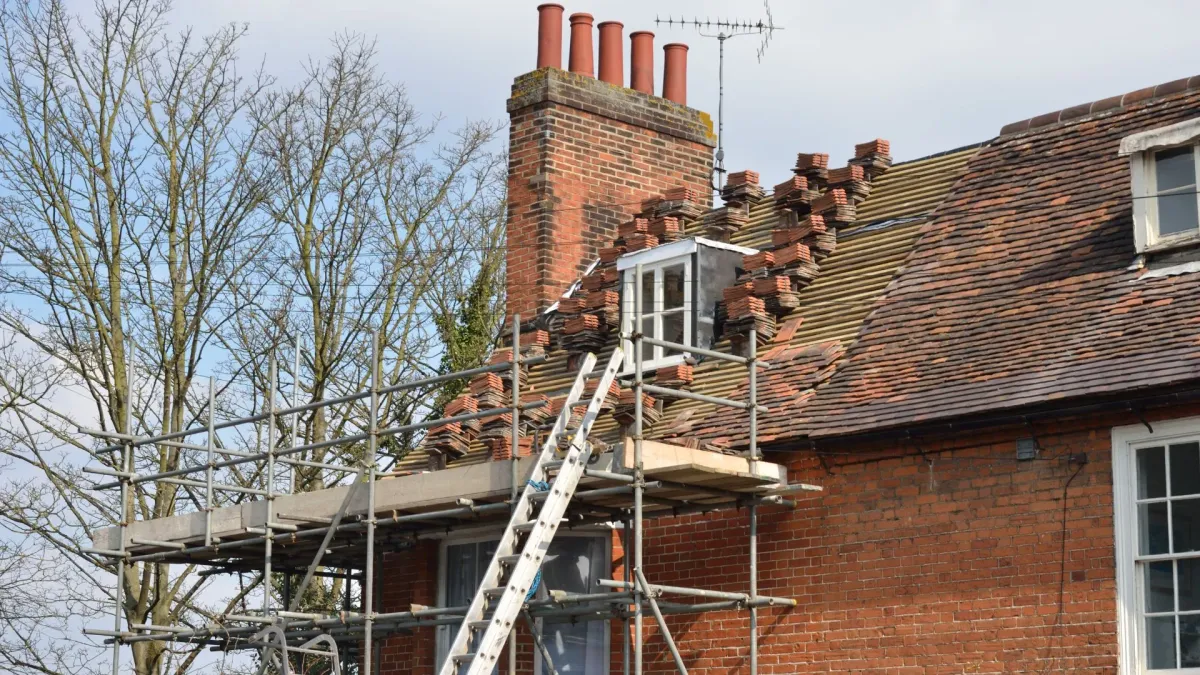
Foam Roof Repair in Cathedral City: Patch or Replace?
Foam Roof Repair in Cathedral City: Patch or Replace?
Almost always repair. A spray foam roof is the one system in the desert designed to be renewed rather than torn off — damaged areas get cut out and refoamed, and the surface gets recoated. Full replacement is only needed when the foam is saturated across large areas or the deck beneath has failed.
By David Berumen, Owner · Last updated October 2026
What actually fails on a foam roof
Understanding this makes every other decision obvious: on an SPF roof, the foam is not usually the problem. The coating over it is.
Spray polyurethane foam is applied as a liquid that expands into a seamless closed-cell layer, then covered with an elastomeric coating — acrylic, silicone, or polyurea. That coating is the sacrificial layer. It takes the UV, the heat cycling, and the wind-driven sand so the foam underneath does not have to.
Foam is excellent at keeping water out and terrible at surviving sunlight. Leave it exposed and Coachella Valley UV degrades it fast — the surface chalks, erodes, and starts shedding. So the entire maintenance question for a foam roof is whether the coating is still doing its job.
The usual failure points in Cathedral City:
Coating wear. Thins gradually, fastest on the south and west exposures and anywhere blown sand scours it.
Punctures. Foot traffic, dropped tools, HVAC service calls. Foam is firm but not armor, and a technician servicing a rooftop unit can open the system without noticing.
Birds. An underrated one out here. Birds peck at exposed or thinly coated foam, and a few pecks become open cells that hold water.
Ponding at drains and scuppers. Blown sand and debris block outlets, water stands, and standing water degrades some coatings far faster than others.
Parapet and flashing transitions. Where the foam meets a wall, a curb, or a skylight is where movement concentrates and coatings crack first.
The early signs your foam roof needs attention
Caught early, every one of these is a cheap fix. Ignored, they turn into saturated foam and deck repairs.
Chalky residue. Rub the surface and your hand comes away white. The coating is oxidizing and thinning.
Color change. Bright white fading toward tan or yellow means the coating is wearing through and foam is starting to show.
A pitted or orange-peel texture where the surface used to be smooth.
Visible dimples or small craters, often bird damage or hail-sized impacts.
Standing water more than a day or two after rain, especially at scuppers and drains.
Soft or spongy spots underfoot, which indicate the foam below has taken on water. This one is no longer cosmetic.
Interior staining, though on a foam roof this often appears long after the breach, because the closed-cell structure can hold water locally for a long time before it travels.
Most of this is visible from a twice-a-year look. Blocked drains and sand accumulation are the cheapest problems on this list to prevent, which is what roof maintenance and cleaning is for.
Repair, recoat, or replace — how we decide
Spot repair. For punctures, bird damage, and isolated breaches. We cut out the damaged foam back to dry material, refill it, then coat the patch and feather it into the surrounding surface so there is no hard seam. A handful of spots is an hour's work, not a project.
Recoat. When the foam is sound but the coating has run its course. The roof is cleaned, prepared, repairs made, and a fresh coating applied over the whole surface. This resets the clock. It is the single most important thing a foam roof owner can do on schedule, and it is why a well-maintained SPF roof can keep going for decades — recoated rather than replaced, with no tear-off and no landfill.
Replace. Reserved for foam saturated across large areas, foam delaminating from the deck, or structural deck damage underneath. Before recommending it we confirm the extent with core cuts or an infrared scan rather than guessing, because the difference between a recoat and a replacement is substantial and nobody should take that on faith.
Recoat intervals generally run 10 to 15 years, though the real driver is how many mils of coating went on originally and how much UV and sand that exposure gets. Silicone tolerates ponding better than acrylic. Our tile, foam and coating comparison goes further into recoat cycles, and spray foam roofing covers how the system performs in desert conditions generally.
One more thing worth knowing before any coating work: a recoat is a chance to improve reflectivity, and products carry ratings published by the Cool Roof Rating Council. California's cool roof standards apply to low-slope roofs, and Cathedral City sits in the state's hottest climate zone.
Can foam work be done in peak summer heat?
Partly, with real limits — and this is where an honest answer separates contractors.
Spray foam is a chemical reaction with a temperature window. In Coachella Valley summer the constraint is not cold, it is that a roof surface in midday sun can run far hotter than anything the manufacturer specified. Foam sprayed onto an overheated substrate rises too fast and sets up with poor cell structure, which undermines the whole point of the system.
Wind is the other limit. Overspray travels, and on a breezy day it lands on cars, pool surfaces, and neighboring properties. There is no cleaning it off.
What that means in practice: foam and coating work in July and August happens early, starting at first light and stopping when the surface gets too hot. Spring and fall are the better windows. Small emergency repairs can be done in most conditions because the patch area is small and manageable.
If a contractor offers to spray a full foam system on a Cathedral City roof at two in the afternoon in August, that tells you something.
Where we repair foam roofs in Cathedral City and the valley
We cover Cathedral City including the Cove, Panorama, Century Park, and Dream Homes, plus the commercial and light industrial buildings along Perez Road and the Date Palm Drive corridor, in ZIP code 92234. The city's mid-century housing stock has a high share of low-slope roofs, which is why foam and coating systems are so common here.
We are based in Palm Springs, minutes up East Palm Canyon, and also work in Palm Springs, Palm Desert, Cathedral City, and across the valley. Commercial buildings are covered under commercial roofing in Cathedral City, and full system options are on our specialized roofing systems page.
Dove Roofing and Construction holds California contractor license #871103 (C-39 Roofing), verifiable through the CSLB license lookup. Completed desert work is in our project portfolio.
Frequently asked questions
How long does a foam roof last in desert sun?
Twenty to thirty years, and longer with maintenance — because the foam itself does not have a fixed expiry the way a shingle does. What ages is the protective coating on top. Recoat it on schedule and the underlying foam keeps performing, which is why a maintained SPF roof can outlast its original installation estimate by a wide margin. Neglect the coating and UV reaches the foam, at which point the clock runs fast.
How often should a foam roof be recoated?
Generally every 10 to 15 years, though the real driver is the coating thickness originally applied and how much sun and wind-driven sand that roof gets. South and west exposures wear first. An inspection tells you more than the calendar does, and catching it before the coating wears through is far cheaper than after.
What are the early signs a foam roof is failing?
Chalky white residue on your hand, the surface fading from bright white toward tan, a pitted or orange-peel texture, small craters often caused by birds pecking exposed foam, standing water lingering more than a day or two at drains and scuppers, and soft or spongy spots underfoot. The soft spots mean the foam has taken on water and need attention promptly.
Is foam the right choice for a flat desert roof?
For most low-slope roofs in the Coachella Valley, yes. It is seamless, so there are no laps to fail, it adds insulation value in the roof assembly itself, it is highly reflective when coated, and it conforms around penetrations and parapets where other systems need flashing details. The trade-off is that it needs recoating on a cycle, and it requires an installer who understands the application limits. Where ponding is severe or rooftop foot traffic is constant, a single-ply membrane may suit better.
Can foam roof work be done during peak summer heat?
Small repairs, usually yes. A full foam application, not in the middle of a summer afternoon. Foam is a chemical reaction with a temperature window, and a roof surface in midday Coachella Valley sun exceeds what manufacturers specify, producing poor cell structure. Wind adds overspray risk to vehicles and neighboring property. Summer work starts at first light and stops when the surface gets too hot; spring and fall are better windows for a full system.
Visit or Call Us
Dove Roofing and Construction
Adress:P.O. Box 289 Palm Springs, CA 92263
Phone: (760) 702-7633
Hours: Mon–Sat 7am–7pm · Sun Closed
License: #871103 (C-39)
Serving Cathedral City and the Coachella Valley including Palm Springs, Rancho Mirage, Palm Desert, and Desert Hot Springs.
