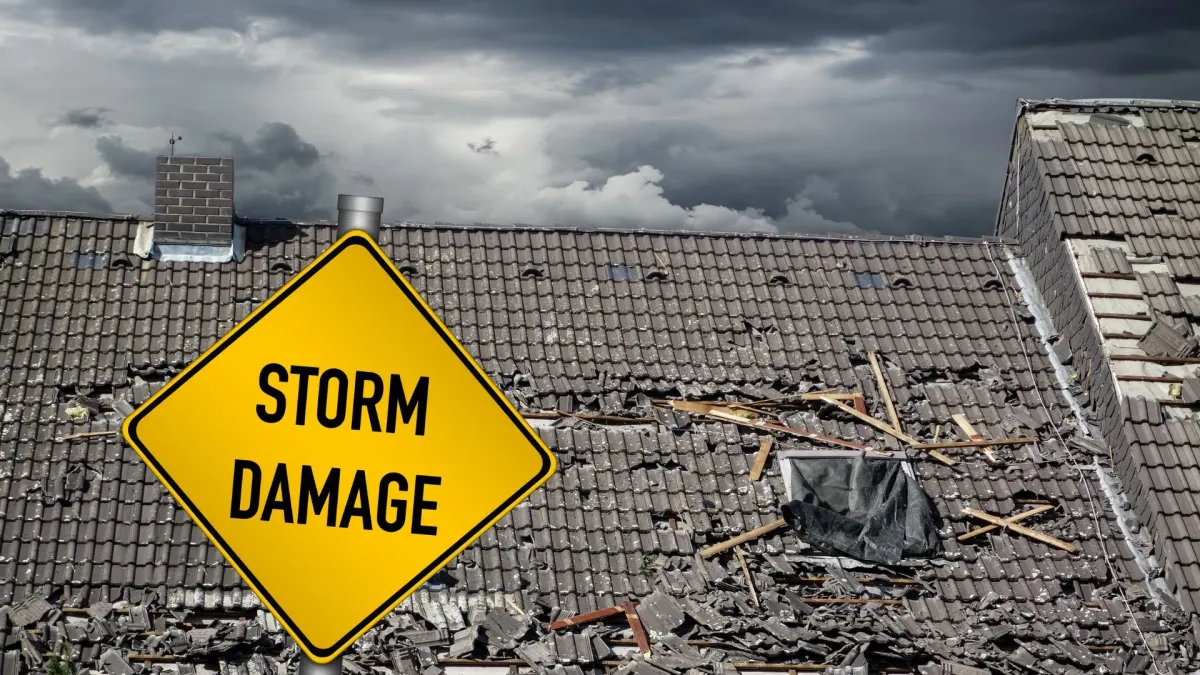
Storm Damage Roof Repair in Cathedral City: Start Here
Storm Damage Roof Repair in Cathedral City: What to Do First After a Monsoon
Photograph everything before you touch anything, contain water inside the house, call a licensed roofer for a same-day tarp if the roof is open, and notify your insurer. Do not climb onto a storm-damaged roof, and do not sign anything with someone who knocked on your door.
By David Berumen, Owner · Last updated October 2026
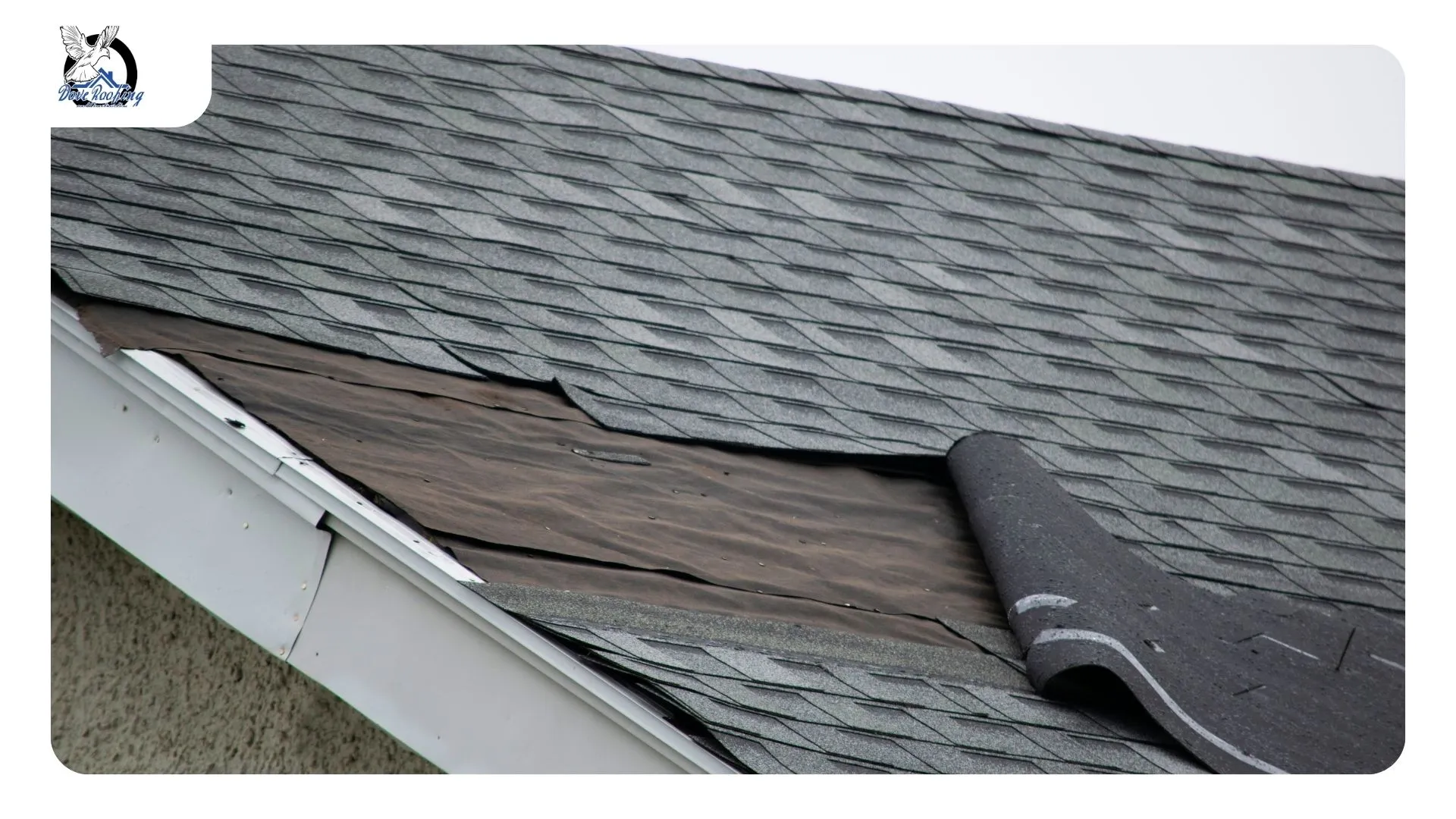
The first 48 hours, in order
Document before anything changes. Photograph the roof from the ground on every elevation, the yard, any debris, and every interior stain or drip with a wide shot and a close-up. Timestamps matter. This is the evidence your claim rests on, and once a tarp goes up or a repair happens, it is gone.
Contain the water inside. Buckets under active drips, move furniture and electronics, lift rugs. If a ceiling is bulging with trapped water, that water is going to come down — a small hole in the low point releases it in a controlled way instead of bringing the whole section down at once.
Stay off the roof. Wet tile, loose tile, and hidden cracks after a wind event are genuinely dangerous, and more Coachella Valley homeowners are injured inspecting their own roofs after a storm than by the storm. Use binoculars or a phone zoom from the ground.
Call for emergency stabilization. If the roof is open, the priority is stopping intrusion now and doing the permanent repair after. We prioritize same-day response for active leaks, tarp or temporarily seal the breach, and schedule the real fix once the house is protected.
Notify your insurer promptly. Most policies require prompt notice of a loss. Call it in, get a claim number, and ask what your deductible is before deciding whether to file.
Keep the damaged material. Do not let anyone haul off broken tile or torn flashing before an adjuster has seen it or you have photographed it thoroughly.
What monsoon wind damage looks like on a tile roof
Cathedral City sits downwind of the San Gorgonio Pass, so the damage signature here is wind and airborne debris rather than the hail most storm-damage articles are written about.
Lifted or displaced ridge and hip caps. The mortared or foam-set caps along the peaks are the most exposed part of a tile roof and the first thing wind takes. From the ground they look crooked or missing.
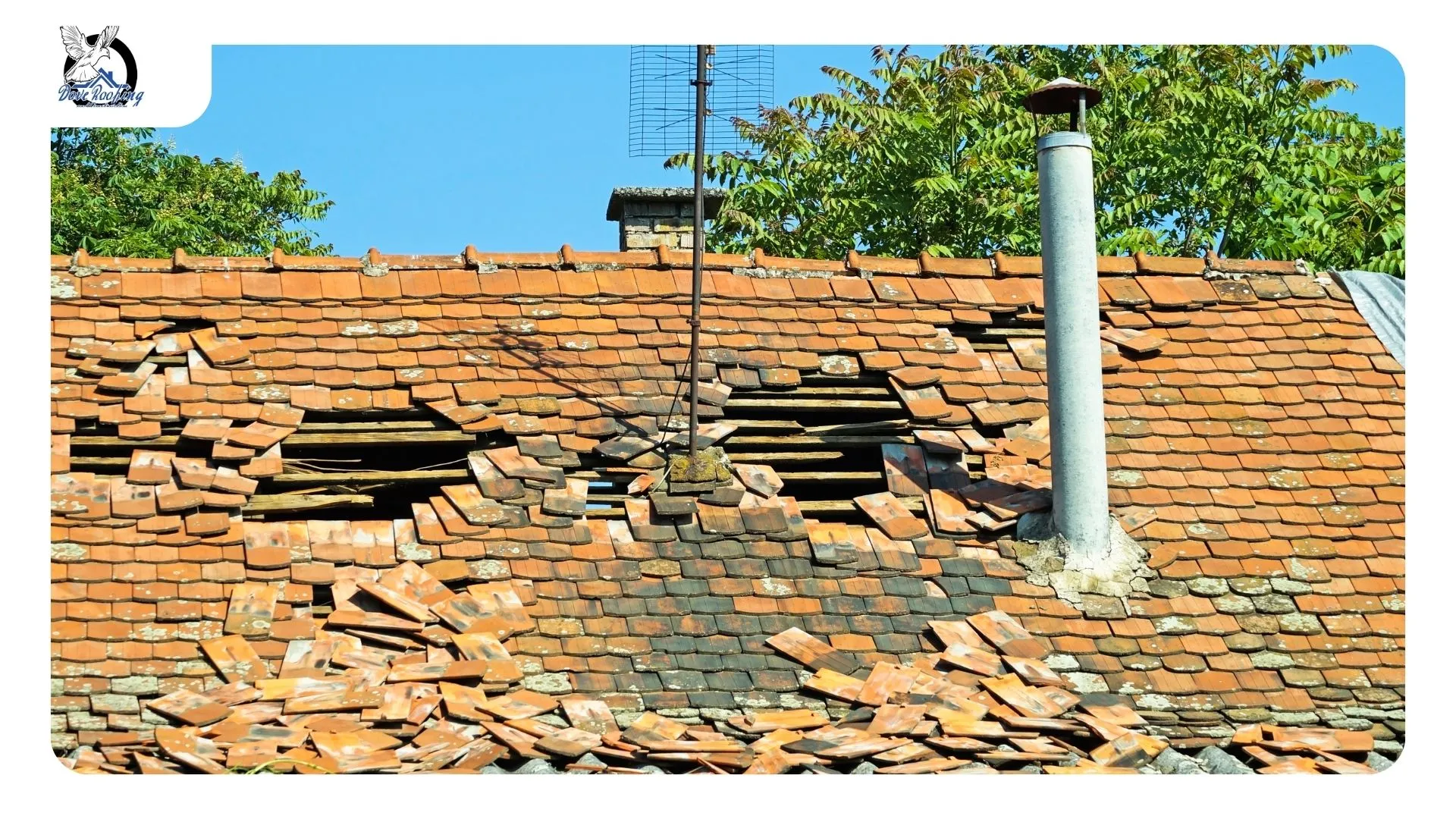
Slipped field tile. Tiles pushed out of course, sitting high, or rotated. Each one is an opening.
Debris strikes. Palm fronds, patio furniture, and gravel carried by gusts crack tile on impact. The crack is often hairline and only shows up as a leak weeks later.
Torn or lifted counterflashing at walls, chimneys, and parapets, where wind gets under an edge and peels it.
Tile in the yard. The obvious one, and it means the roof is open where that tile used to be.
Blocked drains and scuppers after a dust storm, which turns the next rain into ponding on any low-slope section.
What you usually cannot see from the ground is the underlayment. On a tile roof the waterproof layer sits beneath the tile, and wind that displaces tile often tears what is underneath — which is why a roof can look mostly fine and still leak in several places. We cover that in detail in our guide to tile roof repair and underlayment.
Does homeowners insurance cover wind damage in California?
Generally yes, and this is the key difference from sun damage.
Standard homeowners policies cover sudden, accidental losses — windstorm, fire, falling objects. They exclude wear, age, and deterioration. A roof that failed because twenty desert summers degraded it is excluded. A roof that lost ridge caps in a monsoon gust last Tuesday is a covered peril under most policies.
What decides a claim in practice:
Evidence that the damage is sudden and storm-related. Dated photos, the storm date, and a roofer's written assessment distinguishing storm damage from pre-existing wear.
Your deductible. If the repair costs less than the deductible, filing gains you nothing and puts a claim on your record.
Promptness. Delay invites the argument that the damage worsened because you neglected it, and most policies obligate you to take reasonable steps to prevent further loss — which is exactly what an emergency tarp is.
Pre-existing condition. Adjusters look for it. A roof with documented maintenance history is in a far stronger position than one with none.
Policy terms vary and your adjuster's call is specific to your contract, so read your policy or ask your agent. The California Department of Insurance handles complaints if you believe a claim was mishandled. Keep every receipt, including the emergency tarp.
Storm chasers, and what California law gives you
After any significant weather event, out-of-area crews appear in the valley going door to door. Some are legitimate. Many are not, and a few specific protections exist precisely because of them.
Under California law:
A down payment on a home improvement contract cannot exceed $1,000 or 10 percent of the contract price, whichever is less. Anyone demanding half up front is breaking the law, not offering a deal.
You have a three-business-day right to cancel a home improvement contract. If the homeowner is 65 or older, that extends to five business days.
For repairs in a state- or federally-declared disaster zone, the right to cancel extends to seven days.
Written contracts are required for home improvement work of $500 or more in combined labor and materials.
Any salesperson signing you up must be registered with the CSLB, and the contractor must be licensed. Check both at the CSLB license lookup before you sign — it takes a minute and settles the question.
Practical rules: do not let anyone you did not call go up on your roof, do not sign anything on a tablet at your front door, do not hand over your insurance claim paperwork to a contractor to "handle for you," and be wary of an offer to cover your deductible, which is insurance fraud and leaves you exposed. CSLB publishes a plain-language home improvement contract guide worth reading before any storm repair.
Can a damaged roof wait until after monsoon season?
Almost never, and the arithmetic is straightforward.
Monsoon season in the Coachella Valley runs roughly July through September, and storms arrive in sequence. An opening in the roof after the first one is an opening for every one after it. Water that got into the assembly does not dry out between storms in a sealed roof deck — it sits, and it spreads.
The cost curve is steep. A displaced ridge cap is a small repair. The same opening left through two more storms becomes wet underlayment, then wet decking, then insulation and drywall, and at that point you are paying for interior work and possibly mold remediation rather than roofing.
There is also the insurance angle. The longer damage sits unaddressed, the easier it is for an adjuster to attribute the full extent to neglect rather than the storm.
The honest exception: cosmetic damage with no breach in the waterproof layer can wait for a scheduled repair rather than an emergency call. The way to know which situation you are in is to have someone look, and our roof repair service inspection is free either way.
Emergency roof repair in Cathedral City and the valley
We cover Cathedral City including the Cove, Panorama, Century Park, and Dream Homes, and the corridors along Date Palm Drive, Ramon Road, and East Palm Canyon Drive, in ZIP code 92234.
We are based in Palm Springs, minutes up East Palm Canyon, which is why we can reach this side of the valley quickly when a storm opens a roof. We also respond in Palm Springs, Palm Desert, Cathedral City, and Desert Hot Springs.
Dove Roofing and Construction holds California contractor license #871103 (C-39 Roofing). Twice-yearly maintenance before monsoon season — clearing drains, checking ridge caps and flashing — prevents most of what we get emergency-called for. Completed desert work is in our project portfolio.
Frequently asked questions
What should you do first after monsoon damage to a roof?
Photograph everything before anything is moved or repaired, from the ground and inside the house. Contain water with buckets and move valuables. Stay off the roof. Call a licensed roofer for same-day emergency stabilization if the roof is open. Notify your insurer promptly and get a claim number. Keep all damaged material until it has been documented or seen by an adjuster.
How quickly can emergency roof repair happen in Cathedral City?
For an active leak or an open roof, same-day response is the priority — stabilize and tarp first, then schedule the permanent repair once the house is protected. Being based in Palm Springs, minutes from Cathedral City, is what makes that practical. After a valley-wide storm event, demand spikes, so calling early in the day matters.
What does monsoon wind damage look like on a tile roof?
Lifted, crooked, or missing ridge and hip caps along the peaks; field tiles pushed out of course or rotated; cracks from palm fronds and debris carried by gusts; torn or lifted counterflashing at walls and chimneys; tile on the ground; and drains or scuppers blocked by blown sand. Much of the real damage is to the underlayment beneath the tile and is not visible from the ground.
Can a damaged roof safely wait until after monsoon season?
Rarely. Storms arrive in sequence from roughly July through September, so an opening after the first storm is an opening for all the rest. Wet underlayment becomes wet decking, then insulation and drywall, and the repair cost climbs sharply. Delay also makes it easier for an insurer to attribute damage to neglect. Purely cosmetic damage with no breach can wait for a scheduled repair.
Visit or Call Us
Dove Roofing and Construction
Adress:P.O. Box 289 Palm Springs, CA 92263
Phone: (760) 702-7633
Hours: Mon–Sat 7am–7pm · Sun Closed
License: #871103 (C-39)
Serving Cathedral City and the Coachella Valley including Palm Springs, Rancho Mirage, Palm Desert, and Desert Hot Springs.
