Specialized Roofing Systems : Recover or Tear Off?
Which Specialized Roofing Systems Can Go Over an Existing Roof in Rancho Mirage?
Fewer than most people expect. The California Building Code's default for a roof replacement is full tear-off to the deck, and going over the existing roof is the exception rather than the rule. Dove Roofing and Construction works through that decision on properties across Rancho Mirage, CA.
By David Berumen, Owner · Last updated November 2026
What the code actually allows over what
Most articles about roofing systems compare foam, tile, metal and single-ply as if the choice were open. On an existing building it usually is not — the roof you already have narrows the list before anyone discusses preference.
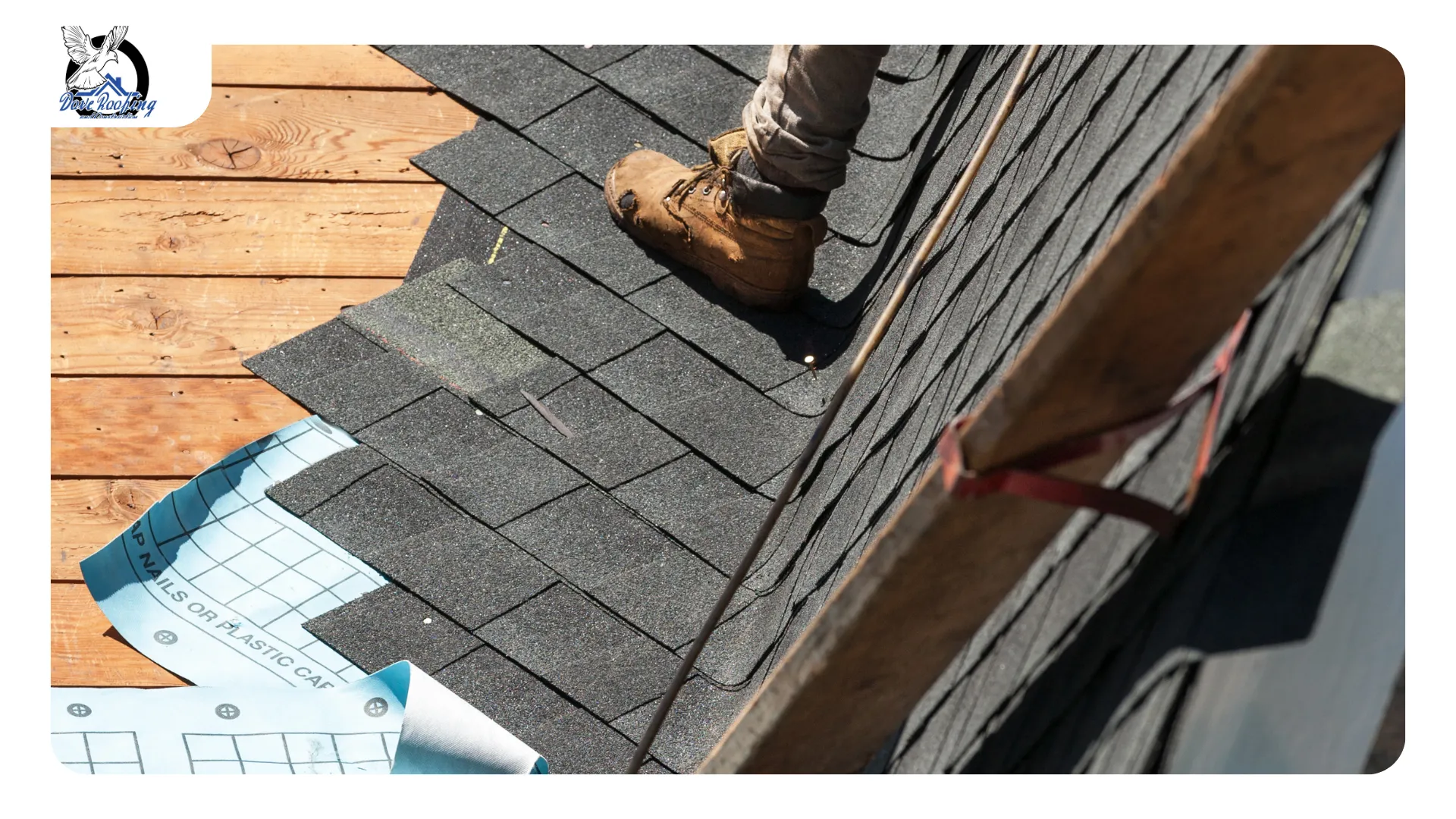
California Building Code §1512 governs reroofing, and §1512.2 sets the default plainly: a roof replacement includes removing all existing layers down to the deck. Everything else is an exception.
§1512.3 then allows a recover — new covering over old — in four situations:
A protective coating over a compatible existing surface. This is the one that applies most often in the Coachella Valley. A coating may go over an existing coating, built-up roof, spray foam, metal panel, metal shingles, mineral-surfaced roll, modified bitumen, or thermoset/thermoplastic single-ply. No tear-off needed. This is what makes the foam recoat cycle work, and it is why a sound foam roof can be renewed rather than replaced.
A self-supporting system that carries its own loads. Standing-seam metal on its own framing qualifies, because it transfers load to the structure rather than relying on what is underneath.
Metal panel, metal shingle, or concrete and clay tile over existing wood shake, under §1512.3.1 — rare here, common in older mountain housing stock.
Any system installed per the manufacturer's approved instructions for that specific recover condition.
What rules out a recover entirely
Three conditions in §1512.3 stop a recover regardless of what the new system is, and two of them come up constantly on desert properties.
The existing roof is water-soaked or deteriorated to the point that it is no longer an adequate base. On a foam roof this is the whole question — foam that has taken on moisture cannot be coated back to health, and covering it traps the problem instead of solving it.
The existing covering is slate, clay, cement or asbestos-cement tile. This matters enormously here, because so much of Rancho Mirage is tile. You cannot recover over a tile roof. Tile comes off.
The roof already carries two or more applications of any roof covering. One existing layer is the ceiling for a recover; a roof that has already been gone over once is at tear-off next time.
That first condition is also why a moisture survey belongs before the decision rather than after. Infrared or core cuts answer whether a recover is legal before anyone prices one.
Can you switch to a different system?
Yes, usually — but the constraint is rarely the new system. It is what the building can carry and what the deck will accept.
Going lighter is straightforward. Tile to foam, or tile to single-ply, removes a large amount of dead load. Tile runs in the region of 900 to 1,000 pounds per square; foam is a small fraction of that. Structurally, that direction is the easy one.
Going heavier needs engineering. Foam or single-ply to concrete or clay tile adds load the framing may never have been designed for, and that calls for structural evaluation before anything is ordered. A house framed in 1968 for a built-up roof is not automatically able to carry tile.
Deck condition decides what is possible. Single-ply wants a flat, sound substrate and usually a cover board. Foam is more forgiving of an irregular deck, which is one reason it suits older valley buildings with decades of patch history.
The edge and the penetrations get rebuilt either way. Changing system type means changing how water leaves the roof and how every curb, parapet and pipe is terminated. That is design work, not a material swap.
Which system suits which building is a separate question with its own answer, and our tile, foam and coating comparison for Rancho Mirage covers lifespans and recoat cycles in full. Our roofing systems overview covers how each handles desert heat. This post is about what the existing roof permits.
What gets replaced even when the roof stays
A recover is not a free pass on the components, and §1512.5 is specific about it.
Rusted, damaged or deteriorated vent flashings, metal edgings, drain outlets, collars and counterflashings may not be reinstalled. Damaged ballast and built-up aggregate surfacing may not be reused. Flashings have to be rebuilt per the manufacturer's instructions, and metal flashing bonded with bituminous materials must be primed first.
On tile work, §1512.4 allows existing slate, clay or cement tile to be reinstalled — but damaged, cracked or broken pieces may not go back on. That is the lift-and-relay job written into code.
This section is worth knowing when you are comparing bids. A quote that is notably cheaper than the others is often cheaper because it reuses flashings and edge metal the code says should be replaced. The roof surface will look identical on handover and will fail at the transitions in five years, which is where desert roofs fail anyway.
One more detail specific to low-slope work: §1512.1 exempts a replacement or recover from the quarter-inch-per-foot minimum slope where the roof provides positive drainage — but existing secondary drains or scuppers may not simply be removed. If they come out, compliant ones go back in.
Which systems need a pitch and which do not
Short answer, since the detail lives elsewhere.
Flat and low-slope only: spray polyurethane foam, single-ply membranes such as TPO and PVC, modified bitumen, built-up roofing, and coatings over any of them. These are designed to be watertight across a plane rather than to shed water down a slope.
Pitch required: concrete and clay tile, asphalt shingle, and most metal shingle profiles. These are water-shedding systems that rely on gravity and overlap, and installing them below their minimum slope voids both the warranty and the waterproofing.
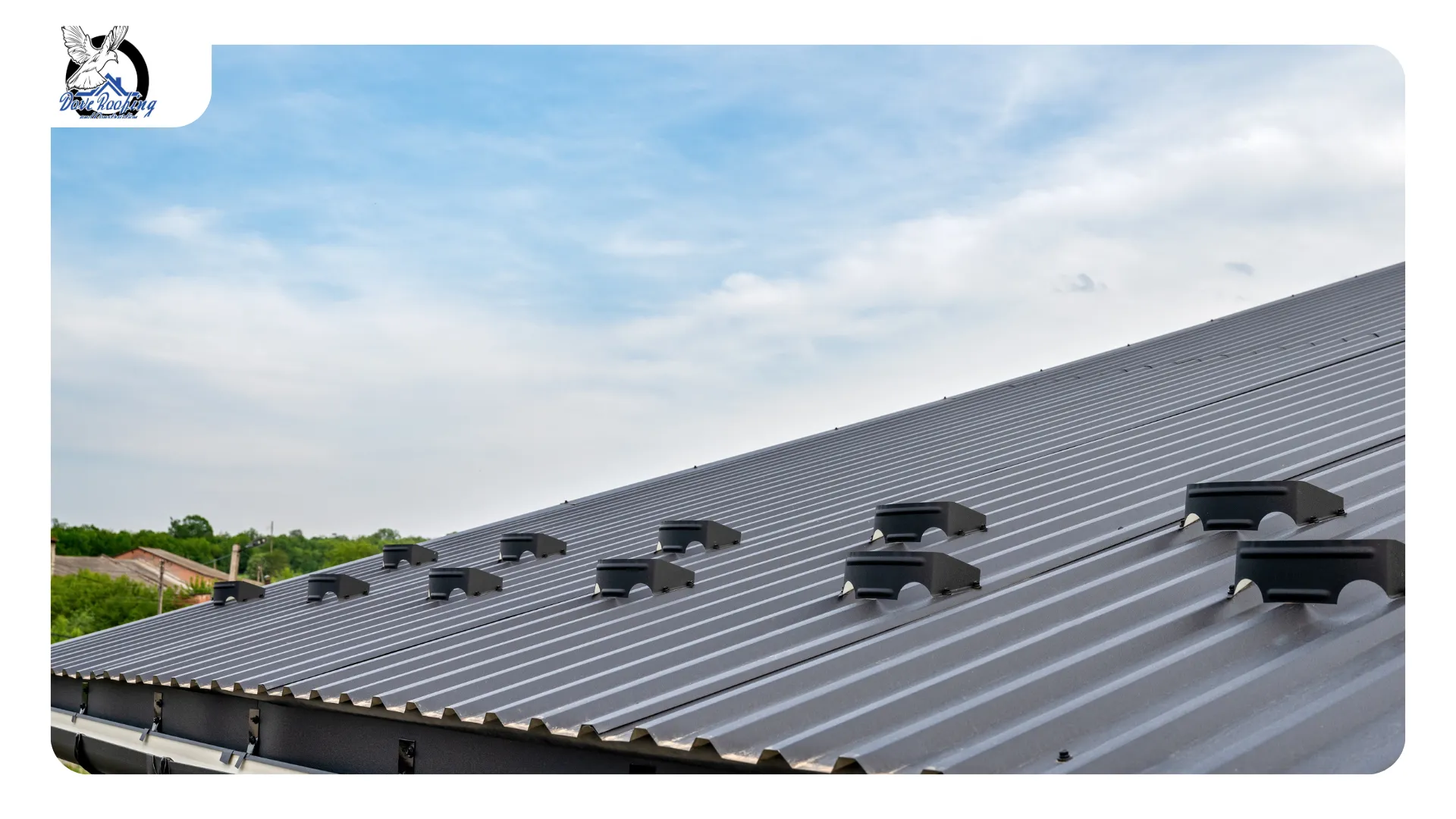
Either, with the right detailing: standing-seam metal, which works down to low slopes when the seams and terminations are specified for it.
Most Rancho Mirage properties are some combination — a low-slope main roof with tile on the visible elevations, or a mid-century plane that is flat throughout. Mixed roofs are normal here, and the two areas often reach the end of their lives at different times. Our specialized roofing systems page covers how each assembly is built, and the roof lifespan by material guide sets out what each gets in this climate.
Where we work around Rancho Mirage
We cover Rancho Mirage along the Highway 111 corridor and the neighbourhoods on either side — Thunderbird Heights, Magnesia Falls Cove, Tamarisk, Mission Hills, Rancho Las Palmas and The Springs — plus Palm Desert, Indian Wells, and Cathedral City. ZIP codes 92270 and 92210.
Permits and inspections for a reroof are covered in our Rancho Mirage re-roofing guide, and current figures are in the roof replacement cost guide.
Being based in Palm Springs means we see every system in the valley across a normal working month, which is where the comparison knowledge comes from. Dove Roofing and Construction holds California contractor license #871103 with the C-39 Roofing classification, verifiable at the CSLB license lookup. Completed work is in our project portfolio.
Foam, tile, metal or single-ply — what decides which one a building gets?
Roof slope first, then what is already there. Flat and low-slope roofs take foam, single-ply, modified bitumen or coatings; tile and shingle need pitch. After that the existing roof narrows it further, because the building code's default is tear-off and a recover is only permitted in specific cases. Preference, appearance and budget decide between whatever options survive those two filters.
Can a coating be put over what is already there, or does it come off first?
A coating can go over a compatible sound surface without tear-off — California Building Code §1512.3 lists existing coatings, built-up roofs, spray foam, metal panel, metal shingles, mineral-surfaced roll, modified bitumen and single-ply among them. It cannot go over a roof that is water-soaked or deteriorated past being an adequate base, over tile, or over a roof already carrying two or more layers.
Which systems suit a flat roof and which need a pitch?
Flat and low-slope: spray foam, single-ply such as TPO and PVC, modified bitumen, built-up, and coatings over any of those. Pitch required: concrete and clay tile, asphalt shingle, and most metal shingle profiles, which shed water by gravity and overlap. Standing-seam metal works either way when the seams and terminations are specified for low slope.
How do the systems compare on lifespan against what they cost to put on?
Cost per year of service is the comparison that matters rather than install price, and the ranking changes once renewal is included — a foam roof that can be recoated two or three times outlasts its nominal rating, while a shingle roof reaches the end and is replaced. Our Rancho Mirage systems comparison sets out the lifespans; what a specific roof costs depends on deck condition, penetrations and access more than on the material.
If the current system is at the end of its life, can a different one replace it?
Usually, with load as the main constraint. Switching to something lighter — tile to foam or single-ply — is straightforward because it removes dead load. Switching to something heavier, such as foam to concrete tile, adds load the framing may not have been designed for and needs structural evaluation first. Either way, drainage, edge metal and every penetration get redesigned, so it is a design decision rather than a material swap.
Visit or Call Us
Dove Roofing and Construction
P.O. Box 289 Palm Springs, CA 92263
Phone: (760) 702-7633
Hours: Mon–Sat 7am–7pm · Sun Closed
License: #871103 (C-39)
Serving Rancho Mirage and surrounding areas including Palm Desert, Indian Wells, Cathedral City, and Palm Springs.
